


Welcome to Our Kitchen: Making Authentic Fufu
Hello friends, Amaya here! Kenji and I are thrilled to share this recipe.
We know making West African food seems hard. Many recipes for fufu look complicated.
But I promise you this version is truly easy.
We want everyone to taste this wonderful staple dish.
This soft, smooth dough is essential for so many great meals.
Learning how to make authentic fufu at home is simpler than you think.
It connects us to new traditions here in New York City.
Get ready for the best homemade fufu!
Why You’ll Love This Easy Fufu Recipe
Honestly, I want you to succeed right away.
This recipe makes preparing fufu stress-free.
You get amazing results every single time.
Here are the best parts about this method:
- It’s incredibly beginner-friendly.
- The texture stays perfectly smooth.
- It’s so fast to prepare.
You’ll be folding your own delicious fufu soon!
Quick Prep Time and Simple Ingredients for Fufu
We kept the ingredient list very short.
You only need flour and water mostly.
The total time is just 20 minutes total.
Prep takes only five minutes, wow!
That is fast for such a satisfying side.
Making this classic fufu dish is a breeze.
Essential Equipment for Perfect Fufu Preparation
You don’t need fancy gadgets for this recipe.
My old wooden spoon works perfectly well.
However, having the right tools helps a lot.
They make the mixing process much easier.
Here is what I always keep ready:
- A sturdy medium saucepan.
- A strong wooden spoon for stirring.
- A whisk for making the initial slurry.
- Measuring cups and spoons.
- A plate for shaping the final dough.
A stand mixer is optional for the final fold.
But manual mixing builds character, don’t you think?
Gathering Ingredients for Your Fufu Dough
Let’s talk about what you need to gather.
The ingredient list is short and sweet.
We use cassava flour for this recipe.
It gives that perfect traditional texture.
You need one cup of flour for four servings.
Two cups of water will hydrate the starch.
A tiny pinch of salt is totally optional.
Do not skip mixing the initial slurry well.
This step prevents any annoying lumps later.
Mix the flour and cold water gently first.
Ensure it looks like thin, smooth milk.
This mixture is key for the final product.

Ingredient Notes and Substitutions for Fufu
Sometimes cassava flour is hard to find.
You can absolutely mix flours for a lighter bite.
Try using half cassava and half plantain flour.
This substitution works very well for fufu.
If your arms tire from stirring hard dough, don’t worry.
My Kenji suggests using a stand mixer sometimes.
Use the dough hook attachment for the last few minutes.
This trick saves your wrist when making fufu dough.
Remember, hot water helps loosen stiff dough fast.
Keep a small kettle nearby just in case.
We want your experience making this fufu to be joyful.
Step-by-Step Instructions: How to Make Fufu
Now for the fun part, friend.
This is where the magic happens on the stove.
First, measure your flour into a medium pan.
Add the water and salt right into the pot.
Mix this really well with a wooden spoon.
You must create a smooth, thin slurry now.
Make sure there are zero lumps remaining there.
Next, put the pan over medium heat carefully.
Stir constantly as the mix starts warming up.
It changes from liquid to a thick paste fast.
Keep stirring vigorously and folding the mixture.
It will suddenly pull away from the sides now.
Once it pulls away, lower the heat down low.
Now, this is the most important part of making fufu.
Stir and fold it for five to seven full minutes.
You are pounding it with your spoon, really.
This action makes the final fufu smooth and springy.

Remove the pan from the heat source quickly.
Scoop the hot dough onto your serving plate.
Wet your clean hands just a little bit.
Shape the dough into nice, round little balls.
Serve your fresh fufu right away with soup.
Achieving the Right Fufu Consistency
How do you know when your work is done?
Watch for the dough pulling away from the pan.
It should look like one single, giant mass.
It should feel smooth, not gritty at all.
The final texture needs to be elastic too.
It should feel strong when you fold it over.
If it feels stiff, add just a touch of hot water.
Keep folding until it feels just right for you.
This smooth texture is the goal for great fufu.
Tips for Making Smooth Fufu Every Time
I have a few secrets for you, my dear cooks.
These tips helped me perfect my technique.
They stop your dough from becoming lumpy messes.
Always start with a cold water slurry.
Hot water cooks the starch too fast initially.
This leads to hard, unmixed clumps of flour.
Take your time during that initial mixing phase.
Whisking until it looks like thin paint is key.
Don’t rush the final folding stage either.
That 5 to 7 minutes of hard work matters so much.
It develops the perfect stretch in your fufu.

If your dough gets too stiff while folding:
- Stop stirring for just a moment.
- Add one tablespoon of hot water carefully.
- Fold it in quickly until incorporated.
- Repeat slowly if necessary.
A little hot water brings back the pliability.
It keeps the final fufu soft and ready to enjoy.
Practice makes perfect, even with this dough.
Soon you will make beautiful fufu balls.
Serving Suggestions: What Pairs Best with Fufu
This dough is truly versatile, you know.
It acts like a wonderful, soft sponge.
It soaks up all the rich flavors of your soup.
In West Africa, we eat this daily with stew.
It’s the perfect base for so many delicious meals.
You must pair it with something flavorful.
Here are my absolute favorite accompaniments:
- Egusi Soup: This seeded soup is a classic pairing.
- Groundnut Soup: The rich peanut flavor is incredible.
- Light Vegetable Stews: Simple greens work wonderfully well.
- Light Pepper Soup: Great for a lighter, spicy meal option.
When you serve it, make a small hollow in the center.
Pour your hot soup right into that little well.
You tear off a piece of the dough to scoop.
It’s a very hands-on, comforting way to eat.
Enjoy the combination of textures and tastes!
Storing and Reheating Your Leftover Fufu
What happens if you have extra dough?
Do not throw away your lovely fufu leftovers.
Storing it correctly keeps the texture nice.
You want to keep that soft quality for later.
Wrap the remaining fufu tightly in plastic wrap.
Place the wrapped dough into an airtight container.
It keeps well in the refrigerator for about three days.
It will get a little firmer as it chills.

Reheating is simple but needs careful technique.
You need to reintroduce moisture back into the dough.
Do not just microwave a hard ball of fufu.
That will make it tough and chewy, sadly.
Here is my favorite reheating method for fufu:
- Cut the leftover fufu into smaller pieces.
- Place the pieces in a small, microwave-safe bowl.
- Add one tablespoon of hot water per cup of dough.
- Cover the bowl loosely with a damp paper towel.
- Microwave in short 30-second bursts.
- Stir well between each burst until warm.
This steaming action softens the dough again.
It brings back that smooth, pliable texture.
You can also steam it gently on the stovetop.
It tastes almost as good as fresh dough.
Saving leftovers makes enjoying fufu easy all week.
Frequently Asked Questions About Fufu
I know you might have some lingering questions.
Cooking techniques often bring up specific thoughts.
I’ve gathered a few common reader inquiries here.
Let’s clear up any confusion about this staple.
What is the difference between cassava and plantain fufu?
Cassava flour makes a slightly denser dough.
Plantain flour yields a slightly sweeter, lighter texture.
Many people mix them for a balanced flavor profile.
Both result in excellent, traditional West African fufu.
It really comes down to what you prefer eating.
Why is my dough so hard and crumbly?
This usually means you didn’t add enough water.
Or, you didn’t mix it enough during the cooking phase.
Remember that final 5 to 7 minute fold is key.
That stirring action develops the necessary elasticity.
Don’t be afraid to fold vigorously for your fufu.
Do I have to use a wooden spoon?
A wooden spoon is traditional and works well.
It handles the high heat and thick dough easily.
If you use a metal spoon, be careful of scratching your pan.
Sturdy is the main requirement for your stirring tool.
Your hand strength matters more than the tool type.
How do I keep the fufu warm while I finish the soup?
The best way is to shape the warm balls quickly.
Place them on a warm serving platter.
Cover the platter loosely with aluminum foil.
This traps enough heat to keep the fufu ready.
Serve the meal immediately for the best experience.
Disclaimer Regarding Nutritional Data
I want to be upfront about the nutrition facts here.
We track our food habits closely, of course.
But these numbers are only rough estimates for you.
The exact nutritional value really changes a lot.
It depends on your exact flour brand used.
Also, the amount of water absorbed varies slightly.
We have provided general data for one serving size.
This is not meant to be professional advice.
If you have strict dietary needs, please check labels.
Use your own preferred ingredients for accuracy.
Cooking is personal, and so are the calorie counts.
Enjoy the taste and comfort of your homemade meal!
Share Your Fufu Experience
Now the cooking is finished, friend.
It’s time for you to enjoy the results!
I truly hope this recipe brought joy.
Did your dough turn out smooth and springy?
Did you serve it with a spicy stew?
Tell me all about your kitchen adventure.
Leave a star rating right below this post.
We love reading about your successes and challenges.
Did you try the plantain mix, perhaps?
Share your photos on social media too!
Tag us so Kenji and I can see your beautiful work.
Happy cooking until we meet again soon!
PrintAmazing 20-Minute Fufu: The Easiest Recipe Ever
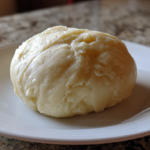
Learn how to make authentic, soft, and smooth West African Fufu using simple steps. This staple dough, traditionally made from cassava or plantain, pairs perfectly with your favorite soups and stews like Egusi or Peanut Soup.
- Prep Time: 5 minutes
- Cook Time: 15 minutes
- Total Time: 20 minutes
- Yield: 4 servings
- Category: Main Dish Side
- Method: Stovetop Cooking and Mixing
- Cuisine: West African
- Diet: Vegetarian
Ingredients
- 1 cup Cassava flour (or finely pounded yam/plantain flour)
- 2 cups Water
- Pinch of Salt (optional)
Instructions
- Measure the flour into a medium saucepan.
- Add the water and salt (if using) to the saucepan. Mix well with a wooden spoon until a smooth, thin slurry forms without lumps.
- Place the saucepan over medium heat. Stir continuously as the mixture begins to thicken.
- Continue stirring vigorously. The mixture will transition from a liquid to a thick paste.
- Once the mixture becomes very thick and starts pulling away from the sides of the pan, reduce the heat to low.
- Stir and fold the dough for another 5 to 7 minutes. You must pound and fold it until it becomes smooth, uniform, and elastic.
- Remove from heat. Scoop the hot fufu onto a serving plate.
- Wet your hands slightly and shape the fufu into smooth balls.
- Serve immediately with a hot soup or stew.
Notes
- For a lighter fufu, you can use a mix of cassava and plantain flour.
- If the fufu feels too stiff, add a small amount of hot water while continuing to fold.
- Use a sturdy wooden spoon or a stand mixer with a dough hook for the final mixing stage if pounding is difficult.
Nutrition
- Serving Size: 1 ball (approx. 1/4 of recipe)
- Calories: 180
- Sugar: 0.5g
- Sodium: 5mg
- Fat: 0.2g
- Saturated Fat: 0.1g
- Unsaturated Fat: 0.1g
- Trans Fat: 0g
- Carbohydrates: 40g
- Fiber: 2g
- Protein: 2g
- Cholesterol: 0mg