

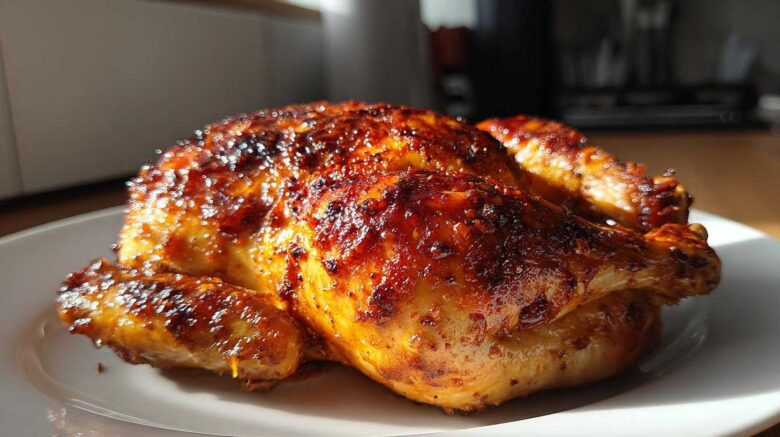
Crafting the Perfect Maple Dijon Roasted Chicken
Oh, friends, get ready for a showstopper! We are talking about that deep, burnished, sticky-sweet skin. I promise you this Maple Dijon Roasted Chicken will deliver that gorgeous, caramelized glaze every single time. It truly transforms a simple roast. When Kenji and I first started cooking together, we looked for ways to make familiar meals feel special. This glaze technique is one of those simple secrets.
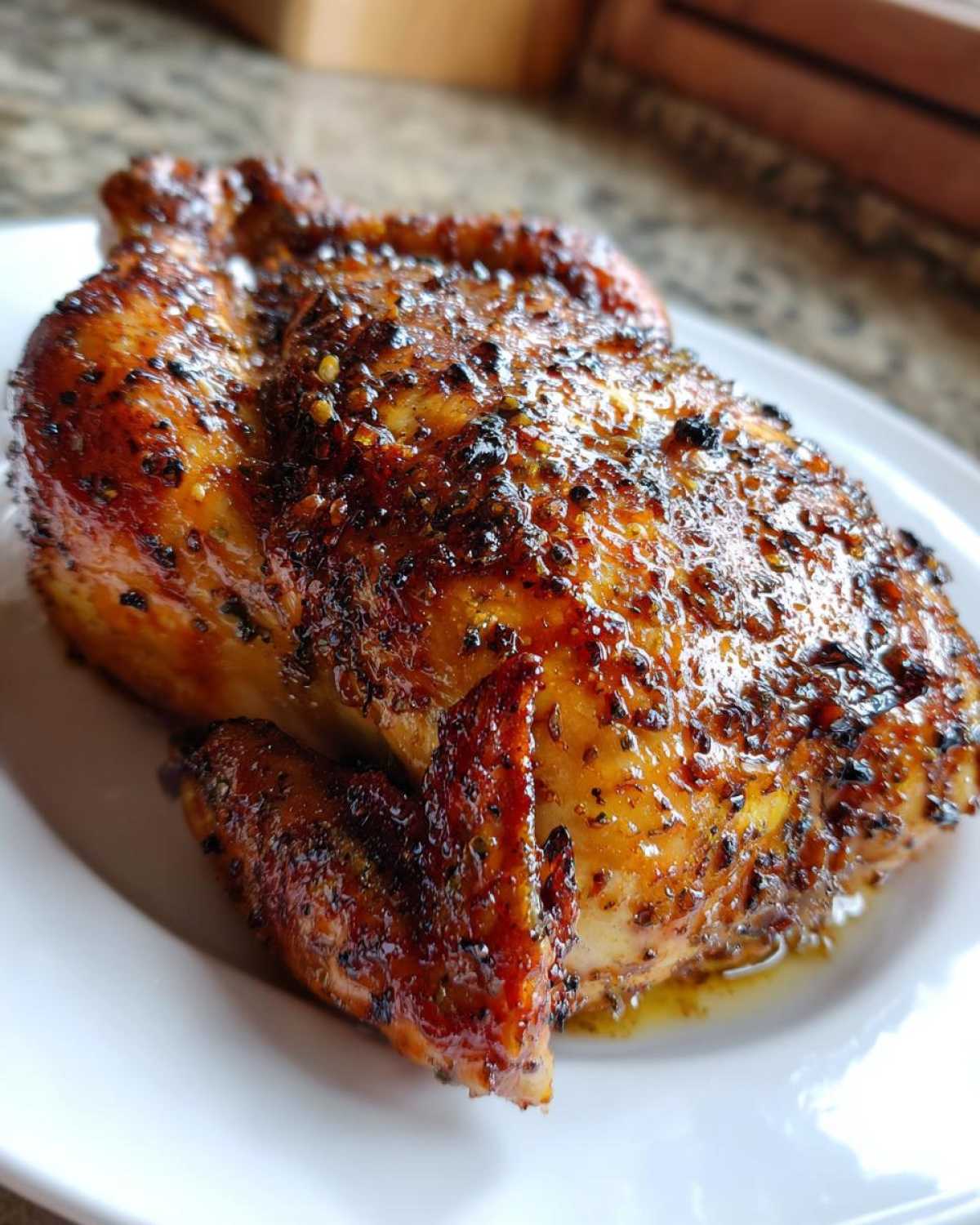
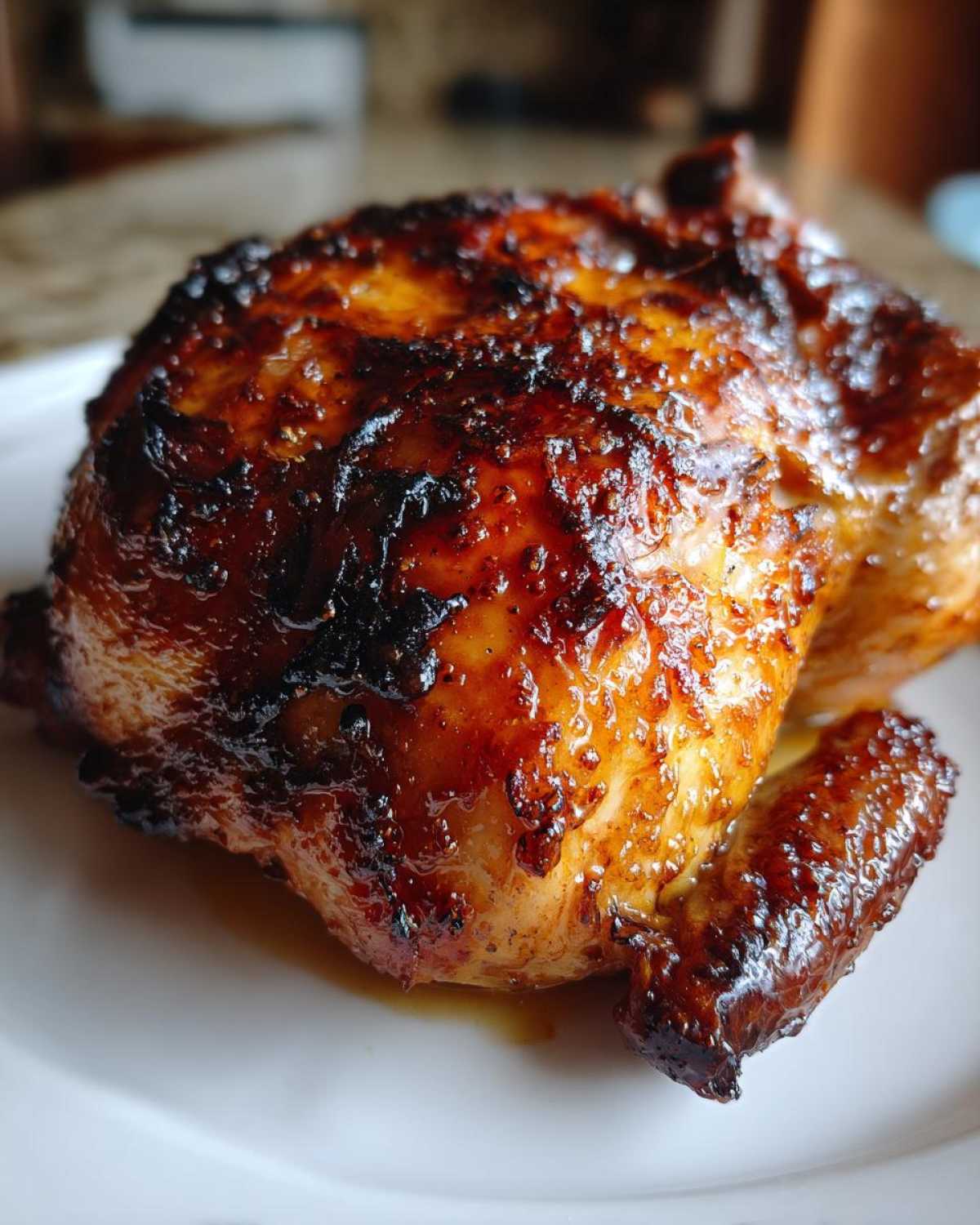
It reminds me a little of the special occasion dishes my mother used to make. They weren’t complicated, but they always looked stunning. This recipe brings that same feeling right to your modern kitchen. It’s comforting yet elegant. You’ll see that beautiful color developing in the oven.
Our Family’s Approach to Simple, Flavorful Roasts
In Kyoto, our family treasured dishes that tasted like home. We didn’t fuss with too many steps. True flavor comes from good ingredients and proper technique. That is why this roast works so well.
We learned that high heat and repeated basting are key. Drying the skin first is non-negotiable, like saying hello before entering a home. This method builds flavor slowly. It lets the maple syrup truly kiss the chicken skin.
Kenji always says a good roast is the backbone of a family dinner. This Maple Dijon Roasted Chicken is now one of our new family staples here in New York. It proves you don’t need fancy gadgets for amazing results. Just trust the process, and you get perfection.
Gathering Ingredients for Maple Dijon Roasted Chicken
Before we even think about preheating the oven, we need our players ready. Getting your ingredients together first makes the whole process smooth. Think of it like setting the stage for a delicious performance. We aren’t using a ton of things here. Simplicity is often the secret sauce, right?
Gathering everything now prevents frantic searching later. Nobody wants to stop mid-whisk! This recipe for Maple Dijon Roasted Chicken relies on finding good quality basics. Let’s look at exactly what you need for that amazing glaze.
Essential Components for Your Maple Dijon Roasted Chicken
Here is the list I keep taped inside my pantry door. Make sure everything is measured out before starting the mixing.
- One whole chicken, aim for about four pounds.
- Dijon mustard, you’ll need 1/4 cup of that sharp stuff.
- Pure maple syrup, 1/4 cup brings the sweetness.
- Olive oil, just two tablespoons will do.
- Apple cider vinegar, one tablespoon adds necessary tang.
- Dried thyme, a teaspoon gives it an earthy note.
- Salt and pepper, 1/2 teaspoon of salt, 1/4 teaspoon of pepper.
- One lemon, cut in half when you’re ready to stuff.
- Four sprigs of fresh rosemary for inside the bird.
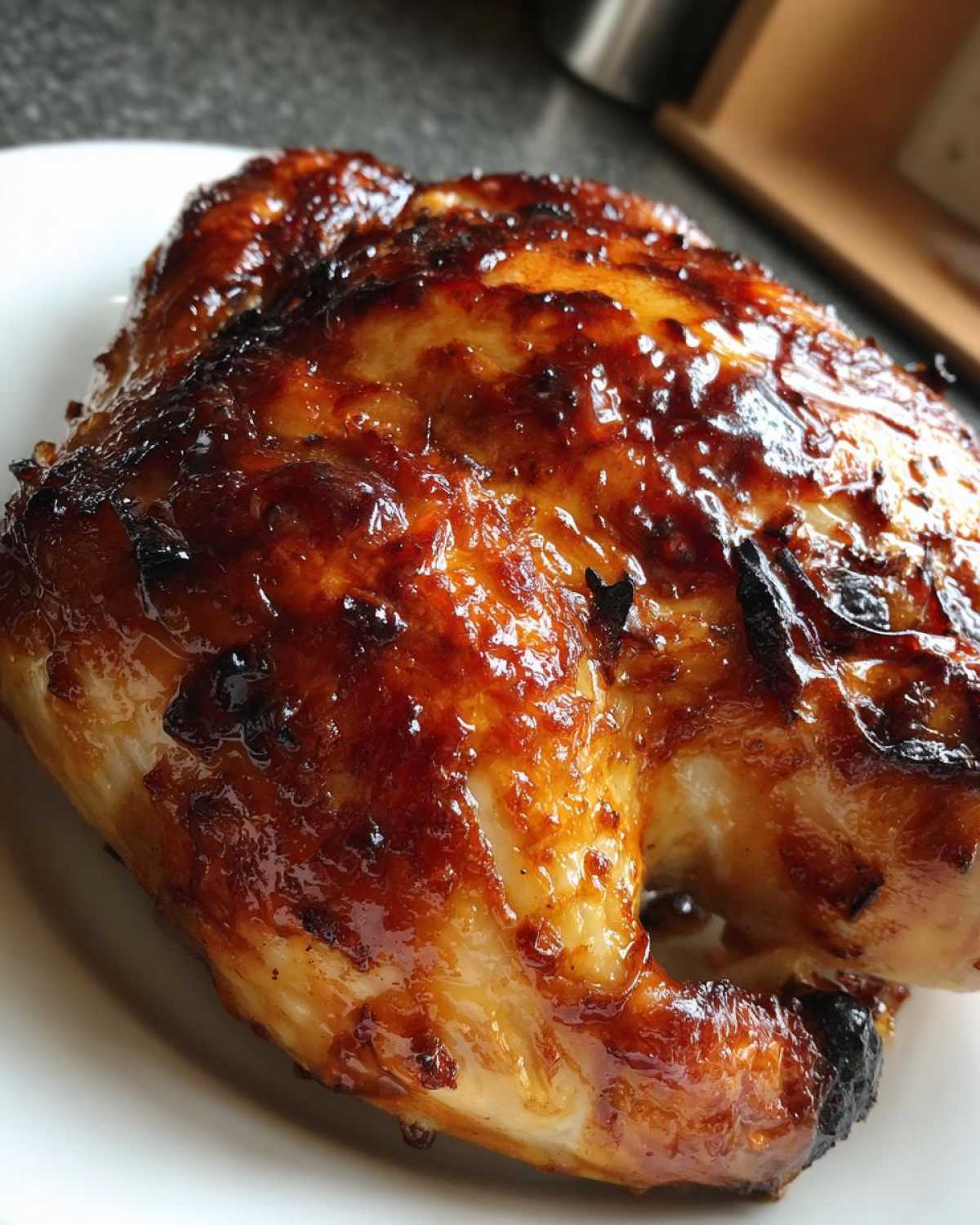
Ingredient Notes and Flavor Adjustments
Sometimes we don’t have everything exactly as written. That’s okay! We adapt; that’s what home cooks do. Don’t worry if you need to swap something small.
For the herbs inside, feel free to try sage or parsley instead of rosemary. My mother loved using fresh sage with chicken. It gives a slightly different, woodsy flavor.
If you run out of apple cider vinegar? You can use white wine vinegar in a pinch. Just be mindful of the flavor shift. Also, make sure you use pure maple syrup. Pancake syrup won’t give you that beautiful, deep color we want.
Remember that note about drying the skin? It’s crucial. Use plenty of paper towels. Wet skin steams; dry skin crisps beautifully under that glaze.
Necessary Equipment for Roasting Your Chicken
Okay, let’s talk tools. You don’t need a professional setup for this. I rely on a few simple items for great roasting. Having these ready makes life much easier. It’s about working smart, not hard, in the kitchen.
Good equipment helps us achieve that perfect, sticky coating. Make sure you have these things on hand before you begin assembling your chicken.
- A reliable roasting pan is a must-have. It catches all those wonderful drips.
- You need a sturdy whisk for mixing up that divine glaze.
- Paper towels feature heavily! They are crucial for drying the skin.
- A good meat thermometer is your very best friend here. Seriously, don’t skip this.
- A small bowl holds your mustard and maple mixture perfectly.
That thermometer gives you peace of mind. Guessing internal temperature is risky business, especially with poultry. I learned that lesson the hard way years ago! A quick poke tells the true story of doneness.
The roasting pan should be large enough. The chicken needs a little room around it. This allows the heat to circulate well. Good air flow equals better, crispier skin all around.
Step-by-Step Instructions for Maple Dijon Roasted Chicken
Now for the fun part! Following these steps closely guarantees success. We are aiming for that deep, sweet, savory crust. Let’s make this Maple Dijon Roasted Chicken shine brightly on your table.
Keep your timing in mind, especially that initial blast of heat. That’s our secret weapon for great texture. Don’t rush the process once it’s in the oven.
Preparing the Chicken and Glaze Mixture
First things first: Preheat your oven to 425\u00b0F. Get that space hot and ready right away. Remove any giblets from the chicken cavity. Seriously, check inside there!
Next, pat the chicken completely dry with paper towels. I mean bone dry, friends. This step is huge for crispy skin. Then, whisk together your glaze ingredients. Mix the Dijon, maple syrup, oil, and vinegar well. Continue whisking until that Maple Dijon Roasted Chicken glaze is totally smooth.
Place the bird in your pan. Brush half of the sticky glaze all over the exterior. Stuff the cavity with the lemon halves and rosemary sprigs now. They perfume the meat from the inside out.
Initial High-Heat Roast for Caramelization
Time to get some color on this bird! Place the prepared chicken into the hot 425\u00b0F oven. Roast it hard for exactly 20 minutes. This high heat kickstarts the magic.
This initial period is key for the caramelized chicken skin we crave. It sets the surface before we lower the temperature. Don’t peek too much during this phase. Let that heat work!
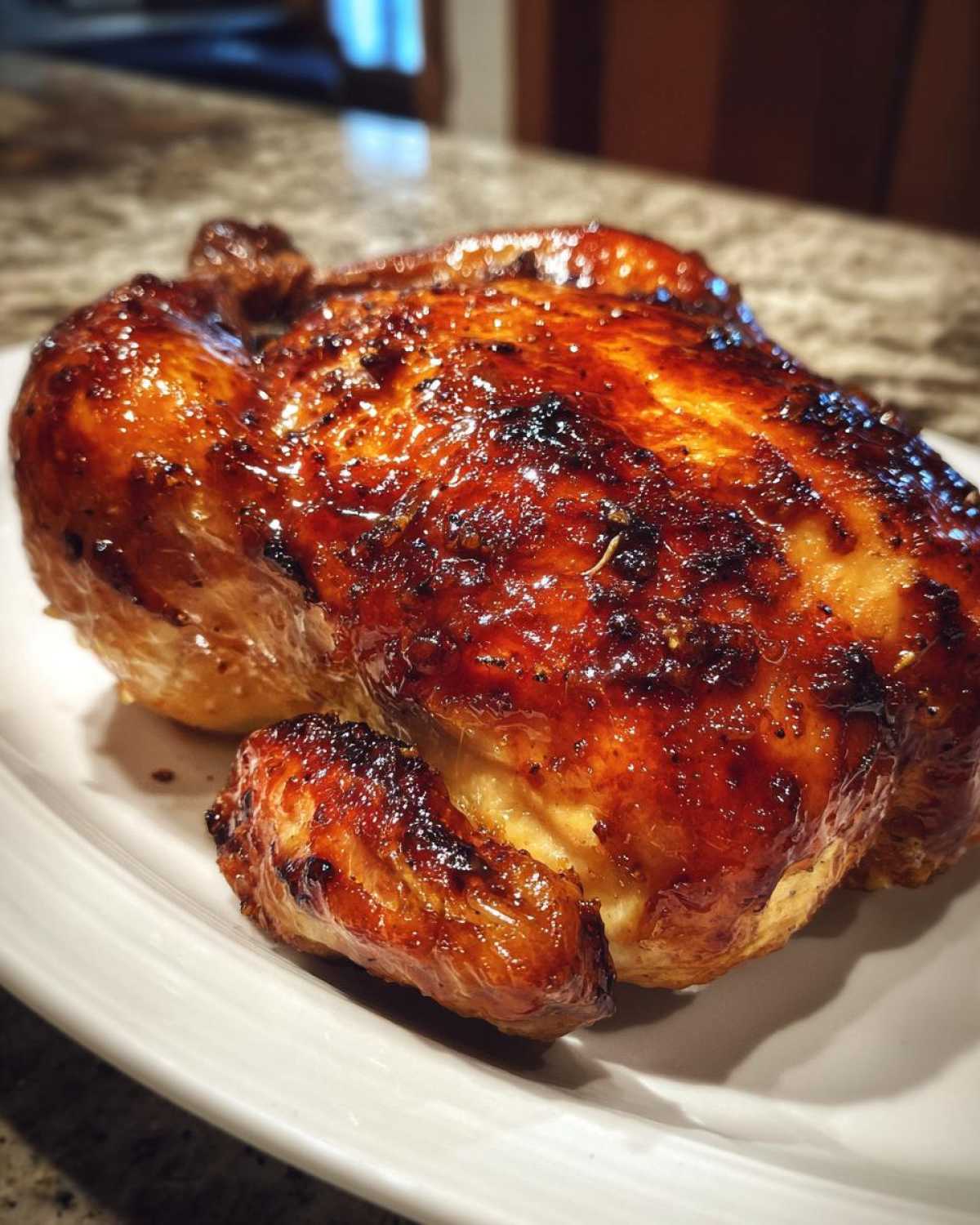
Finishing the Maple Dijon Roasted Chicken
After twenty minutes, drop the oven temperature down to 375\u00b0F. Now we slow things down a bit. Continue roasting for another 50 to 60 minutes easily. Baste the chicken every fifteen minutes.
Use that remaining glaze mixture for basting. This builds layers of sticky flavor. Your Maple Dijon Roasted Chicken is done when the thigh reads 165\u00b0F. Use your thermometer for accuracy.
Resting the Chicken for Maximum Juiciness
This last step is mandatory, not optional! Once it hits temperature, pull the chicken out. Tent it loosely with foil right there on the counter. Let it rest for a solid 10 to 15 minutes.
Why rest? The juices redistribute back into the meat. If you carve too soon, all that moisture runs out. Resting keeps your final dish moist and delicious. Trust me on this waiting game!
Tips for Achieving Perfect Maple Dijon Roasted Chicken Skin
That beautiful, sticky, mahogany-colored skin is what we all dream of, right? Getting that perfect finish on your Maple Dijon Roasted Chicken takes just a few extra considerations. It’s all about managing moisture and heat.
I’ve learned a few tricks over the years. These tips help stop the glaze from scorching too soon. They also help the skin stay crisp, not soggy. Let’s make that skin sing!
- Always pat the chicken skin bone dry first. Moisture is the enemy of crispness.
- Use room temperature ingredients when mixing the glaze. They blend better.
- Brush the glaze on evenly across the whole bird. No bare spots allowed!
- If you see the glaze darkening too fast, stop basting temporarily.
Remember that little foil tent trick? If the surface looks deep brown but the inside needs more time, just loosely drape some foil over the breast. This shields the delicate glaze. It lets the thighs finish cooking safely.
Patience during the second roasting phase is key for the best Maple Dijon Roasted Chicken skin. Basting frequently builds that sticky layer. But don’t drown the skin in liquid near the end. We want baked-on shine, not a sauce bath.
Air circulation matters, too. Do not overcrowd the roasting pan. Give your chicken space to breathe and brown evenly. This simple whole roasted chicken deserves good airflow!
Serving Suggestions for Your Roasted Chicken Dinner
Once that gorgeous bird has rested, what do you serve alongside it? The sweet and savory notes of our roast need companions that balance them out. We want fresh, bright sides. Nothing too heavy should compete with that amazing glaze.
When we first moved here, I noticed how much people love root vegetables. They roast beautifully alongside the chicken, soaking up the drippings. Here are a few simple pairings I love.
- Roasted Brussels Sprouts with a squeeze of fresh lemon.
- Simple mashed sweet potatoes or parsnips.
- A bright, crisp green salad with vinaigrette dressing.
- Steamed green beans tossed with toasted almonds.
The slight bitterness of Brussels sprouts cuts right through the sweetness of the maple. It’s a perfect match, honestly. For a starch, skip heavy cream sauces. Mashed potatoes are fine, but sweet potatoes enhance the glaze flavor.
If you are serving this for a weeknight dinner, keep it super easy. A bag of pre-washed greens works wonders. A little drizzle of good olive oil and salt is all you need. This roasted chicken recipe shines best with simple friends.
Think about texture too. The skin is sticky and tender meat is soft. A crunchy side, like those toasted almonds on the beans, adds needed contrast. Enjoy making your whole dinner plate look as good as the chicken smells!
Storing Leftover Maple Dijon Roasted Chicken
Oh, the joys of leftovers! A perfectly cooked bird means enjoying that Maple Dijon Roasted Chicken again tomorrow. But we must store it right. Nobody likes dry, sad chicken the next day.
Safety comes first, always. Make sure the chicken cools down slightly first. Don’t leave it sitting out for more than two hours total. That’s a kitchen rule I stick to.
Here is how I handle the leftovers for best results:
- Cut the meat off the bones quickly.
- Store the meat in shallow, airtight containers.
- Keep the containers in the refrigerator right away.
- It stays good for about three to four days safely.
Reheating requires a gentle touch. Microwaves can turn poultry rubbery fast. I prefer a low oven for reheating slices of this glazed chicken.
Spread the pieces on a baking sheet. Add just a splash of water or broth underneath. Cover tightly with foil. Heat at 300\u00b0F until warmed through. This steaming effect keeps the meat moist. It helps preserve that wonderful flavor from the original roast.
You can shred the leftover meat too. Use it in big salads or creamy soups later. Just remember to reheat gently every time. Enjoy what’s left of your delicious meal!
Frequently Asked Questions About This Maple Dijon Roasted Chicken
I know you might have a few lingering questions. Cooking a whole bird can feel intimidating sometimes! Don’t worry about that one bit. We’ve all been there, staring into the oven window. Here are some common things readers ask me about this roast.
These little clarifications help ensure your experience is perfect. We want everyone to love this deeply flavored, glazed chicken as much as my family does now.
How do I know if my chicken glaze is burning?
Watch the color closely, especially after the temperature drops. If the glaze looks very dark brown or starts turning black too fast, it’s burning. This usually happens if the maple syrup is reducing too quickly on the surface.
If you see this happening, act fast! Immediately grab some aluminum foil. Loosely tent the breast area of your chicken. This shields the top from direct heat. Then, continue cooking until the internal temperature is right. It saves the beautiful color.
Can I use a different type of mustard or syrup?
You absolutely can play around with ingredients. For the mustard, whole grain mustard works well too. It adds a different texture, though. Stone-ground mustard gives a nice rustic feel to the glaze.
For the syrup, honey is a common substitute for maple. Be warned, honey caramelizes faster than maple syrup. You might need to start lowering the heat sooner. Stick to pure sweeteners. Avoid artificial pancake syrups for this recipe.
What is the best internal temperature for this whole roasted chicken?
This is the most important safety question! You must check the internal temperature. Visual cues are nice, but a thermometer doesn’t lie. We are aiming for 165\u00b0F. Insert it into the thickest part of the thigh. Make sure you avoid touching the bone.
Getting that temperature right ensures safety and juiciness. If you pull it out too early, it’s risky. If you leave it in too long, it dries out. That 165\u00b0F target is perfect for this whole roasted chicken.
Nutritional Estimates for Maple Dijon Roasted Chicken
Now, I know many of you are tracking what you eat. I always try to keep things light when I cook, even with a sweet glaze involved. Food should nourish the body and soul, right?
I looked over the general components of this Maple Dijon Roasted Chicken. These numbers are just good guidelines. Your actual figures will change based on the exact size of your bird. Always remember these are estimates.
Here is a general breakdown based on a six-ounce serving of meat:
- Calories: Around 450 per serving.
- Protein: Very high, about 45 grams.
- Total Fat: Roughly 25 grams.
- Carbohydrates: Quite low, near 7 grams.
- Sugar Content: About 6 grams from the maple syrup.
- Sodium: Generally around 400 milligrams.
This recipe offers fantastic protein for dinner. The fat content comes mostly from the chicken skin, naturally. If you prefer less fat, simply remove some of the skin before eating.
We keep the carbs low because we are focusing on the savory meat and glaze. This makes it a great centerpiece for many different eating styles. Enjoy that delicious, sticky coating guilt-free!
Share Your Maple Dijon Roasted Chicken Experience
Well, that’s it, my dear friends! You now have my family’s best recipe.
I truly hope you love making this roast. Seeing that caramelized skin is such a reward. It makes the whole kitchen smell like heaven, doesn’t it?
Now it’s your turn to step into the kitchen. Tell me how it went for you!
Did you achieve that perfect sticky glaze? Did your family love the flavor combination?
Please leave a star rating right below this section. Your feedback helps Kenji and me immensely. It lets us know which recipes connect with you all.
Don’t be shy about sharing photos online either. Tag us if you post pictures of your finished Maple Dijon Roasted Chicken. We love seeing your beautiful creations.
We are building this community together, one delicious meal at a time. Happy roasting to you all!
PrintAmazing 1 Maple Dijon Roasted Chicken Glaze

Create a Maple Dijon Roasted Chicken that achieves a beautiful, caramelized glaze. This simple recipe brings deep flavor and a gorgeous finish to your dinner table.
- Prep Time: 15 minutes
- Cook Time: 70 minutes
- Total Time: 85 minutes
- Yield: 4 servings
- Category: Main Dish
- Method: Roasting
- Cuisine: American
- Diet: None
Ingredients
- 1 whole chicken (about 4 lbs)
- 1/4 cup Dijon mustard
- 1/4 cup pure maple syrup
- 2 tablespoons olive oil
- 1 tablespoon apple cider vinegar
- 1 teaspoon dried thyme
- 1/2 teaspoon salt
- 1/4 teaspoon black pepper
- 1 lemon, halved
- 4 sprigs fresh rosemary
Instructions
- Preheat your oven to 425°F (220°C). Remove the giblets from the chicken cavity. Pat the chicken completely dry with paper towels.
- In a small bowl, whisk together the Dijon mustard, maple syrup, olive oil, apple cider vinegar, thyme, salt, and pepper until smooth. This is your glaze.
- Place the chicken in a roasting pan. Brush about half of the glaze mixture all over the outside of the chicken.
- Stuff the cavity of the chicken with the lemon halves and rosemary sprigs.
- Roast the chicken for 20 minutes at 425°F (220°C). This high heat helps start the caramelization.
- Reduce the oven temperature to 375°F (190°C). Continue roasting for about 50-60 minutes more, brushing the chicken with the remaining glaze every 15 minutes.
- The chicken is done when a thermometer inserted into the thickest part of the thigh reads 165°F (74°C). The skin should be deeply golden brown and sticky.
- Remove the chicken from the oven. Let it rest for 10 to 15 minutes before carving. This resting time keeps your chicken juicy.
Notes
- Drying the skin well before glazing helps the skin crisp up properly.
- If the glaze starts to burn before the chicken is cooked, loosely tent the breast with foil.
- You can use any fresh herbs you enjoy inside the cavity, like sage or parsley.
Nutrition
- Serving Size: 6 oz cooked meat
- Calories: Approx. 450
- Sugar: Approx. 6g
- Sodium: Approx. 400mg
- Fat: Approx. 25g
- Saturated Fat: Approx. 7g
- Unsaturated Fat: N/A
- Trans Fat: Less than 0.5g
- Carbohydrates: Approx. 7g
- Fiber: Less than 1g
- Protein: Approx. 45g
- Cholesterol: Approx. 150mg