


The smell of hot oil mixed with savory onions—that is the true scent of Hanukkah for me! I swear, the moment that first spoonful of batter hits the hot skillet, my whole house just feels warmer and full of tradition. Listen, whether you call them potato pancakes or the star of the holiday table, we all want the same thing when making potato latkes: that incredible, shatteringly crisp exterior and a soft, steaming center that absolutely screams ‘I just came out of the fryer!’ Forget those soggy, oily disappointments; I’m going to show you the absolute non-negotiable secrets to making latkes that everyone asks for year after year. These aren’t just sides; these are memories on a plate, and we’re making them perfect this year.
Why This Potato Latkes Recipe Delivers Crispy Fried Latkes Perfection
When it comes to Jewish holiday dish tradition, you can’t cut corners, especially when it comes to making your potato latkes recipe shine. We fry these for a reason, honoring that tiny bit of oil that lasted eight days! My version focuses squarely on creating that perfect textural contrast that makes everyone reach for seconds. Trust me, once you nail the drainage process, you won’t look back. We want them golden, flavorful, and light enough that you might forget they were fried! If you love crispy things, you might also adore my tips for crispy fried goat cheese balls—it’s all about that crunch!
- They stay incredibly crispy thanks to a two-step drainage process—yeah, we get serious about squeezing out the water!
- The ratio of egg to flour is calibrated to hold the shape without becoming dense or heavy.
- They have that essential, sharp bite of fresh onion mixed with earthy potatoes.
- We talk about keeping the oil exactly right, which is the number one defense against greasy results.
Honoring Heritage: The Meaning Behind Potato Latkes
Making these Hanukkah potato pancakes isn’t just about eating something yummy; it’s about connecting to history. We fry them because we are commemorating the miracle of the cruse of oil that miraculously lasted for eight days in the Temple. Because frying is tied directly to that story, we must use hot oil! This tradition brings families together every single year, and the sound of that sizzling batter is the soundtrack to the season for so many of us. It feels special, doesn’t it?
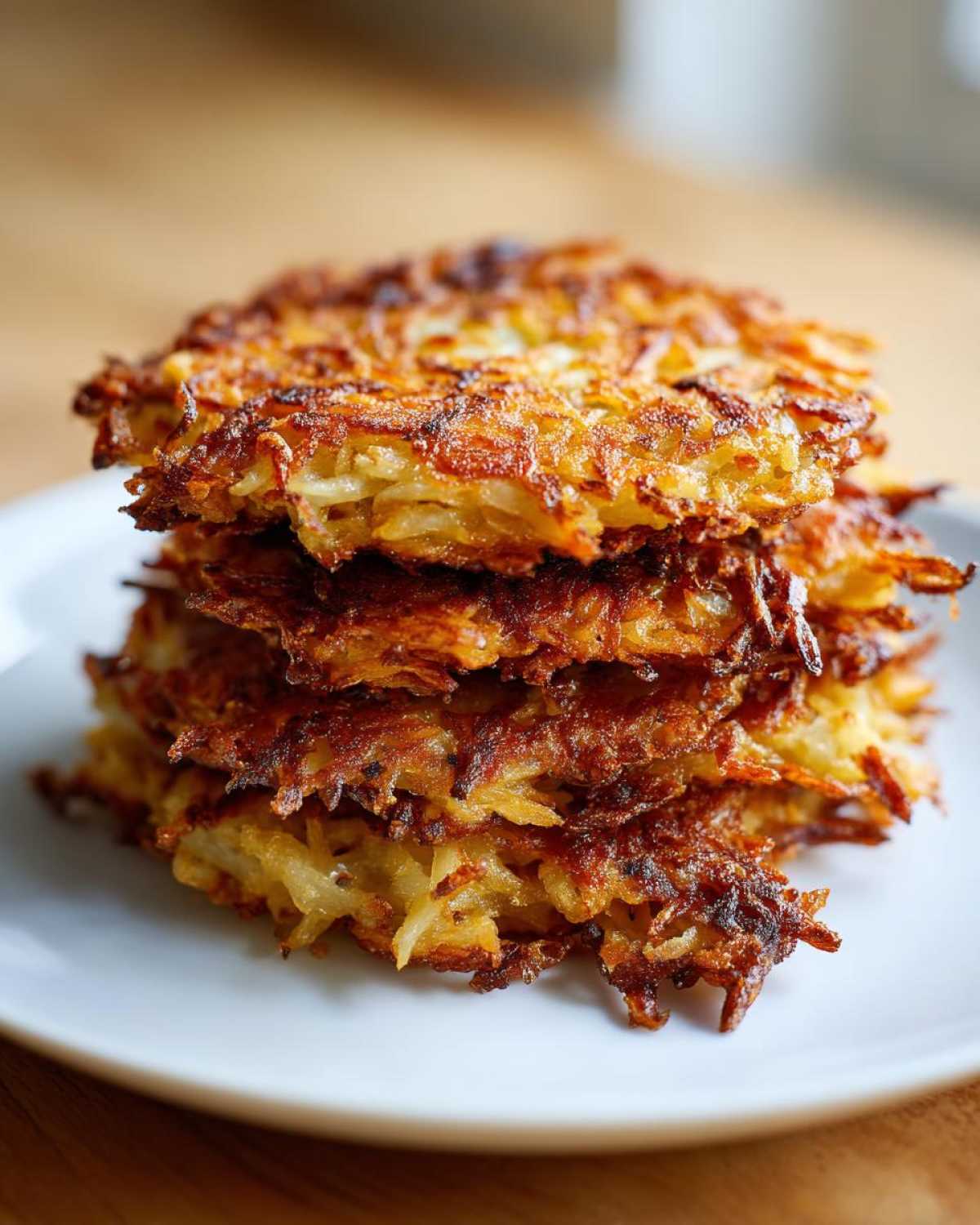
Essential Ingredients for Traditional Potato Latkes Recipe
Okay, let’s talk ingredients because this is where we set the stage for success! For truly stellar potato latkes, precision matters—Grandma always said you can’t improvise when it comes to the foundation. We need potatoes, and for me, only Russets will do because they have that perfect starch content for crisping up. You’ll need about two pounds, and yes, they must be peeled before grating!
Then there’s the onion. Don’t skip it! Even a single medium yellow onion adds that crucial savory depth. We bind it all together with two average-sized eggs, and this is important: you need just a tiny bit of binder. I use about 1/4 cup of either all-purpose flour or, if I’m leaning into tradition, matzo meal. Don’t be shy with the salt and pepper either—seasoning is hiding in plain sight when you fry!
- 2 lbs Russet potatoes, peeled
- 1 medium yellow onion, peeled
- 2 large eggs, very lightly beaten
- 1/4 cup all-purpose flour or matzo meal (exact measurement is key!)
- 1 teaspoon salt
- 1/4 teaspoon black pepper
- Plenty of vegetable or canola oil, for frying (don’t skimp here, folks!)
Expert Tips for Making Crispy Fried Latkes
Okay, this is the part where we transform grated potato mush into golden, magnificent structures! If you just mix everything and dump it in the pan, you’re going to end up with oil-logged pancakes, and we simply can’t have that. We are cooking these to honor tradition, which means they have to be the best! My biggest game-changer was realizing that almost 80 percent of the success comes before the batter even sees the heat. Seriously, if you want that amazing crispness, follow these steps religiously. If you are looking for other crispy applications, check out my guide for crispy oven-roasted breakfast potatoes—the method is similar!
The Secret to Dry Potato Latkes Mixture
You must squeeze out every possible drop of water after grating the potatoes and onion. I grab a sturdy kitchen towel, wrap the mixture up like a little potato burrito, and twist until my arms hurt! Why? Because water turns into steam when it hits the oil, and that steam pushes the oil *into* the potato instead of letting the starch crisp up. Super wet mash means soggy potato latkes, period. Squeeze hard!
Oil Temperature Control for Golden Potato Latkes
This is truly the make-or-break moment. Get yourself a thermometer—please! If your oil is too cool, the latkes sit around absorbing fat for too long and get greasy. We need that beautiful, immediate sizzle! I aim for the sweet spot right between 325°F and 350°F (175°C). If the oil drops too low when you add the batter, just quickly raise the heat until it comes back up. That consistent, hot environment is what locks in the crunch.

Step-by-Step Instructions for Perfect Potato Latkes
Alright, grab your box grater or your food processor—it’s go time! Remember all that squeezing we talked about? That happens first. Once you’ve handled the moisture, we can move on to the fun part: mixing and frying! I find it helpful to have everything else ready to go, including the toppings, because these babies need to be eaten the second they come out of the oil. Seriously, a hot latke waits for no one! Once you master the technique here, you’ll be a pro, much like making a fantastic crispy rice salad where texture is everything.
- First things first: grate up those potatoes and that onion using the coarse side of your box grater—or pulse them in your food processor if you’re feeling lazy!
- Now, squeeze! Take all that grated goodness and put it into a clean kitchen towel or cheesecloth. Wring out every last drop of liquid. I mean it, twist until your hands are strong enough to crush walnuts!
- Transfer that now dry potato and onion mixture into a medium-sized bowl. It should look fluffy, not wet.
- Gently fold in your lightly beaten eggs, followed by that quarter cup of flour or matzo meal, salt, and pepper. Mix it super gently—we just want it combined. If you overmix now, you start developing that gummy texture, and we totally want to avoid that!
- While you mixed, you should have started heating about an inch of oil in a big, heavy-bottomed skillet over medium-high heat. You want it hot, around 350°F if you have a thermometer handy.
- Carefully drop heaping tablespoonfuls of the potato mixture right into that hot oil. Use the back of your spoon to press them down slightly so they look like true little pancakes, not little messy clumps. Don’t crowd your pan, or the oil temperature will crash instantly!
- Let them fry hard for about 3 to 5 minutes on that first side until they are gloriously deep golden brown. Then, flip them gently and cook the other side until they match!
- When they are perfectly crispy, scoop them out and place them immediately on a wire rack that you’ve set over a baking sheet lined with paper towels. The rack is important; it lets air circulate so the bottoms stay crisp while draining the excess oil.
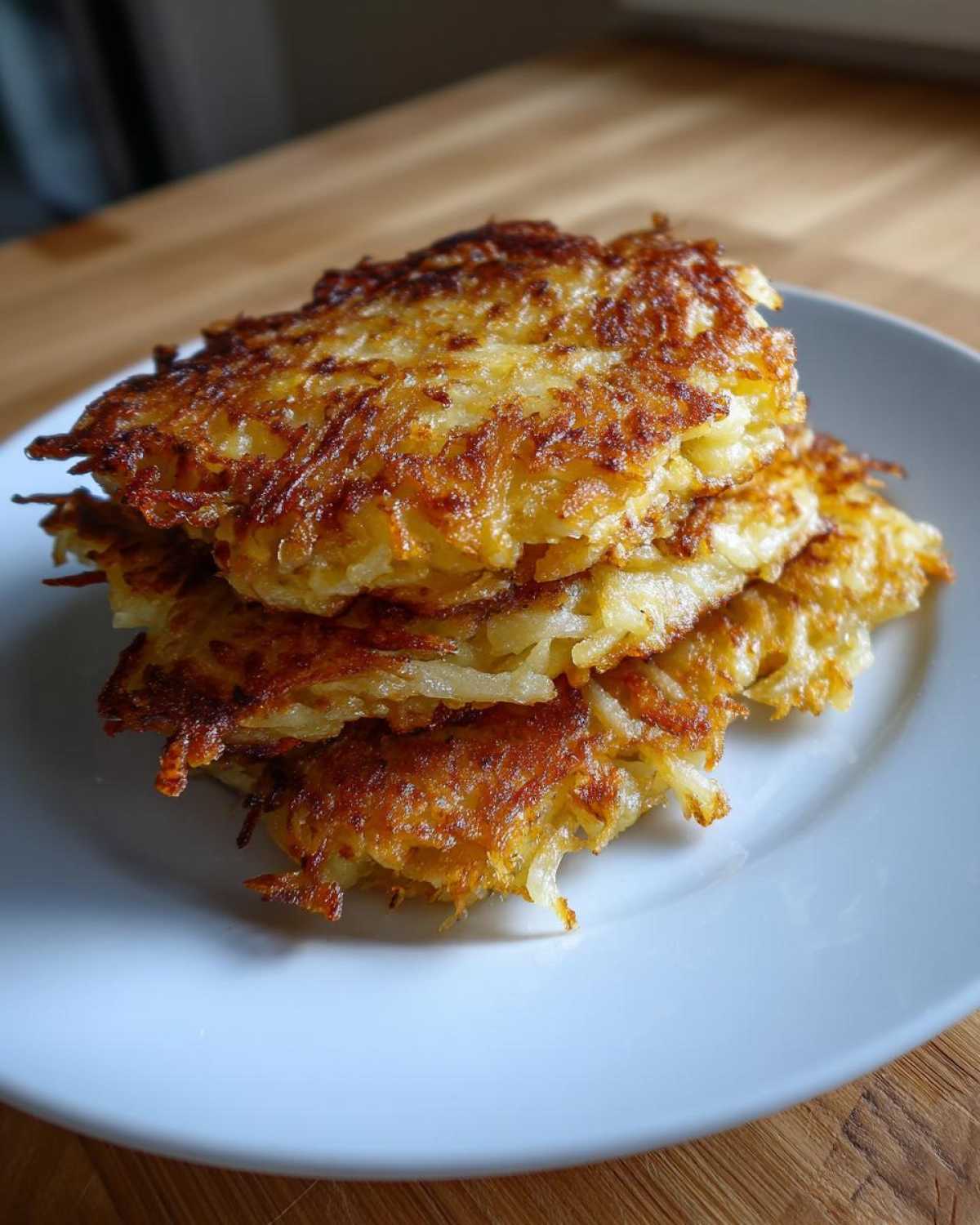
Serving Suggestions for Your Hanukkah Potato Pancakes
There is absolutely no point in making the best, crispiest potato latkes if you don’t serve them right! For me, the whole experience hinges on the toppings. You have to go traditional here—it’s mandatory! We always have a big bowl of cool, fluffy sour cream right next to a bowl of tart applesauce. My family fights over who gets the last bite dipped in both at the same time.
If you want to elevate them slightly, try making some homemade applesauce; it tastes so much brighter than the jarred stuff! You can find my simple stovetop method for that here: easy homemade stovetop applesauce. Enjoy these incredible Hanukkah potato pancakes while they are piping hot!
Storage and Reheating: Keeping Potato Latkes Fresh
So, maybe you made a massive batch (because you should always make massive batches of potato latkes!), and now you have leftovers. Don’t panic! Putting them straight into plastic storage will turn them into sad, steamed sponges, and we worked too hard for that. The first rule for storage is ensuring they drained completely on that wire rack first. If you have any leftovers, the best way to save them is airtight, but only after they have cooled completely.
Now, reheating is where the magic happens again. Never—and I mean *never*—try to revive crispy fried latkes in the microwave. That’s a recipe for disaster! The oven or, even better, your air fryer are your allies. A quick ten minutes in a moderate oven (around 350°F) allows the residual heat to crisp them back up nicely. Or, if you have an air fryer, toss them in there for about five minutes! They come out nearly as good as fresh. It’s almost as satisfying as getting crispy wings, which you can check out my method for crispy air fryer chicken wings if you need another crunchy fix!
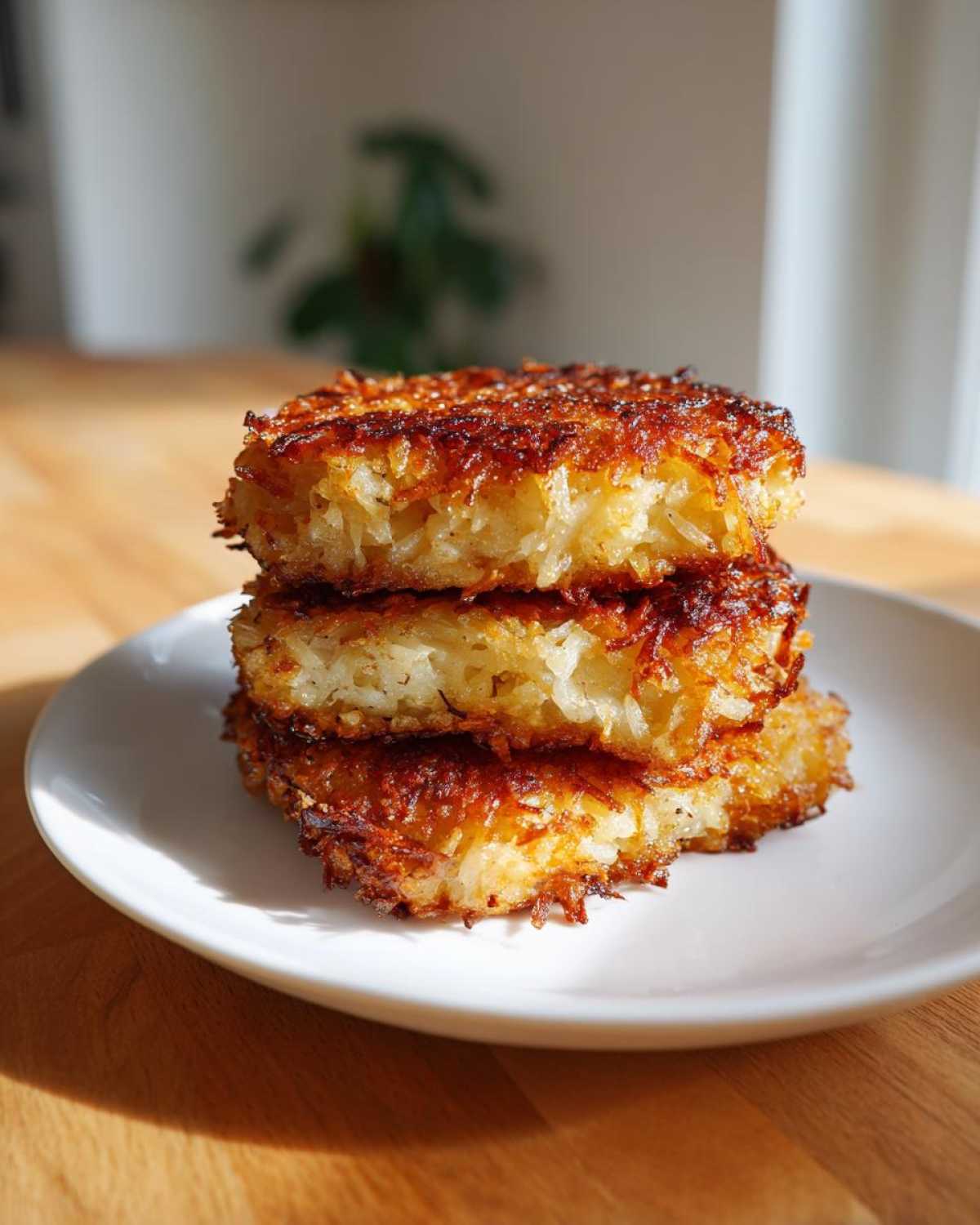
Frequently Asked Questions About Potato Latkes Recipe
I get so many messages after Hanukkah about how people’s potato latkes recipe turned out! These are the questions I hear most often when folks are trying to make this classic Jewish holiday dish shine for the first time. If you’ve got a burning question, chances are it’s answered right here before you even start grating!
Can I bake potato latkes instead of frying them?
Oh, I know the temptation is there, especially if you’re trying to cut down on oil, but I have to be honest: No, you absolutely can’t bake them and get that authentic flavor and texture. Baking steams the potato mixture instead of crisping it. You’ll end up with something closer to a soft potato cake, not a genuinely crispy latke. Frying is the key to honoring the tradition, so stick to the oil for that perfect crunch!
What is the absolute best potato to use for latkes?
Hands down, Russets are my favorite potatoes for this recipe. They have the highest starch content and the lowest moisture—well, the least *unnecessary* moisture. That starch is what crisps up beautifully when it hits the hot oil. Yukon Golds are a close second, but they tend to be a bit creamier, which can make the final product slightly softer. If you’re wondering about other potato preparations, you might want to look at my recipe for twice-baked potatoes—different process, same dedication to the tuber!
Can I prepare the potato and onion mixture ahead of time?
This is tricky! You can grate the potatoes and onion, but you *must* get them squeezed dry almost immediately. If they sit for even an hour, they start oxidizing and turning gray, which ruins the look of the final dish. If you must prep early, grate them, squeeze them bone dry, and then mix in the egg and flour *right* before you start frying. If you mix the eggs in too early, the mixture gets watery fast.
How do I keep finished latkes from getting greasy?
If you followed the steps about squeezing the liquid out and keeping your oil temperature between 325°F and 350°F, you should be in great shape! The most critical step after frying is putting them on a wire rack set over a baking sheet. If you just put them on paper towels directly in a pile, the bottoms steam and get soft. The rack lets that excess oil drip away cleanly, which means your **potato latkes recipe** stays satisfyingly crisp!
Ingredient Notes and Substitutions for Potato Latkes
I get asked all the time about swapping ingredients, especially since not everyone has Russets sitting around. For integrity in your potato latkes, I strongly suggest sticking to high-starch potatoes like Russets. If you insist on Yukon Gold, just know they’ll be a little creamier inside, which isn’t bad, just different!
For the binder—flour versus matzo meal—it’s up to you and your traditions! Matzo meal gives a slightly earthier, perhaps more traditional crunch, especially if you’re focusing on kosher preparation. Flour is a bit lighter. Either way, keep that measurement exactly at 1/4 cup. Any more and you risk losing that fresh potato flavor!
Sharing Your Crispy Fried Latkes Experience
Okay, I’ve spilled all my secrets—from the aggressive squeezing to the perfect oil temperature—for getting those perfectly potato latkes everyone dreams about. Now that you’ve made your first batch of beautiful, golden, and blessedly crispy fried deliciousness, I genuinely want to hear about it!
Did the squeezing method finally give you the crunch you’ve been chasing? Did your family rave about the simple, authentic flavor? Don’t keep the success stories to yourself! Head on over to the comments below and tell me everything!
Seriously, it makes my entire day when I hear from readers who made this recipe and brought a little bit of that Hanukkah joy into their own kitchens. Did you serve them with sweet applesauce or creamy sour cream first? Let me know!
If you loved this recipe enough to share it with your immediate family, please consider giving it a star rating right at the top of the page! And if you’re looking for more easy-to-follow inspiration for your holiday table or just everyday cooking, poke around my full recipe blog!
PrintCrispy Potato Latkes Recipe

A traditional recipe for making crispy potato latkes, perfect for Hanukkah celebrations.
- Prep Time: 20 min
- Cook Time: 25 min
- Total Time: 45 min
- Yield: About 18 latkes
- Category: Side Dish
- Method: Frying
- Cuisine: Jewish
- Diet: Vegetarian
Ingredients
- 2 lbs Russet potatoes, peeled
- 1 medium yellow onion, peeled
- 2 large eggs, lightly beaten
- 1/4 cup all-purpose flour or matzo meal
- 1 teaspoon salt
- 1/4 teaspoon black pepper
- Vegetable oil or canola oil, for frying
Instructions
- Grate the potatoes and onion using the coarse side of a box grater or a food processor.
- Place the grated potato and onion mixture into a clean kitchen towel or several layers of cheesecloth. Wrap tightly and squeeze out as much liquid as possible. This step is key for crispiness.
- Transfer the dried potato and onion mixture to a medium bowl.
- Add the beaten eggs, flour or matzo meal, salt, and pepper. Mix gently until just combined. Do not overmix.
- Pour about 1 inch of oil into a large, heavy-bottomed skillet and heat over medium-high heat until the oil reaches 350°F (175°C).
- Carefully drop heaping tablespoons of the potato mixture into the hot oil, flattening them slightly with the back of the spoon to form pancakes. Do not overcrowd the pan.
- Fry for 3 to 5 minutes per side, until golden brown and crisp. Adjust heat as needed to maintain oil temperature.
- Remove latkes from the oil and place them on a wire rack set over a baking sheet lined with paper towels to drain excess oil.
- Serve immediately with applesauce and sour cream.
Notes
- For extra crispiness, chill the grated potato mixture for 15 minutes after squeezing out the liquid before mixing in the eggs and flour.
- Maintain the oil temperature between 325°F and 350°F for the best results. If the oil is too cool, the latkes will be greasy.
- Keep the finished latkes warm in a single layer on a baking sheet in a 200°F oven while you fry the remaining batches.
Nutrition
- Serving Size: 1 latke
- Calories: 110
- Sugar: 0.5
- Sodium: 150
- Fat: 6
- Saturated Fat: 1
- Unsaturated Fat: 5
- Trans Fat: 0
- Carbohydrates: 12
- Fiber: 1
- Protein: 2
- Cholesterol: 30