

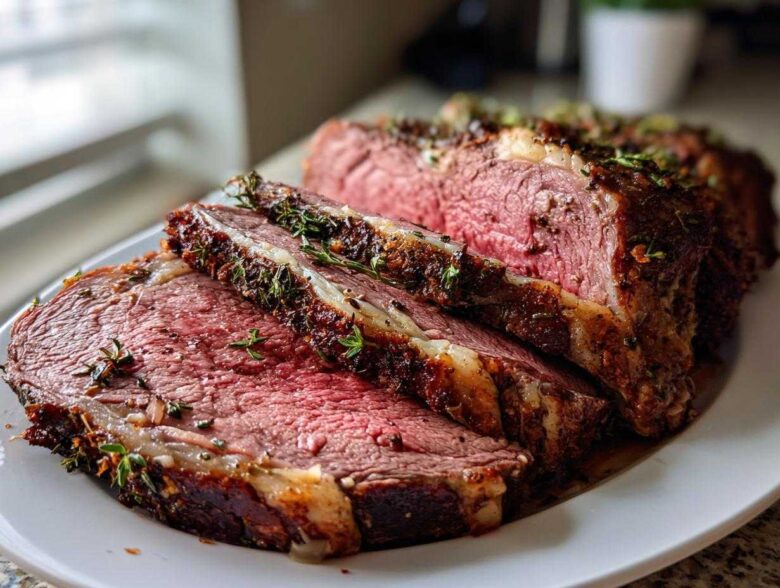
When it comes to the holidays, you need a main course that stops everyone in their tracks, right? For me, nothing beats a massive, beautiful prime rib sitting right in the center of the table. I used to panic every Christmas worrying about dry edges and undercooked centers. Seriously! But I finally nailed down this foolproof, oven-roasted prime rib recipe that delivers that incredible, melt-in-your-mouth roast every single time without fail. I’ve used this exact prime rib recipe for Thanksgiving, Christmas Eve, you name it, and everyone asks for the secret. Well, I’m sharing it now: it’s all about a quick crust blast and trusting your meat thermometer. Forget the guesswork; this is how you make a spectacular, juicy beef roast dinner.
Why This Prime Rib Recipe Delivers a Perfect Roast Every Time
You want juicy, right? I totally get it. This prime rib recipe is my go-to because it’s a true no-fail roast recipe that prioritizes texture above all else. The magic isn’t complicated at all; it’s just two different temperatures in the oven. That initial blast of high heat is what creates the incredible crust you usually only get at fancy steakhouses. The reward is a wonderfully tender beef roast that never ends up gray halfway through.
Achieving the Ultimate Juicy Beef Roast Recipe
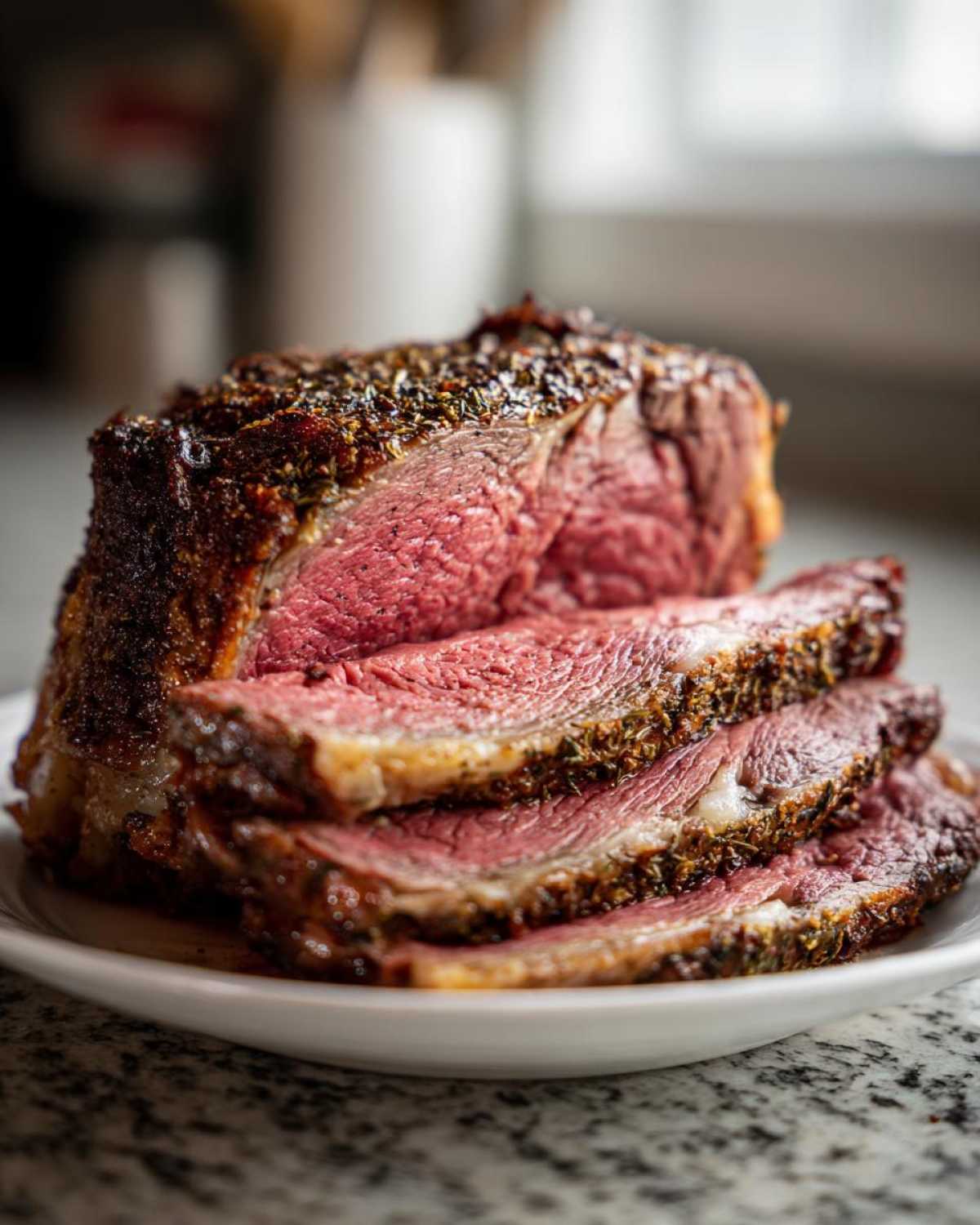
The single most important thing for a truly juicy beef roast recipe is tempering the meat! You absolutely must take that hunk of beef out of the fridge about three hours before you plan to cook it. If you try to sear it cold, the outside burns before the middle even warms up. Letting it sit lets the internal temperature even out. Trust me, skipping this step is why so many people end up with uneven cooking. It’s just good science, really!
The Herb Crusted Prime Rib Technique
The crust is what makes this a restaurant-style prime rib experience, and it’s surprisingly simple. We coat the whole thing in oil first, which acts like the glue for our powerhouse of herbs and salt. When that initial high heat hits the roast, that herb barrier crisps up instantly, locking all the wonderful steam and juice inside the meat. That’s the golden ticket for maximum flavor!
Ingredients for Your Classic Prime Rib Recipe
Okay, ingredient gathering time! For this classic prime rib recipe, you don’t need a million fancy things, just good quality components handled correctly. You’ll need a bone-in prime rib roast, about five to seven pounds. Then, for the rub, grab coarse kosher salt—this is important for texture—black pepper, garlic powder, onion powder, dried thyme, and dried rosemary. Don’t forget the olive oil to slick it all down, and you must mince about four cloves of fresh garlic. Keep those measurements generous; we are seasoning a huge cut of meat here!
Ingredient Notes and Substitutions for Prime Rib Recipe
My recipe calls for bone-in because I swear the bones help insulate the meat and keep it unbelievably tender, making it a much better holiday roast dinner centerpiece. If you buy boneless, just know you need to shave off about 15 minutes of cooking time per pound. And seriously, use coarse kosher salt; table salt is too fine and makes things taste way too salty! When you buy your roast, always ask your butcher for the best well-marbled cut—that fat is flavor, folks.
Easy Prime Rib Instructions: Oven Roasted Prime Rib Method
I promised you easy, and I deliver! These easy prime rib instructions mean you can focus on making your sides because the roast is practically hands-off once it’s in the oven. Remember that aggressive 450-degree sear? It happens first, for just 15 minutes, and that’s how we build that signature crust fast. After that, we ease up the heat and let patience do the heavy lifting until we hit that perfect internal temperature. But honestly, the most important step isn’t cooking—it’s the resting period. Don’t you dare slice into it before that 20 to 30 minutes is up, or all that incredible juice will run right onto your cutting board!
Prepping the Roast for the Best Prime Rib Recipe
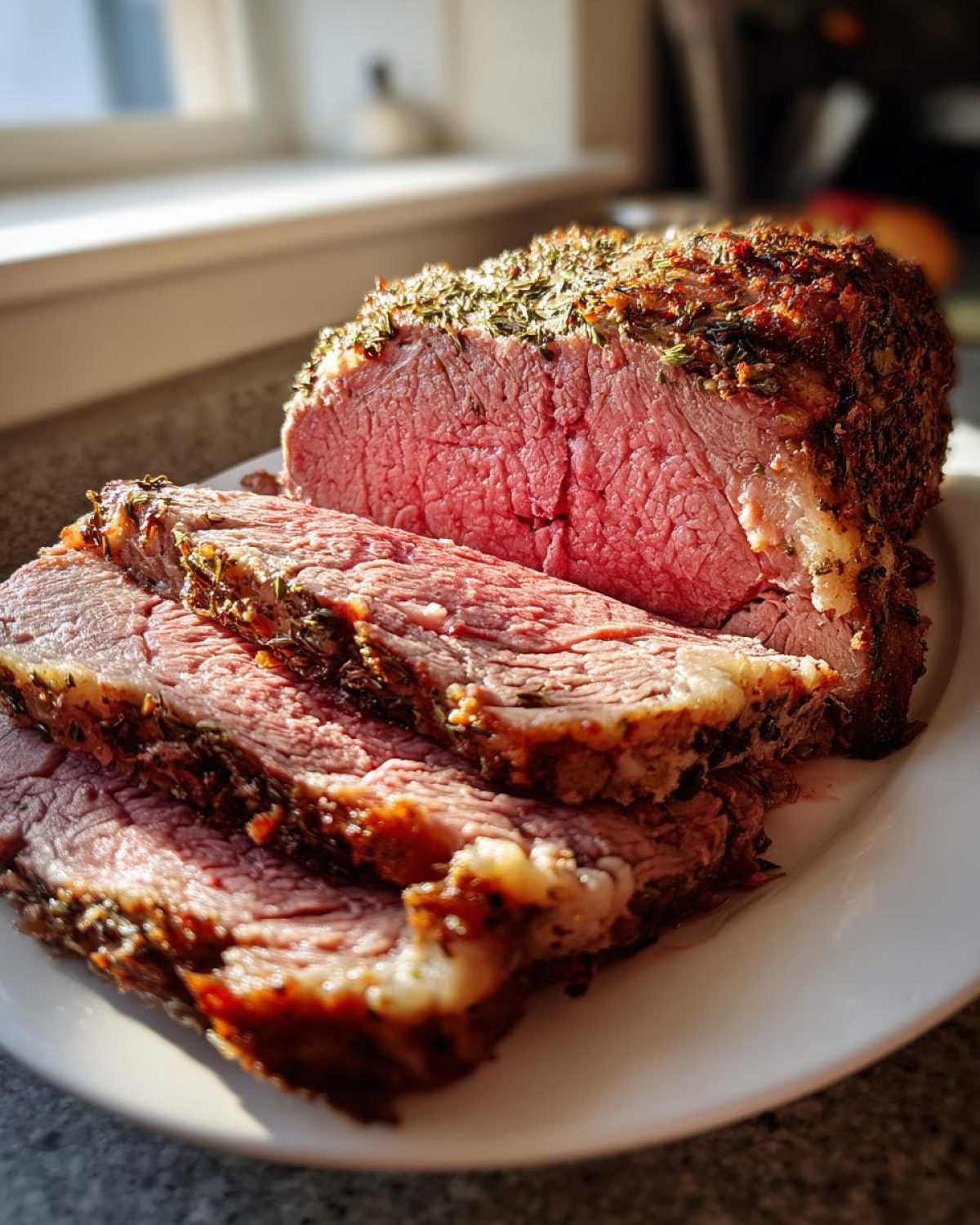
This whole prep takes maybe fifteen minutes, tops! First thing: get roast chilling away from the cold air for three hours. I learned this the hard way when I tried to rush, and the center ended up feeling like a cold rock next to a cooked edge—never again! Mix up all your dried spices in a little bowl. Then, rub that roast all over with the olive oil so it’s sticky, and press that glorious herb mixture firmly onto every side until it looks completely coated. That’s your armor for the oven.
The Critical Roasting Stages for a Perfect Prime Rib Recipe
Time to cook, and we are running a two-speed road show! Blast it at 450°F for 15 minutes exactly to lock in the crust. Then, drop that oven temp down to 325°F—do NOT open the door or peek! This is where you need that meat thermometer. You are aiming for 125 degrees Fahrenheit if you want rare, or creep up to 130 to 135 degrees if you want medium-rare. Pull it out when it’s 5 degrees *below* that target because the internal temperature keeps climbing even after it leaves the heat. That post-oven rest is vital!
Tips for Success with Your Holiday Roast Dinner Prime Rib Recipe
I have a few tricks up my sleeve that make serving this roast for your holiday roast dinner completely stress-free. This is how you master how to make prime rib perfect when it really matters.
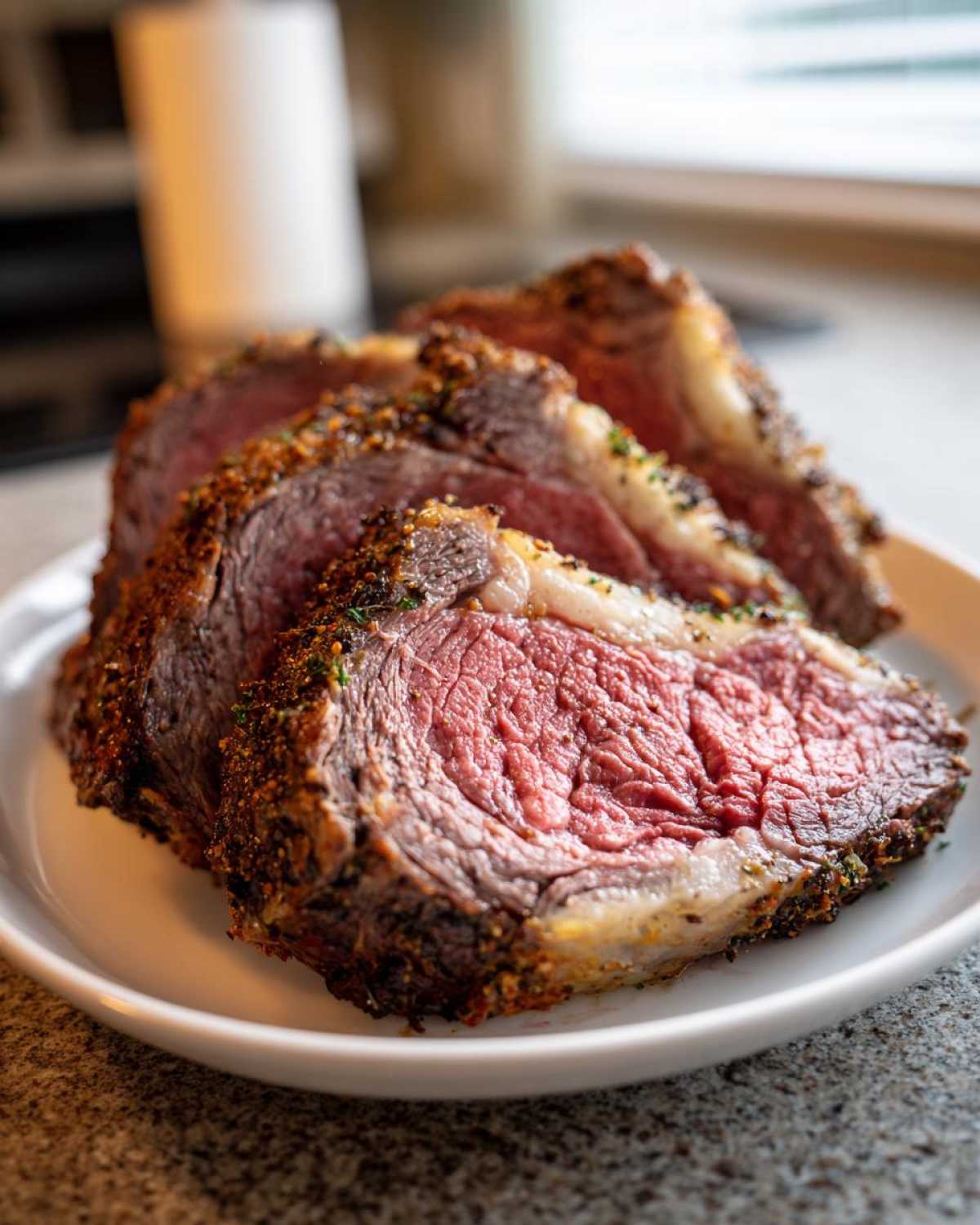
My very best carving tip involves the butcher. If you ask them to take the bones off and then simply tie them back onto the roast with butcher’s twine, it makes carving later a breeze! The bones still insulate the meat while it cooks, but when it’s time to serve, you just snip that twine and pull the bones away easily. No wrestling with the knife!
Also, if you’re worried about timing or roasting on a busy holiday morning, try the slow-roast alternative that my notes mention. Start your roast way low, around 250 degrees Fahrenheit, and let it cook until it hits about 115 degrees internally. Then, just before everyone sits down, crank the heat up to that 450°F blast for the final 15 minutes. You get the same amazing crust, but you have way more flexibility when it comes to scheduling!
Serving Suggestions for Your Impressive Dinner Centerpiece
Okay, you have this show-stopping prime rib, which is fantastic, but what about the supporting cast? You need sides that can stand up to that rich, incredible beef flavor without competing with it. I always aim for balance. Since the roast is so decadent, lighter, bright sides work wonders.
Think about something creamy, like silky mashed potatoes or maybe some roasted root vegetables to add a touch of sweetness. And you absolutely have to have something green! Seriously, a vibrant side like roasted broccoli or asparagus helps cut through all that glorious fat and keeps the palate refreshed. We want everyone happy at the table, not feeling too heavy!
If you are looking for an idea for that bright green element, I love making garlic parmesan roasted broccoli. It takes five minutes to toss together and that salty, sharp parmesan is just perfect next to a slice of that tender beef roast.
Storage and Reheating Instructions for Leftover Prime Rib Recipe
Don’t you dare throw away those leftovers! Storing your magnificent prime rib recipe from the holiday feast is easy, but how you slice it matters. If you know you’ll eat most of it quickly, leave the rest in thicker slices. The less surface area exposed to air, the better it stays fresh!
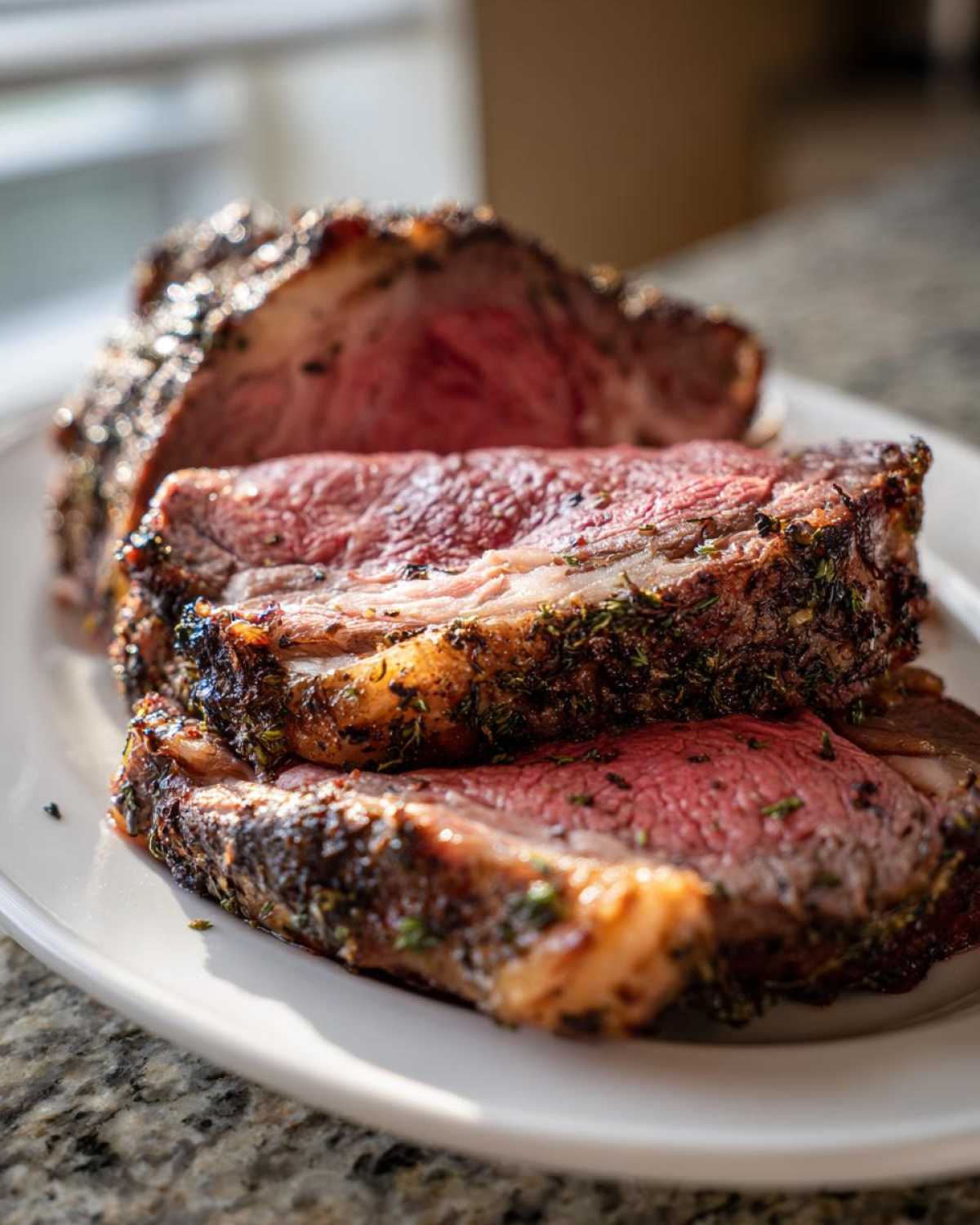
When you reheat it—and this is key, so listen up—you have to do it low and slow to prevent it from turning dry. Slice it thin, lay it in a shallow baking dish, and add a splash of beef broth or even just water before covering it tightly with foil. Pop it into a low oven, maybe 275°F, until it’s just warmed through. That small bit of liquid steams under the foil and keeps your beef incredibly tender!
Frequently Asked Questions About This Prime Rib Recipe
I know when you’re planning a big spectacular meal, you want zero surprises! I’ve gathered the most common questions people have about making this prime rib recipe, so you can feel 100% confident before you even turn on the oven.
How do I ensure my prime rib is medium-rare using this prime rib recipe?
This is all about the thermometer, honey! For that beautiful, slightly pink medium-rare center, you need to pull your roast out when the internal temperature hits about 130 to 135 degrees Fahrenheit. But remember that crucial rule for a perfect prime rib recipe: always remove it when it’s 5 degrees *below* your target. That carryover cooking while it rests will bring it right up to perfection! No worries about guessing!
Can I use a boneless roast instead of bone-in for this prime rib recipe?
Yes, you absolutely can switch to a boneless roast if you prefer! It’s just a little different because you lose that insulating layer the bones provide. Basically, you need to adjust the timing downward. I always estimate that a boneless roast will cook about one to two minutes faster per pound than the bone-in version. Keep checking that thermometer often, as they just heat up much quicker!
Nutritional Estimates for This Tender Beef Roast Recipe
Now, I know most of us aren’t thinking too hard about nutrition when we’re making the main star of a massive holiday meal, but it’s good to have a ballpark idea! Based on a 6-ounce serving of this incredibly tender beef roast recipe, you’re looking at roughly 450 calories. It’s definitely protein-heavy, with about 45 grams per serving, and naturally low in carbs.
Just remember this is all theoretical, of course! The actual numbers change based on how much fat cap you trim, what brand of salt or oil you use, and exactly how thick you slice those beautiful pieces. For the full breakdown, you can always check out our official disclaimer page over at our official disclaimer page, but honestly, just enjoy every single bite of this amazing roast!
Share Your Perfect Prime Rib Roast Experience
So that’s it! You’ve made the most impressive, melt-in-your-mouth roast your family has ever seen. Now I’m dying to know how it turned out!
Please, please come back here and leave me a rating for this prime rib recipe. It helps other cooks know this is the one to trust when they’re planning their own big holiday feast. Tell me if your crust was fantastic or if your thermometer gave you the right temperature!
And if you took a picture of that stunning centerpiece sitting on your table, I would absolutely love to see it! Feel free to share it with us over on social media—just tag us so we can admire your handiwork. I love seeing everyone’s success with this roast! You can always find more dinner inspiration over on our main recipe page too!
PrintFoolproof Oven-Roasted Prime Rib Recipe
This recipe provides simple instructions for cooking a perfectly juicy, tender prime rib roast with a flavorful herb crust, ideal for your special occasion dinner.
- Prep Time: 20 min
- Cook Time: 2 hr 30 min
- Total Time: 3 hr 50 min
- Yield: 8 servings
- Category: Main Course
- Method: Oven Roasting
- Cuisine: American
- Diet: Low Fat
Ingredients
- 1 (5-7 pound) bone-in prime rib roast
- 3 tablespoons coarse kosher salt
- 2 tablespoons black pepper
- 1 tablespoon garlic powder
- 1 tablespoon onion powder
- 1 tablespoon dried thyme
- 1 tablespoon dried rosemary
- 4 tablespoons olive oil
- 4 cloves garlic, minced
Instructions
- Remove the prime rib from the refrigerator 3 hours before cooking to allow it to come to room temperature.
- Preheat your oven to 450 degrees Fahrenheit.
- In a small bowl, combine the kosher salt, black pepper, garlic powder, onion powder, dried thyme, and dried rosemary to create the herb rub.
- Rub the entire surface of the roast evenly with the olive oil.
- Press the herb rub mixture firmly onto all sides of the roast, including the fat cap.
- Place the roast, fat side up, in a roasting pan on a rack.
- Roast at 450 degrees Fahrenheit for 15 minutes. This sets the crust.
- Reduce the oven temperature to 325 degrees Fahrenheit. Do not open the oven door.
- Continue roasting until the internal temperature reaches 125 degrees Fahrenheit for rare, or 130-135 degrees Fahrenheit for medium-rare. Use a meat thermometer inserted into the thickest part of the meat, avoiding bone. This usually takes about 13-15 minutes per pound after the initial high-heat blast.
- Remove the roast from the oven when it reaches 5 degrees below your target temperature.
- Tent the roast loosely with aluminum foil and let it rest on a cutting board for 20 to 30 minutes before slicing. The internal temperature will rise during resting.
- Slice against the grain and serve immediately.
Notes
- For easier carving, ask your butcher to remove the bones and then tie them back onto the roast with butcher’s twine. Remove the twine before serving.
- If you prefer a slower cooking method, start the roast at 250 degrees Fahrenheit until it reaches 115 degrees Fahrenheit, then increase the heat to 450 degrees Fahrenheit for the final 15 minutes to brown the crust.
Nutrition
- Serving Size: 6 oz cooked
- Calories: 450
- Sugar: 0
- Sodium: 550
- Fat: 30
- Saturated Fat: 12
- Unsaturated Fat: 18
- Trans Fat: 0
- Carbohydrates: 0
- Fiber: 0
- Protein: 45
- Cholesterol: 140