

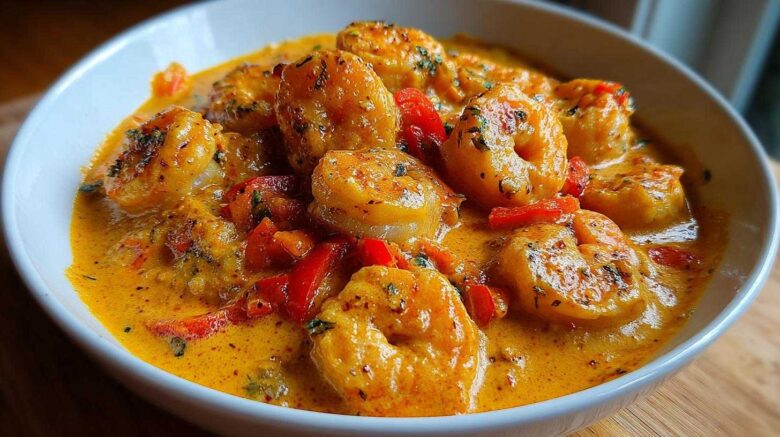
Hello, food lovers! I’m Amaya, and I’m so excited to share a recipe that has become a weeknight savior in my kitchen. This Thai Coconut Shrimp Curry is a dream come true for busy evenings. It’s bursting with flavor and comes together in less than 20 minutes. Kenji and I discovered its magic shortly after arriving in New York. Coming from Kyoto, we cherish our traditions, but we also adore finding quick, delicious meals that fit our new, fast-paced life. This dish truly delivers on speed and taste, a perfect blend of my heritage and our new adventures.
Why You’ll Love This Thai Coconut Shrimp Curry
This easy curry recipe is a true gem for any home cook. You’ll adore it because:
- It’s ready in under 20 minutes.
- It’s wonderfully creamy and packed with flavor.
- It’s the perfect answer for busy weeknights.
- The ingredient list is wonderfully simple.
Gathering Your Ingredients for Thai Coconut Shrimp Curry
Getting ready to make this delightful Thai Coconut Shrimp Curry is a breeze. All the ingredients are easy to find. You’ll start with 1 tablespoon of olive oil. For the star of the show, grab 1 pound of large shrimp. Make sure they are peeled and deveined. This makes cooking so much simpler!
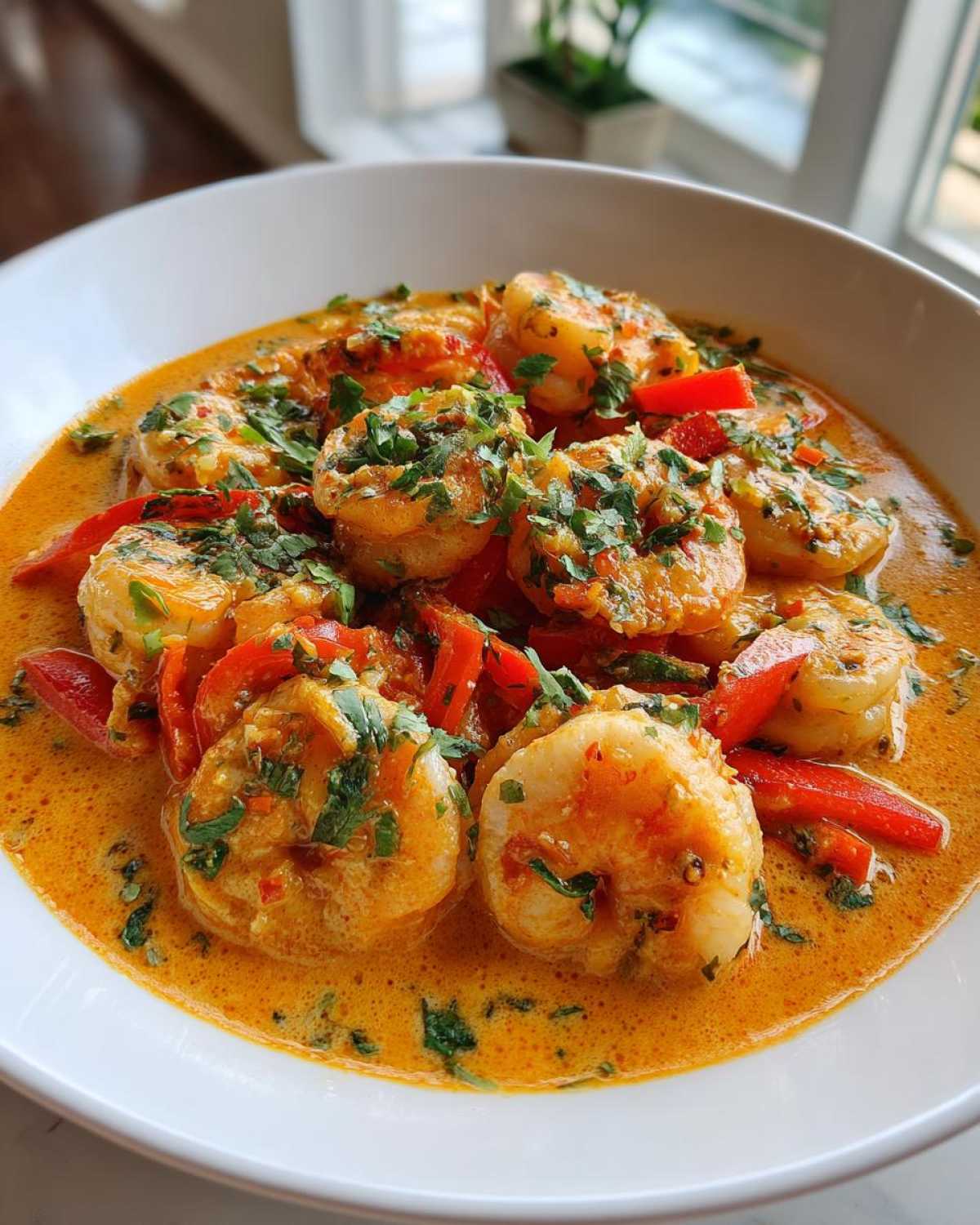
Next, you’ll need 1 tablespoon of red curry paste. This is where you can play with the spice. If you like it mild, start with less. For a real kick, add a bit more. Then, get one can of full-fat coconut milk. The full-fat kind makes the curry wonderfully creamy.
For seasoning, have 1 tablespoon of soy sauce and 1 teaspoon of brown sugar ready. These balance the flavors beautifully. Finally, you’ll want 1/2 cup of chopped fresh cilantro. It adds a burst of freshness at the end. And, of course, have some cooked jasmine rice ready to serve it all over. It’s that simple!
Essential Equipment for Your Thai Coconut Shrimp Curry
You don’t need fancy gadgets for this quick dish. Just a few trusty kitchen staples will do.
- A large skillet or pot is key for cooking everything together.
- Measuring spoons and cups help get the flavors just right.
- You’ll need a knife and cutting board if you’re chopping fresh cilantro.
- And a simple spoon for stirring will be your best friend.
Step-by-Step: Crafting Your Thai Coconut Shrimp Curry
Let’s get cooking! This Thai Coconut Shrimp Curry comes together so fast, you’ll be amazed.
Step 1: Searing the Shrimp
First, grab your large skillet or pot. Heat 1 tablespoon of olive oil over medium-high heat. Once it’s shimmering, add your peeled and deveined shrimp. Cook them for just 1 to 2 minutes on each side. You want them to turn pink and opaque. Don’t overcook them now; they’ll finish cooking later! Quickly remove the shrimp from the skillet and set them aside on a plate.
Step 2: Building the Flavor Base
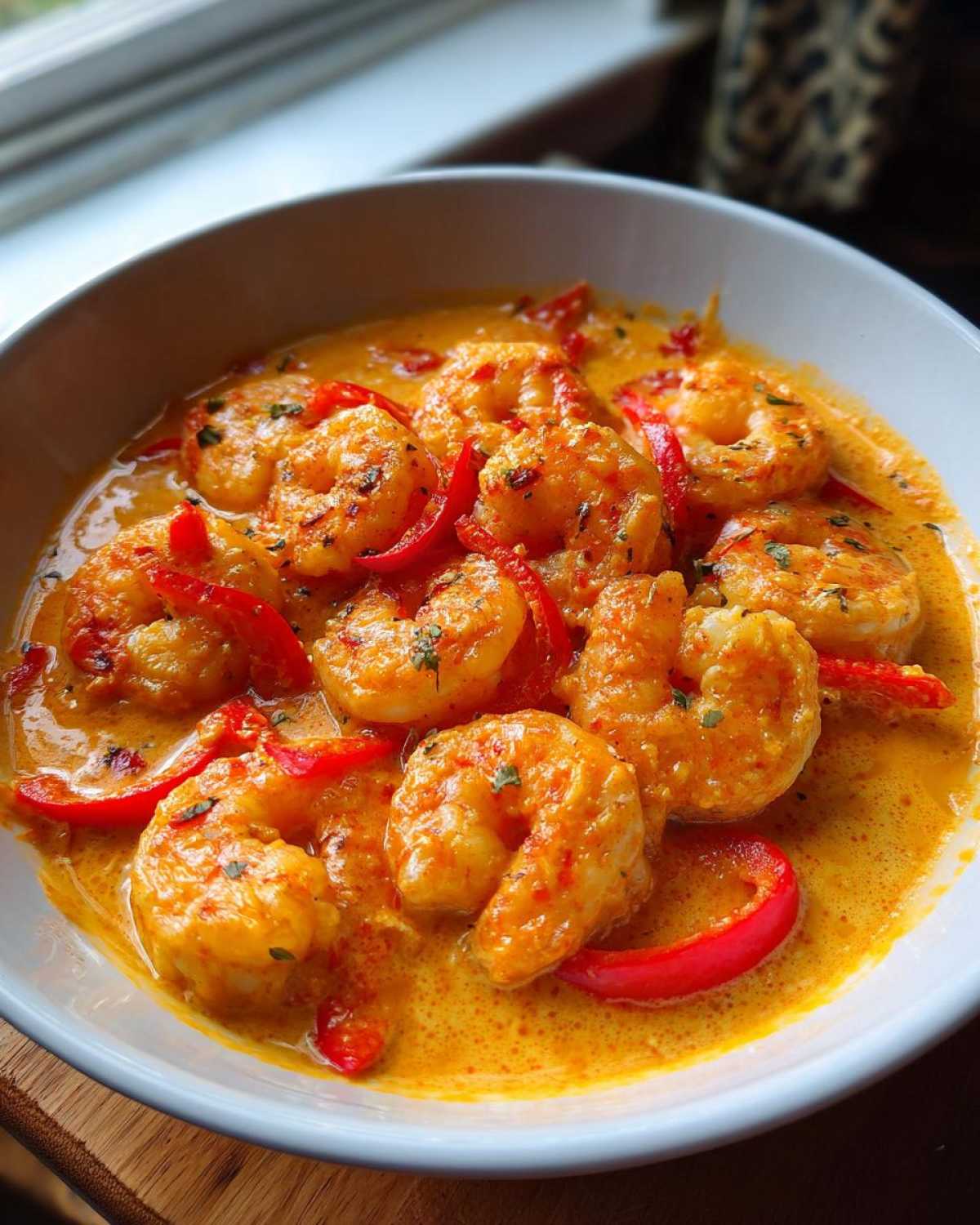
Now, into that same skillet, add 1 tablespoon of red curry paste. Stir it constantly for about 30 seconds. You’ll smell its amazing fragrance bloom. This step is crucial for unlocking all those wonderful Thai flavors.
Step 3: Creating the Creamy Sauce
Pour in your can of full-fat coconut milk. Add 1 tablespoon of soy sauce and 1 teaspoon of brown sugar. Stir everything together well, making sure to scrape up any tasty bits from the bottom of the skillet. Bring the mixture to a gentle simmer. Let it bubble softly for a minute or two. This lets the flavors meld beautifully.
Step 4: Finishing Touches
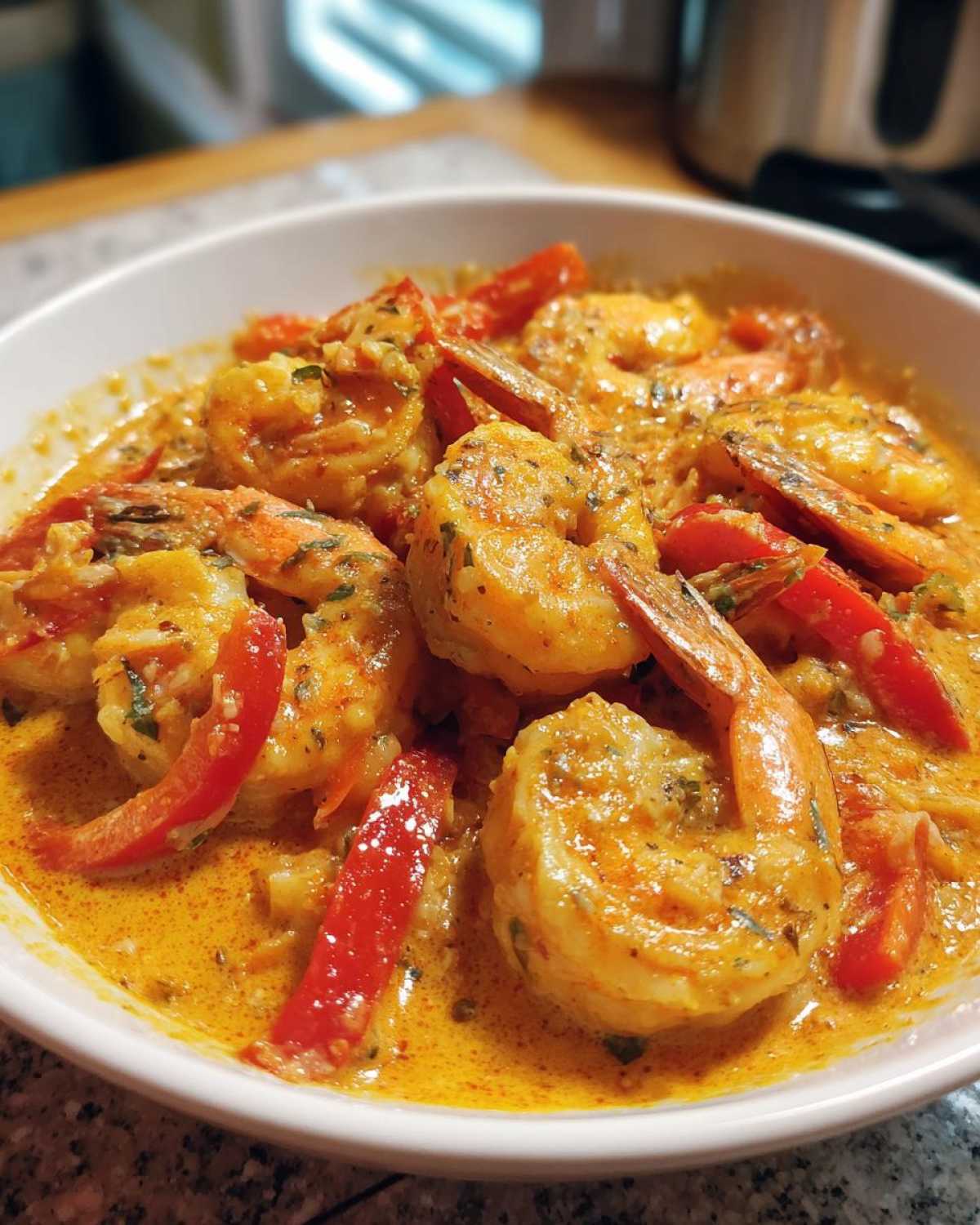
Return the cooked shrimp to the skillet. Let them simmer in the creamy sauce for another 1 to 2 minutes. Just enough to heat them through. Finally, stir in your 1/2 cup of chopped fresh cilantro. It adds a lovely pop of green and freshness. Serve this delicious Thai Coconut Shrimp Curry immediately over fluffy jasmine rice. Enjoy every bite!
Tips for a Perfect Thai Coconut Shrimp Curry
Making this quick Thai Coconut Shrimp Curry is pretty straightforward, but a few tips can make it even better. When you’re choosing your red curry paste, don’t be afraid to taste a tiny bit. This helps you gauge the heat level. Some brands are much spicier than others. If you like it mild, start with less than a tablespoon and add more if needed.
Achieving that perfect creamy sauce is easy when you use full-fat coconut milk. Don’t use the “light” version; it won’t give you that rich, luscious texture. Gently simmer the sauce rather than boiling it hard. This keeps it smooth and prevents the coconut milk from separating. And remember, shrimp cook super fast! Overcooked shrimp become rubbery. Cook them just until they turn pink and opaque. They’ll finish cooking in the sauce.
Variations for Your Thai Coconut Shrimp Curry
This Thai Coconut Shrimp Curry is fantastic as is, but it’s also a wonderful base for creativity!
- Feel free to toss in some fresh vegetables like sliced bell peppers, tender snap peas, or broccoli florets when you add the coconut milk.
- Experiment with different curry pastes. Green curry paste often has a different flavor profile and can be milder or spicier depending on the brand.
- Don’t have shrimp? Cubes of chicken or firm tofu work beautifully too, just adjust their cooking time accordingly.
Serving Your Delicious Thai Coconut Shrimp Curry
This vibrant Thai Coconut Shrimp Curry is best served hot! It pairs wonderfully with fluffy, steamed jasmine rice. The rice soaks up that delicious, fragrant sauce perfectly. For a beautiful presentation, sprinkle a little extra fresh cilantro on top just before serving. A tiny squeeze of fresh lime juice right at the end adds a lovely brightness, too!
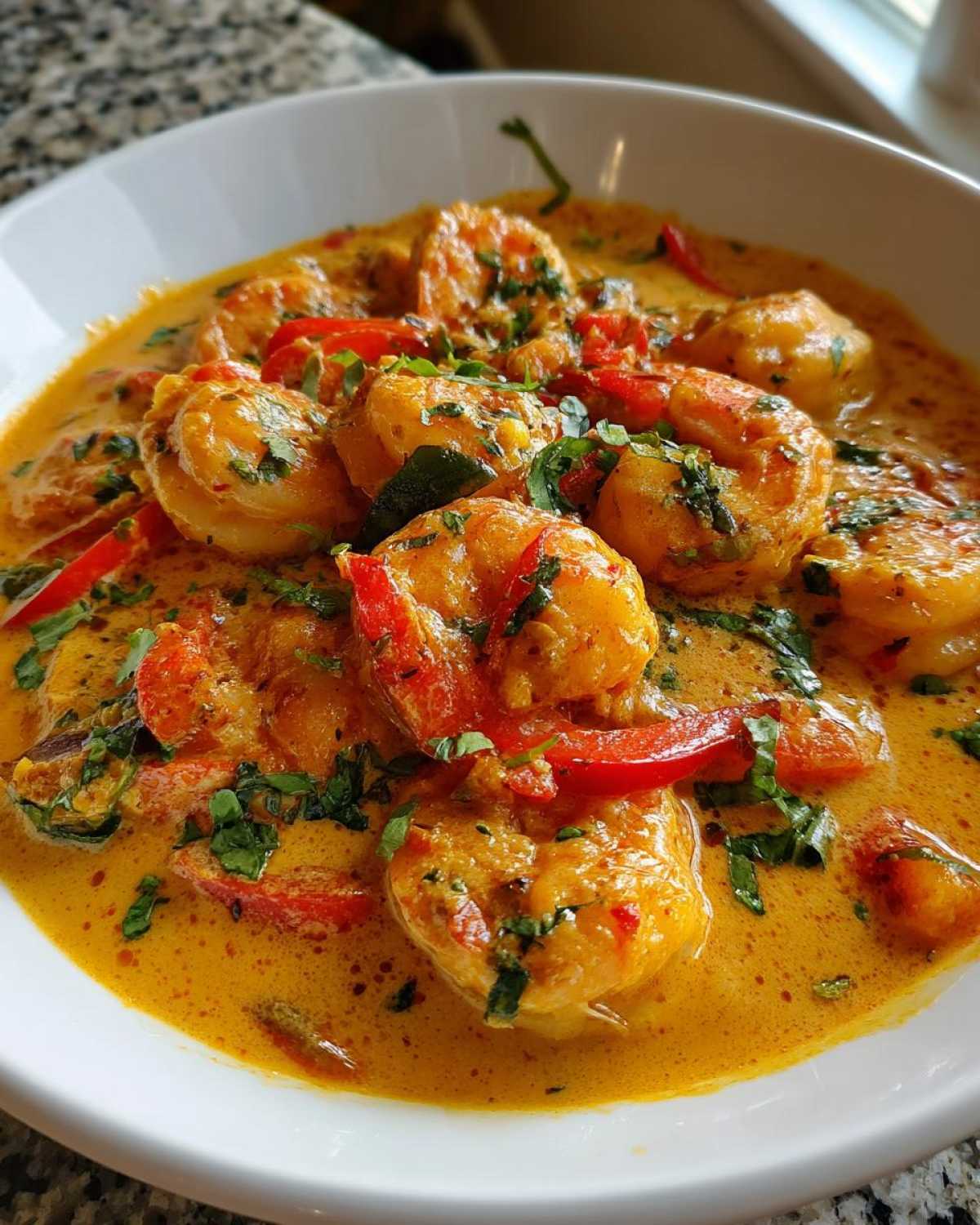
Storing and Reheating Your Thai Coconut Shrimp Curry
Leftover Thai Coconut Shrimp Curry is a treat! Let it cool completely. Store it in an airtight container in the refrigerator. It should stay fresh for up to 2 days. When you’re ready to enjoy it again, gently reheat it on the stovetop over low heat. Stir it often to ensure even warming. Avoid microwaving if possible, as it can sometimes make the shrimp a little tough.
Frequently Asked Questions About Thai Coconut Shrimp Curry
Do you have questions about this quick shrimp curry? I’m happy to help!
Can I use frozen shrimp?
Yes, you absolutely can use frozen shrimp! Just make sure to thaw them completely before cooking. You can do this overnight in the fridge or in a colander under cold running water for a few minutes. Pat them dry thoroughly before adding them to the skillet; this helps them sear nicely.
What if I don’t have soy sauce?
No soy sauce? No problem! Coconut aminos are a fantastic substitute and offer a similar salty, umami flavor. Tamari is another good option if you have it. Just use a 1:1 ratio. For a different twist, you could use a splash of fish sauce, but be mindful of its stronger flavor.
How spicy is red curry paste?
The spice level of red curry paste can vary a lot by brand. Some are quite mild, while others pack a serious punch! I recommend starting with the amount listed in the recipe, or even a little less if you’re sensitive to heat. You can always add more at the end or serve with chili flakes on the side.
Can I make this vegan?
You can easily adapt this coconut milk shrimp recipe to be vegan! Simply swap the shrimp for firm or extra-firm tofu, pressed and cubed, or your favorite plant-based protein. Ensure your curry paste is vegan (some contain shrimp paste). You’ll also want to use coconut aminos instead of soy sauce.
Nutritional Insights for Thai Coconut Shrimp Curry
Please keep in mind that the nutritional information for this Thai Coconut Shrimp Curry is an estimate. It can vary quite a bit depending on the specific brands of ingredients you use, especially the coconut milk and curry paste. Factors like shrimp size and how much sauce you serve also play a role.
Print20-Minute Thai Coconut Shrimp Curry: Flavorful & Fast

A quick and flavorful Thai coconut shrimp curry made in just 20 minutes. Perfect for a weeknight meal, this recipe combines succulent shrimp, creamy coconut milk, and aromatic Thai curry paste for a delicious seafood dish.
- Prep Time: 5 minutes
- Cook Time: 15 minutes
- Total Time: 20 minutes
- Yield: 4 servings
- Category: Main Course
- Method: Skillet/Stovetop
- Cuisine: Thai
- Diet: Low Fat
Ingredients
- 1 tablespoon coconut oil
- 1 pound large shrimp, peeled and deveined
- 1 red bell pepper, thinly sliced
- 1/2 cup full-fat coconut milk
- 2 tablespoons Thai red curry paste (adjust to your spice preference)
- 1 tablespoon soy sauce
- 1 teaspoon brown sugar
- 1/4 cup fresh cilantro, chopped (for garnish)
- Cooked rice, for serving
Instructions
- Heat coconut oil in a large skillet or wok over medium-high heat.
- Add shrimp and cook for 1-2 minutes per side until pink and cooked through. Remove shrimp from skillet and set aside.
- Add red bell pepper to the skillet and stir-fry for 2-3 minutes until slightly tender.
- Stir in Thai red curry paste and cook for 1 minute until fragrant.
- Pour in coconut milk, soy sauce, and brown sugar. Bring to a simmer, stirring to combine.
- Return the cooked shrimp to the skillet and toss to coat in the sauce. Cook for 1-2 minutes until heated through.
- Serve immediately over cooked rice, garnished with fresh cilantro.
Notes
- For a spicier curry, use more Thai red curry paste or add a pinch of red pepper flakes.
- Feel free to add other vegetables like snap peas, broccoli florets, or bamboo shoots.
- If you don’t have fresh cilantro, you can use chopped green onions as a garnish.
Nutrition
- Serving Size: 1 serving (about 1/4 of the recipe, without rice)
- Calories: Approx. 350 kcal
- Sugar: Approx. 5g
- Sodium: Approx. 800mg
- Fat: Approx. 18g
- Saturated Fat: Approx. 10g
- Unsaturated Fat: Approx. 8g
- Trans Fat: 0g
- Carbohydrates: Approx. 15g
- Fiber: Approx. 2g
- Protein: Approx. 30g
- Cholesterol: Approx. 200mg