

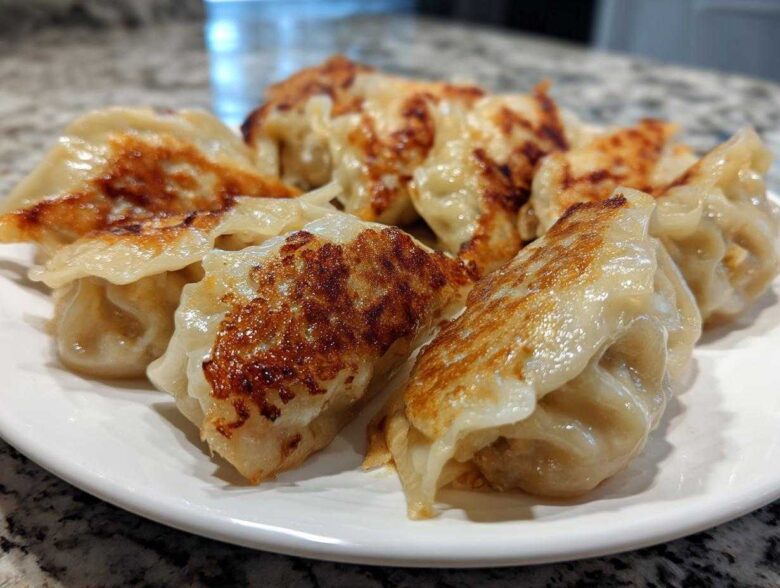
Oh, what is it about a perfectly plump, steaming dumpling that just resets the soul? Amaya and I agree, nothing beats the comfort of food made slowly, with real intention. When we moved to New York, I found myself missing the familiar rhythm of making these wonderful parcels of joy from scratch. That’s why I’m so excited to share what we consider the definitive guide to making Traditional Chinese Dumplings—our family’s Jiaozi recipe. It takes us right back to our kitchen in Kyoto. We’ll cover everything: making the dough so it’s supple and perfect, mixing that incredible pork and cabbage filling, and, most importantly, learning the folding techniques that make them truly authentic. If you want to know more about our journey from Kyoto to NYC, you can read all about it on our About Us page. Get ready to fill your kitchen with the best smells!
Why Making Traditional Chinese Dumplings at Home is Worth the Effort
Sure, you can grab a bag from the freezer aisle, but honestly, why would you want to when you can achieve this level of flavor right on your own counter? Making your own Authentic Chinese Dumpling Recipe is an act of love, I promise you. The texture of a wrapper you made yourself is just unbeatable.
Here’s what you gain when you take the time for homemade Jiaozi:
- Unmatched Flavor: The fresh ginger and sesame oil really sing when they haven’t been sitting around!
- Deep Satisfaction: There’s nothing quite like pulling a perfectly pleated dumpling from the steamer.
- Total Control: You decide how much salt goes in, or if you even want pork—pure customization!
The Joy of Perfecting Traditional Chinese Dumplings
When Amaya first taught me the dance of mixing the filling—always in one direction, always firmly—I kept messing it up. But sticking to the method ensures that perfect, slightly springy texture. Mastering the simple wrapper dough is the key to unlocking the very best Traditional Chinese Dumplings. When you finally nail that perfectly thin, chewy wrapper hugging delicious ingredients, that’s when you know you’ve really connected with the recipe. It’s truly rewarding, even for this old cook!
Ingredients for Authentic Traditional Chinese Dumplings
Gathering your ingredients is half the fun, isn’t it? It’s like setting up your workspace before starting a detailed painting. For these Traditional Chinese Dumplings to sing, we need quality components. I always advise getting the best ground pork you can find; the fat content really makes a difference in juiciness, trust me on this part! Having everything measured out before you start shaping saves so much fuss later on.
Here is exactly what you’ll need for your first batch of amazing Jiaozi:
For the Dough:
- 2 cups all-purpose flour
- 2/3 cup warm water (approximately)
For the Filling:
- 1 pound ground pork
- 1 pound Napa cabbage, finely chopped
- 2 tablespoons soy sauce
- 1 tablespoon sesame oil
- 1 tablespoon grated fresh ginger
- 1 teaspoon salt
- 1/2 teaspoon white pepper
- 1 tablespoon cooking oil (for filling)
For the Savory Pork and Cabbage Filling Ways
This filling is the heart of the dish. That Napa cabbage needs a good squeeze—I mean really squeeze it to get the extra water out, or your dumplings will get soupy inside. When you mix everything together, you’ll feel the mixture change. This is where the magic happens!
Here’s a little something Amaya taught me about texture: once all your ingredients are in that bowl, you must mix in one consistent direction—circularly, for example. Don’t stop and change direction! Mixing it this way helps align the meat proteins, creating that beautifully sticky binder that keeps the filling from crumbling when you boil or fry them. That little bit of expertise makes a huge difference in the final texture of your Best Chinese Dumpling Filling Ways.
Crafting the Classic Chinese Dumpling Dipping Sauce
Honestly, you can serve these dumplings without anything else, but a bright, sharp dipping sauce just cuts through the richness of the pork perfectly. It’s amazingly simple and comes together in about three seconds flat. It finishes the whole experience!
Whisk these three things together when you’re ready to eat:
- 3 tablespoons soy sauce
- 1 tablespoon rice vinegar
- 1 teaspoon sesame oil
- A pinch of chili flakes (if you like a tiny bit of fire!)
How to Make Dumpling Dough From Scratch for Traditional Chinese Dumplings
Forget those boxed wrappers for a minute. When you’re making proper Traditional Chinese Dumplings, you absolutely need to start here: the dough. Making dough might seem intimidating, I know, but this part is honestly the easiest of the whole process, even if it takes a little convincing from your hands! We are just using basic flour and water, which is what makes this foundation for our How to Make Dumpling Dough From Scratch so special.
First, toss your flour into a big bowl. Then, and this is important, you add the warm water *slowly*. I mean really slowly, just streams at a time, while you use your fingers to mix it until it looks like a shaggy mess. It shouldn’t be smooth yet! Once it holds together, turn that shaggy dough out onto a lightly floured surface. Now, you need to knead it. Really put your back into it for about 8 to 10 minutes until it feels smooth, elastic, and happy.
But here is the secret that lets the gluten relax and gives you those beautiful, pliable wrappers later: resting time! You can’t skip this part. Cover the dough with a damp cloth—I use one of my old tea towels—and just let it sit for at least 30 minutes. While it rests, we can go mix up that gorgeous filling we talked about earlier. If you’re interested in other dough recipes, like my soft naan, I’ve got tips there too, but this simple water dough is king for Jiaozi!
That rest time is what ensures the wrappers don’t fight you when you start rolling them thin. Trust me, a rested dough is a happy dough that never sticks or tears!
Step by Step Chinese Dumpling Making: Assembly and Folding
Alright, the dough is rested—it should feel beautifully soft now—and your filling is ready. This next stage, shaping and filling, is where you start feeling like a true dumpling master. We’re covering steps three and four here, moving from dough ropes to perfectly sealed parcels. This process takes practice, but don’t worry if your first few look a little wonky. Mine certainly did!
First, take that rested dough and cut it into four manageable pieces. You want to roll each piece into a long, even rope, about one inch thick. Then, grab your knife and cut small, uniform pieces—try to aim for about 10 grams each. This consistency is key if you want uniform cooking times!
Next, flatten each tiny dough piece with your palm. Then comes the rolling. You’ll use your small rolling pin to flatten it into a thin circle, but here’s that crucial detail: keep the edges thinner than the center. If the edges are too thick, you end up with doughy pockets when you cook them. The center needs to be just a tiny bit thicker to hold the filling securely.
Place a heaping teaspoon of that savory pork filling right in the middle of your thin wrapper. Before you fold, brush the edges lightly with water—this is the glue! If you skip the moisture, they will pop open when they hit the heat. Then, simply fold it in half to make that classic half-moon shape, pinching the top center closed.
Mastering Authentic Potsticker Folding Techniques
This is the part I struggled with the most! When Amaya first showed me the pleating, my fingers just wouldn’t cooperate. But stick with it; you’ll get the rhythm. After pinching the center top closed, you start working from that center point out towards the sides.
The idea is to create small, neat folds—pleats—on just *one* side of the wrapper edge. You press each little fold firmly against the flat, unpleated side of the wrapper and seal it down tight. It sounds complicated, but visualize making a small fan shape on one side. Keep those pleats close together for the most secure seal. When you reach the other end, firmly press the last pleat against the flat edge to lock the whole thing up.
Remember what I said about keeping things moist? If you are working quickly, you might not need to moisten the edges for every single dumpling, but if you notice the dough getting dry while you work on a batch, lightly dip your finger in water and run it along the edge before folding. Keeping the wrappers pliable is non-negotiable for perfect results in your Authentic Potsticker Folding Techniques!
Cooking Your Traditional Chinese Dumplings: Boiling vs. Pan-Frying
Now for the best part—cooking them! Do you want a soft, traditional texture, or that glorious crispy bottom? Either way, your beautiful work is about to pay off. We have two incredible methods here for finishing your Traditional Chinese Dumplings, covering Steps 5 and 6 from the written instructions.
If you’re aiming for the classic soup-dumpling experience, the boiling method is yours. For this Boiled Chinese Dumplings Recipe, you need a big pot of rolling water. Drop the dumplings in gently and stir right away so they don’t glue themselves to the bottom of the pot. The key trick here is adding a splash of cold water right when the water starts boiling again, repeating this three times. This gently cooks the filling without blasting the wrapper apart. They are done when they float and swell up nicely, usually in about 5 to 7 minutes total.
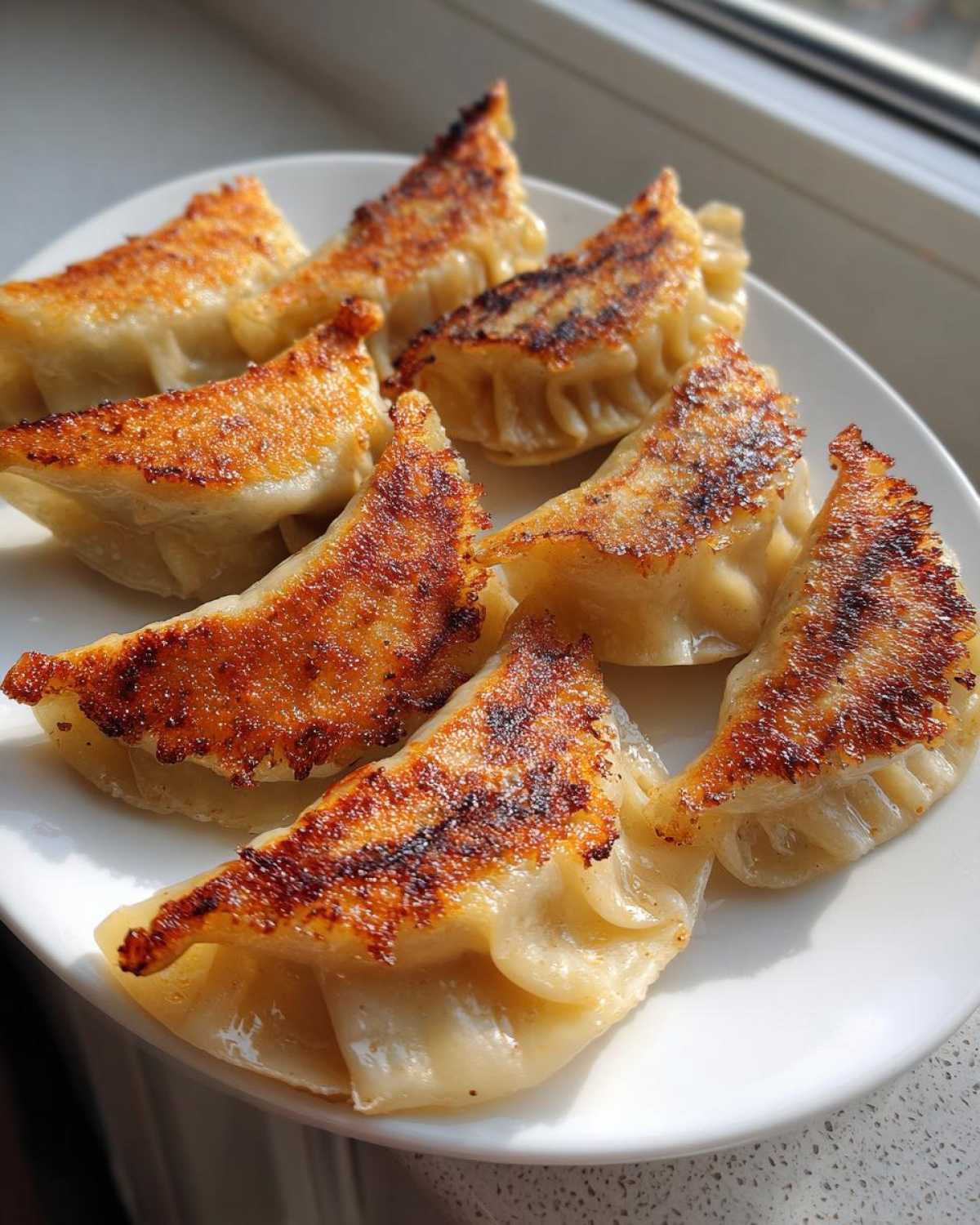
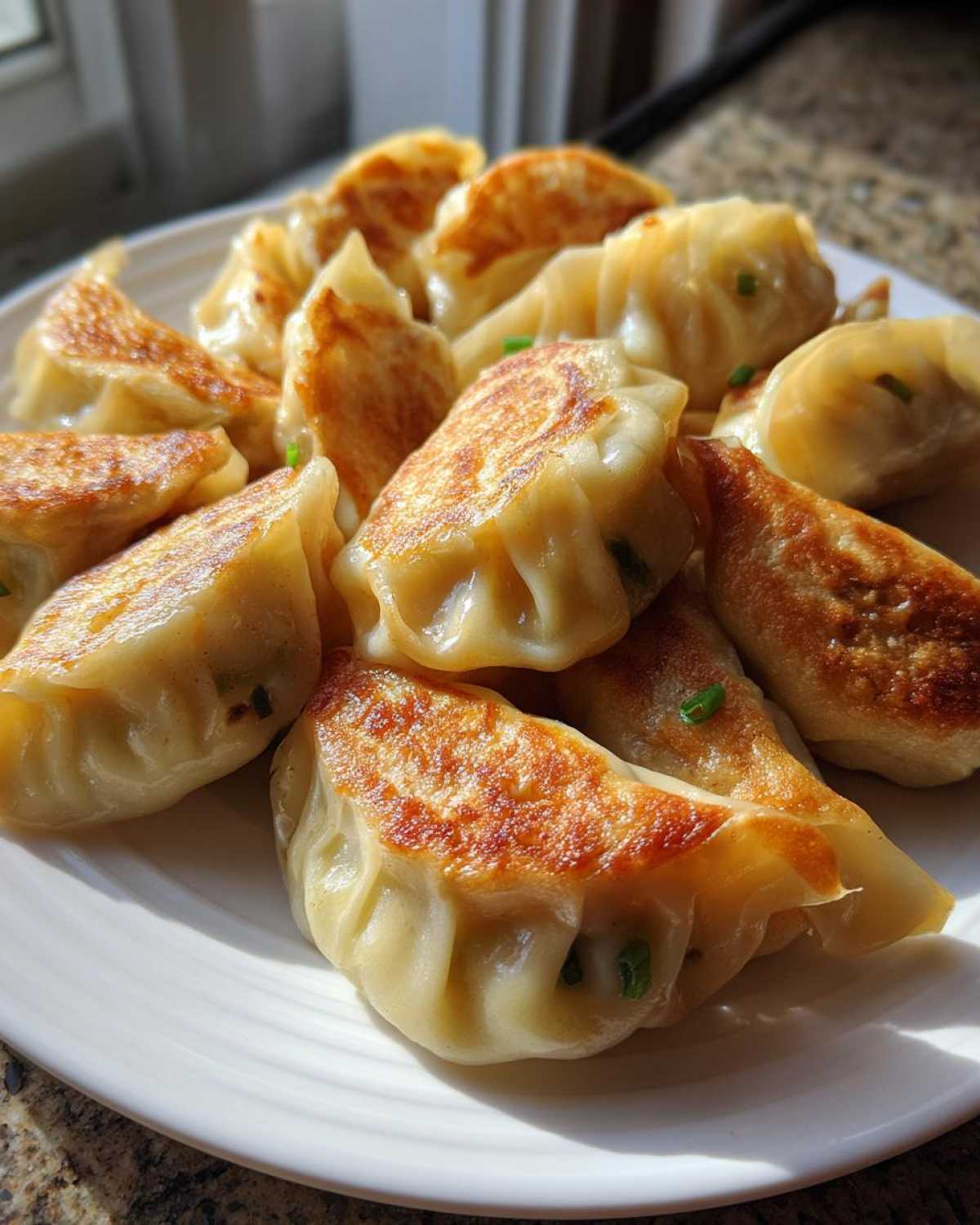
But if you are anything like me when dinner is served late and I need immediate gratification, the pan-frying method gives you those amazing Perfect Pan Fried Dumplings, or potstickers. You want that golden, crunchy base, and it’s surprisingly easy to achieve!
Tips for Perfect Pan Fried Dumplings (Potstickers)
To get that perfect crispy bottom, make sure your skillet is hot before you add the oil and place the dumplings flat-side down. Don’t overcrowd the pan, please! Give them space to crisp up properly. Once they are beautifully golden brown—about two or three minutes—it’s time for the secret weapon: steam!
Pour about half a cup of water into the hot pan immediately and slap that lid on tight! This traps the steam and makes sure the pork inside cooks all the way through while the top stays tender. Once the water has completely evaporated—you’ll hear the change in sizzle—take the lid off. Let them cook for one final minute uncovered just to re-crisp that golden bottom. If you’re looking for other quick cooking ideas, you might want to check out my recipe for Chicken Chow Mein!
Essential Tips for Success with Traditional Chinese Dumplings
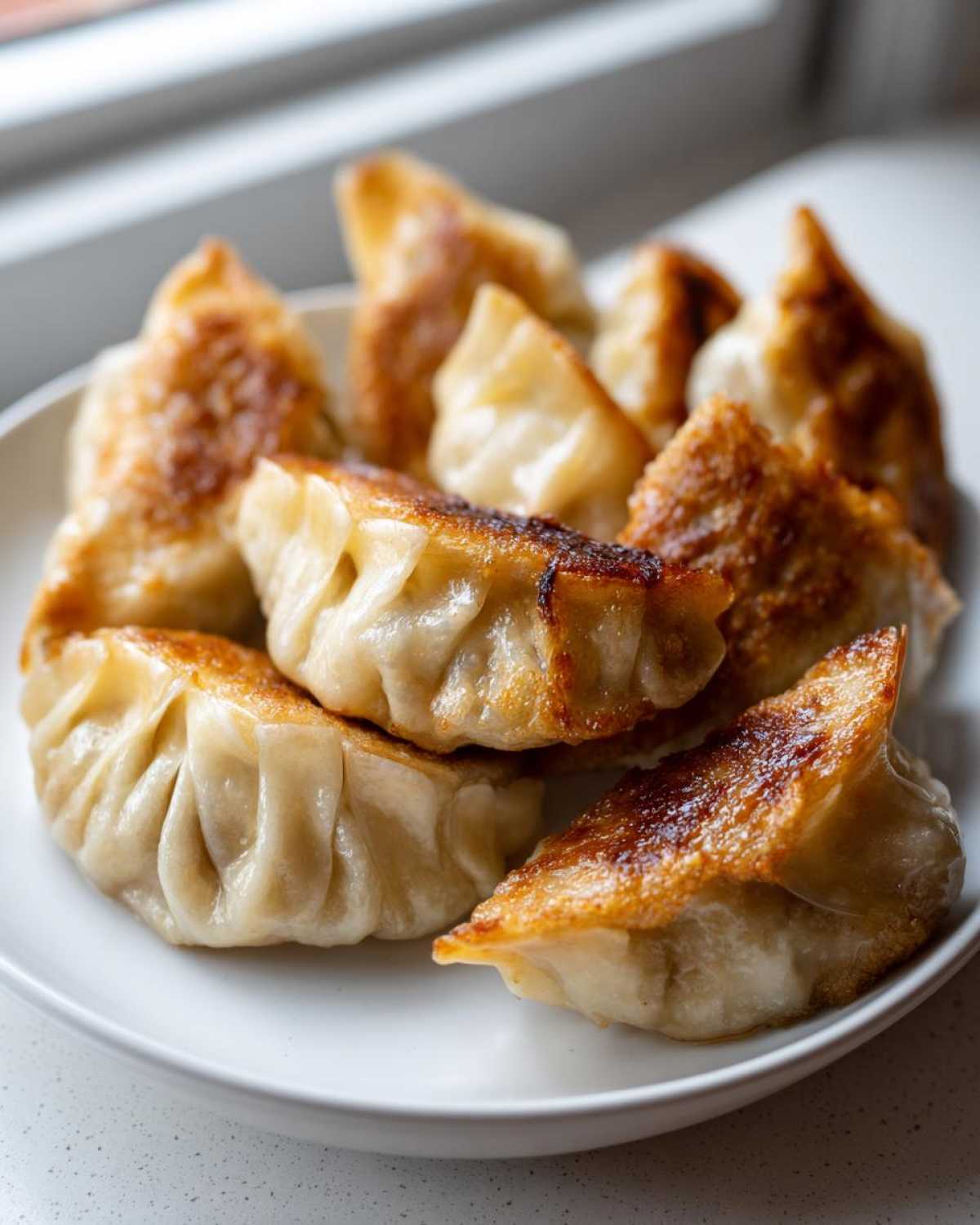
We’ve made the dough, we’ve mixed the filling, and we’ve sealed them up tight—now we need to make sure our hard work doesn’t turn into one giant sticky dumpling brick! Handling these fresh parcels requires a little care, especially when you are aiming for truly Easy Homemade Chinese Dumplings. These little tricks, pulled straight from years of kitchen mishaps, will keep everything separated and pliable until they hit the water or the pan.
The number one enemy here is dryness. A dry wrapper equals a cracked wrapper, and a cracked wrapper means filling escapes during cooking. If you are working through a large batch, don’t leave the unused wrappers just sitting out. I learned this the hard way when I was distracted talking to Amaya; I came back to stiff dough circles!
Here is the golden rule for keeping things smooth:
- Always keep unused wrappers covered! Plastic wrap works fine, but I prefer a slightly damp tea towel draped right over the stack or your rolling station. That steam barrier keeps them soft.
- When you move the finished, uncooked dumplings onto a pan or tray before cooking, dust the tray *generously* with flour or cornstarch. A tiny bit of flour on the bottom of the wrapper is your insurance policy against sticking. If you see them start to adhere, gently lift and dust underneath!
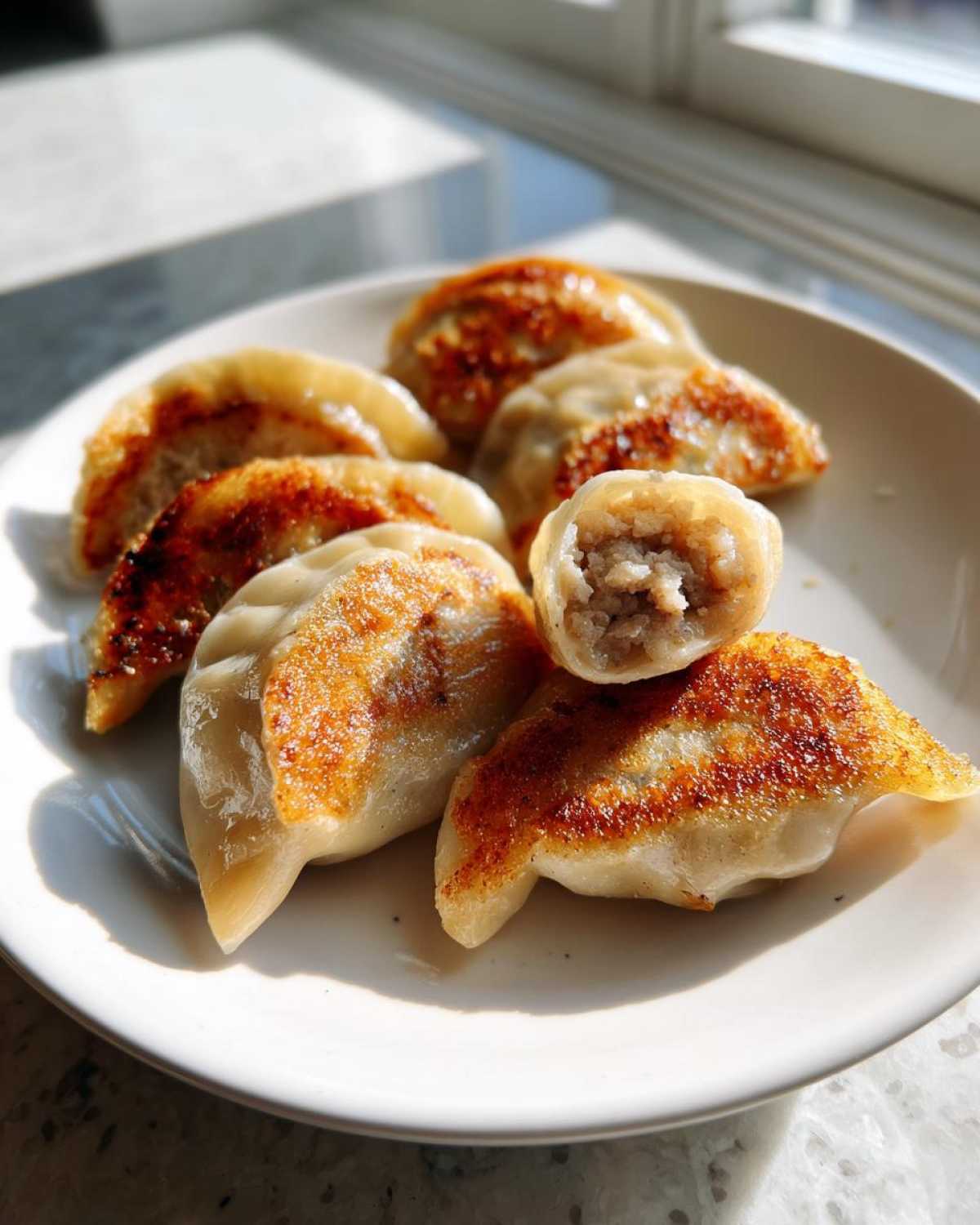
Also, think about the filling if you aren’t cooking them right away. The recipe works great if you prep the filling the day before, but keep it tightly covered in the coldest part of your refrigerator. Use it within 24 hours, as that fresh ginger flavor fades quickly. Remember, freshness is the secret weapon in all our Traditional Chinese Dumplings recipes!
If you ever need more quick kitchen wisdom, feel free to browse the rest of our posts on the Whisk Daily Blog—we cover everything from quick stir-fries to baking!
Serving Suggestions for Your Homemade Jiaozi
Oh, that smell! The moment your Traditional Chinese Dumplings are finished cooking—whether boiled soft or pan-fried crispy—you must serve them right away. Nothing is sadder than a lukewarm Jiaozi! These little bundles are packed full of flavor already, especially thanks to that wonderful pork and cabbage mix, but the dipping sauce we whipped up is non-negotiable. It simply elevates everything!
When we serve a big platter of these straight from the steamer basket, we usually keep the sides simple. You don’t want anything too heavy taking the spotlight away from the Best Chinese Dumpling Filling Ways we worked so hard to perfect. Think bright, crunchy, and quick to make. This helps balance the richness of the ground pork perfectly.
For a fantastic, easy side dish that brings a needed crunch, I highly recommend my recipe for garlic green beans. They cook up fast, stay relatively crisp, and the garlicky notes play so well with the ginger in the filling. You can grab the recipe for Chinese Green Beans with Garlic Sauce right here on the site.
We also often serve a simple light soup on the side, like a clear egg-drop soup, just to cleanse the palate between bites. But honestly? A big plate of these dumplings, a bowl of that tangy dipping sauce, and maybe some quick pickled cucumbers is plenty. They are the real star of the show, always!
Storage and Reheating Instructions for Traditional Chinese Dumplings
So, you made an enormous, fantastic batch of Traditional Chinese Dumplings—good job! This is precisely the right way to do things. Making them in big batches is tradition, especially around Chinese New Year, but what happens when you have too many for one sitting? We need a plan for leftovers!
As someone who has moved across continents, I’ve learned that proper storage is vital if you want your leftovers to taste almost as good as fresh. Whether they are raw, cooked, or you’re thinking long-term storage for your Traditional Asian Dumpling Recipe stash, here are the best ways Amaya and I handle extras.
Freezing Raw Dumplings (The Best Storage Method)
If you know you won’t be eating them within a day, freeze the raw dumplings first! This keeps them from sticking together in a giant lump. After you finish folding a batch, place them onto a baking sheet lined with parchment paper. Make sure none of the dumplings are touching each other at all—they need personal space!
Pop that entire tray into the freezer until they are rock solid, usually about two hours. Once they are frozen hard, you can carefully transfer them into a large, heavy-duty freezer bag. Squeeze out most of the air, seal it up, and they’ll keep perfectly for up to three months. You don’t even need to thaw them before cooking!
Reheating Cooked Dumplings
If you have leftovers that are already boiled or pan-fried, reheating them can sometimes be tricky because they tend to dry out. Please avoid the microwave unless you absolutely must—it makes the wrappers tough and chewy!
The best way to bring cooked dumplings back to life is steaming. Place them gently in a steamer basket over simmering water for about 5 to 7 minutes, just until they are piping hot all the way through. If you want to crisp up the bottoms of leftover potstickers, you can use that quick pan-fry and steam method we talked about earlier, but only add a tiny splash of water since they are already cooked.
Storing Cooked Leftovers in the Fridge
Cooked dumplings should be refrigerated as soon as they cool down to room temperature, ideally within two hours. Put them in a shallow, airtight container with a piece of parchment paper pressed right on top of them. This stops the steam from condensing and making the bottoms soggy overnight. They should be eaten within two to three days for the best texture!
Frequently Asked Questions About Traditional Chinese Dumplings
Well, you’ve made it through the whole process! I know these steps for Traditional Chinese Dumplings can seem detailed, but once you do it once, it becomes second nature. We get so many lovely notes from people trying this for the first time, and there are always a few things that come up again and again. I’m happy to answer some of the most common questions I see when folks are trying to master their first batch of homemade Jiaozi!
If you ever have a question that isn’t answered here, please don’t hesitate to reach out to us on our Contact Page—Amaya and I love hearing from our readers!
Can I substitute the pork in this Traditional Chinese Dumplings recipe?
Absolutely! While this pork and cabbage version is classic, you can definitely swap out the meat. For a lighter flavor, ground chicken works beautifully; just be sure to add a little extra sesame oil or a spoonful of finely minced mushrooms so you don’t lose that necessary fat content for juiciness. If you are serving vegetarians, you can make a wonderful chive and egg filling, or use finely chopped, firm tofu. Just remember, if you use tofu, you must press out every last bit of moisture, or you’ll end up with soggy dough, which defeats the purpose of making great dough for your Traditional Chinese Dumplings!
What is the best way to keep the dumpling wrappers from cracking?
Keeping the wrappers pliable is the running theme, isn’t it? If your wrappers are cracking, it almost always comes down to one of two things: either your dough wasn’t rested long enough (remember that 30 minutes minimum!), or the edges dried out while you were busy pleating the other dumplings.
Make sure you keep a small bowl of water right near your wrapper station. Every time you pick up a wrapper that has been sitting for more than a few minutes, give the edges a quick, slight brush of water before you place the filling. That moisture glue is essential for sealing, and it acts like a temporary shield against creeping dryness. Also, if you are working on a big batch of Homemade Jiaozi Instructions, cover the finished, folded dumplings with a damp cloth immediately! They hate the dry air.
Can I use store-bought wrappers instead of making the dough?
Oh, I know the temptation! If you are short on time, yes, you can absolutely use pre-made wrappers to make quick Easy Homemade Chinese Dumplings. However, I must warn you: the texture won’t be quite the same as the ones made from scratch. Homemade dough has a lovely chewiness that the packaged ones often lack. If you do buy them, look for wrappers labeled specifically for Jiaozi or potstickers; they are usually thinner than wonton wrappers.
What if my filling seems too wet after mixing?
This is a very common issue, especially if your Napa cabbage was particularly watery! Don’t panic; we can usually fix this. If the filling is still quite liquidy, you can stir in one tablespoon of cornstarch immediately. Cornstarch is a great binder and will immediately absorb excess liquid. If that doesn’t work, add a little more ground pork—just a small scoop—to soak up the moisture. A slightly sticky but mostly firm filling is what you want for those Perfect Pan Fried Dumplings!
How do I adjust cooking time when steaming my dumplings?
Steaming is a gentler method than boiling, which is lovely for delicate fillings. When steaming, the main thing you are waiting for is the pork to cook through, as the wrapper is already somewhat steamed by the ambient humidity. For our pork and cabbage filling, if you are using standard-sized Jiaozi, start checking around the 9 or 10-minute mark. The wrapper should look slightly translucent, and the filling needs to be cooked through and totally opaque. If you make them larger, always add a few extra minutes to ensure that center piece of pork is safe and hot!
PrintAuthentic Pork and Napa Cabbage Jiaozi: Traditional Chinese Dumplings From Scratch
Learn how to make classic Chinese Jiaozi, including the dough, savory pork and cabbage filling, and proper folding techniques. You can boil or pan-fry these for a perfect homemade meal.
- Prep Time: 45 min
- Cook Time: 15 min
- Total Time: 60 min
- Yield: 4 servings
- Category: Main Course
- Method: Boiling and Pan-Frying
- Cuisine: Chinese
- Diet: None
Ingredients
- 2 cups all-purpose flour
- 2/3 cup warm water (approximately)
- 1 pound ground pork
- 1 pound Napa cabbage, finely chopped
- 2 tablespoons soy sauce
- 1 tablespoon sesame oil
- 1 tablespoon grated fresh ginger
- 1 teaspoon salt
- 1/2 teaspoon white pepper
- 1 tablespoon cooking oil (for filling)
Instructions
- Prepare the Dough: In a large bowl, combine the flour and gradually add the warm water, mixing until a shaggy dough forms. Knead the dough on a lightly floured surface for 8 to 10 minutes until smooth and elastic. Cover the dough with a damp cloth and let it rest for at least 30 minutes.
- Prepare the Filling: Squeeze excess water from the chopped Napa cabbage. In a separate bowl, combine the ground pork, squeezed cabbage, soy sauce, sesame oil, ginger, salt, white pepper, and cooking oil. Mix thoroughly in one direction until the mixture becomes sticky and well combined. This mixing direction helps create a better texture.
- Shape the Wrappers: Divide the rested dough into four equal pieces. Roll each piece into a long rope, about 1 inch thick. Cut the rope into small, equal pieces (about 10 grams each). Flatten each piece with your palm, then use a small rolling pin to roll it into a thin, round wrapper, keeping the edges slightly thinner than the center.
- Assemble the Dumplings: Place about 1 heaping teaspoon of filling in the center of a wrapper. Moisten the edges lightly with water. Fold the wrapper in half over the filling to create a half-moon shape. Pinch the center top closed, then create small pleats along one side of the edge, pressing each pleat firmly against the flat edge of the other side until the dumpling is sealed.
- Cook the Dumplings (Boiling Method): Bring a large pot of water to a rolling boil. Gently drop the dumplings into the water, stirring gently so they do not stick to the bottom. When the water returns to a boil, add about 1/2 cup of cold water. Repeat this process two more times. The dumplings are done when they float and look plump, usually about 5 to 7 minutes total.
- Cook the Dumplings (Pan-Frying/Potstickers Method): Heat 1 tablespoon of cooking oil in a non-stick skillet over medium-high heat. Place the dumplings flat-side down in the pan, ensuring they do not touch. Cook until the bottoms are golden brown, about 2 to 3 minutes. Add about 1/2 cup of water to the skillet, immediately cover, and steam for 6 to 8 minutes, or until the water evaporates and the filling is cooked through. Remove the lid and cook for one minute more to re-crisp the bottoms.
- Make the Dipping Sauce: Whisk together 3 tablespoons soy sauce, 1 tablespoon rice vinegar, 1 teaspoon sesame oil, and a pinch of chili flakes (optional) for your classic Chinese dumpling dipping sauce.
Notes
- To keep unused wrappers pliable, cover them with plastic wrap or a damp towel while you work on the rest. Do not let them dry out.
- If you are making the filling ahead of time, keep it refrigerated. For best flavor, use the filling within 24 hours.
- For perfectly round potsticker bottoms, use a flat-bottomed, heavy skillet.
Nutrition
- Serving Size: 5 dumplings
- Calories: 250
- Sugar: 2
- Sodium: 450
- Fat: 12
- Saturated Fat: 4
- Unsaturated Fat: 8
- Trans Fat: 0
- Carbohydrates: 22
- Fiber: 1
- Protein: 14
- Cholesterol: 45