

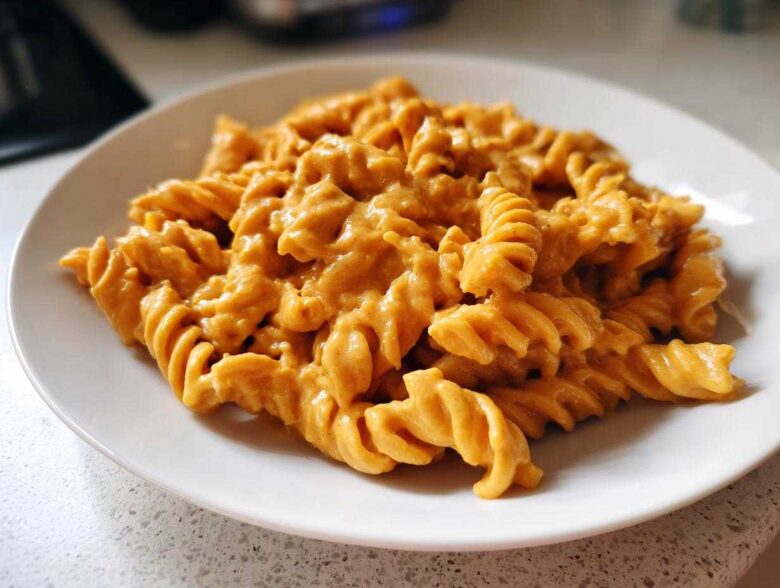
Oh, my friends, when that crisp air hits and the leaves start turning those gorgeous shades of orange and red, my kitchen immediately switches gears to comfort mode. Forget everything you thought you knew about heavy cream sauces; I’ve finally perfected the recipe I’ve been chasing for years. I’m talking about the Ultimate Creamy Roasted Butternut Squash Pasta Sauce, folks. This isn’t just another fall dish; it’s rich, it’s downright velvety, and it proves you can make an incredibly decadent vegetarian pasta sauce without a drop of dairy sometimes. Trust me, years of testing have gone into this simple butternut squash pasta sauce!
I first started experimenting because I wanted a truly cozy dinner idea that felt special but was secretly packed with good, wholesome vegetables. This version, which uses roasting to deepen that gorgeous squash sweetness, has become our go-to for chilly nights. It’s easily one of my favorite fall pasta recipes.
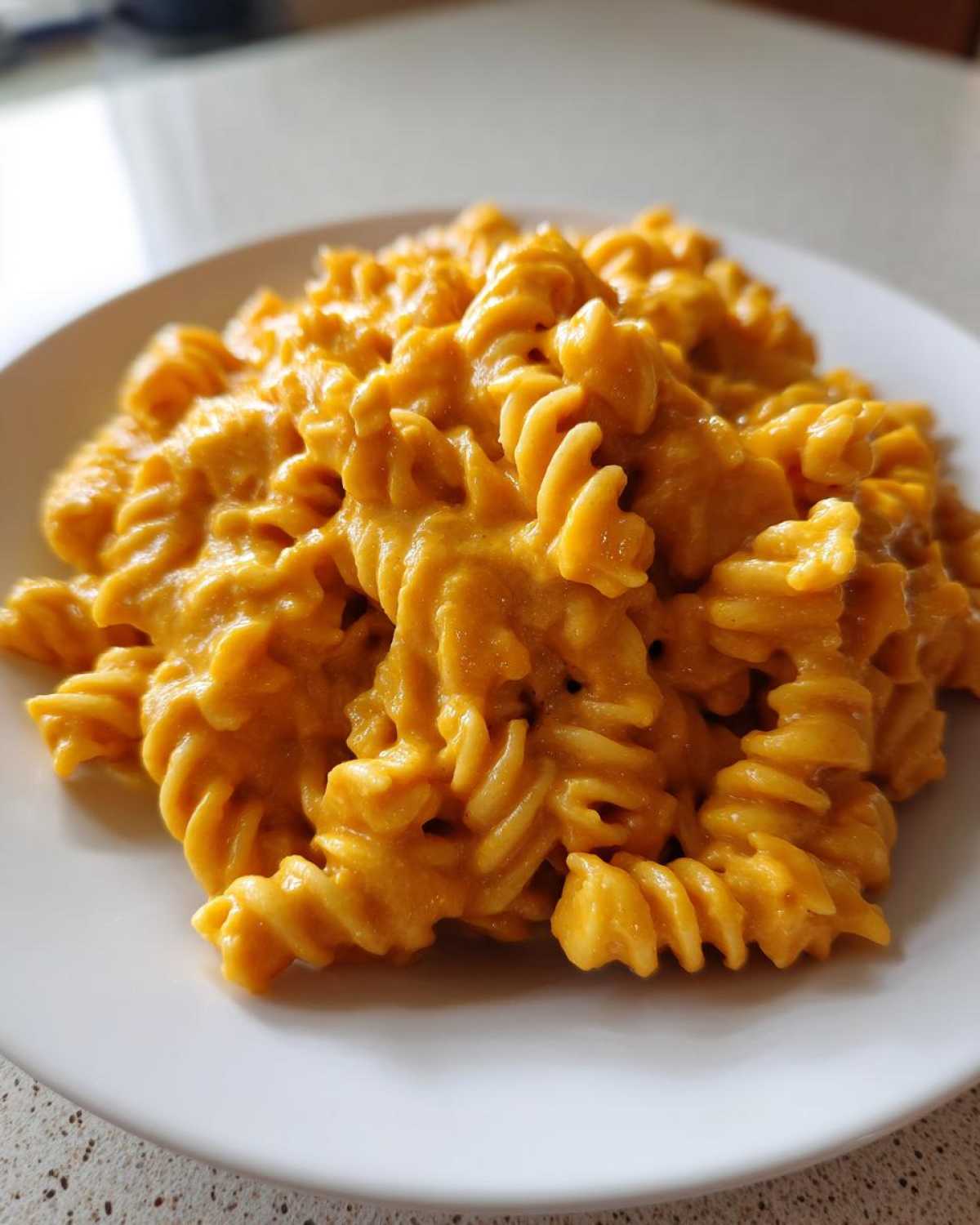
Why This Roasted Butternut Squash Pasta Sauce Recipe Shines
What makes this different from all the other orange sauces out there? Simple: depth of flavor is number one. We’re not just boiling squash here; we’re roasting it until the sugars caramelize. This unlocks that signature, cozy taste that makes all the best fall pasta recipes so amazing.
- It’s rich, but surprisingly light—no heavy cream required!
- The color is just gorgeous—bright, warm, and inviting.
Achieving Ultimate Creaminess in Your Butternut Squash Pasta Sauce
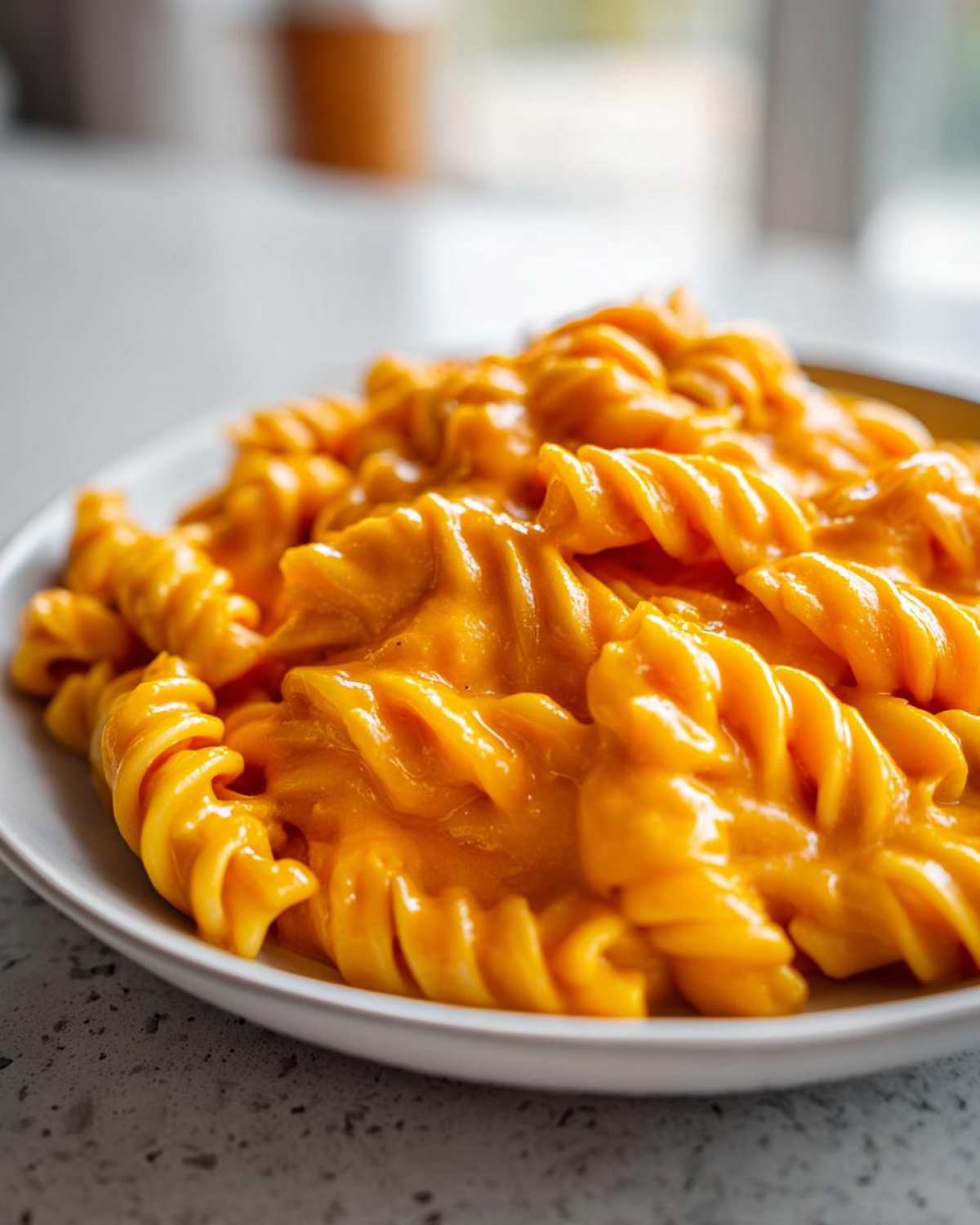
The texture goal here is definitely that luxurious, velvety squash sauce finish. We get that amazing mouthfeel just by roasting the flesh until it’s totally soft and then using a good blender. Roasting breaks down the fibers perfectly, so blending turns it into liquid gold. No lumps allowed!
Tips for the Best Roasted Squash Sauce Flavor
You absolutely must roast your squash first if you want the real deal. Boiling squash steam cooks it, which tastes watery. Roasting lets those sugars concentrate and deepen. When you pair that roasted flavor with sautéed sage and onion, every spoonful of your butternut squash pasta sauce tastes like autumn magic. That one step makes all the difference!
Essential Ingredients for Creamy Butternut Squash Pasta Sauce
When you gather your ingredients for this luxurious sauce, remember we are building layers of fall flavor—it matters what you choose! Don’t just eyeball these amounts; this Butternut Squash Sauce Recipe thrives on a good measurement foundation. I’ve included a few notes based on what I learned through disastrous watery sauce attempts!
You’ll need:
- One medium butternut squash—the star! Make sure it’s about 3 pounds before you hack it open.
- Olive oil, two tablespoons total, divided. Don’t skimp on the oil for roasting; it helps develop that delicious crust.
- One small yellow onion, chopped finely. We want these nice and soft before we blend them in.
- Garlic, minced. Two cloves should do it, but if you love garlic like I do, maybe dice three!
- Vegetable broth, one cup. This is our binder!
- Coconut milk (full-fat!) OR heavy cream. This is the magic for richness. If you’re keeping it totally vegan, the full-fat coconut milk is amazing, and you seriously won’t taste the coconut at all, promise! Grab that rich alternative.
- Nutritional yeast, 1/4 cup if you want that subtle, savory, cheesy kick. This is crucial for making it taste less like soup and more like proper pasta sauce.
- Dried sage, one teaspoon. Sage and squash are soulmates, seriously.
- Salt and pepper, to taste. Start with 1/2 teaspoon salt and 1/4 teaspoon pepper, then adjust after blending.
- A whole pound of whatever pasta shape makes your heart happy.
Seriously, the quality of your coconut milk or cream makes or breaks how wonderfully thick and luxurious your Creamy Pasta Sauce turns out. Go for the good stuff here!
Step-by-Step Guide: How to Make Butternut Squash Pasta Sauce
Okay, here’s where the magic really happens! Cooking gets organized, and we turn those raw ingredients into that gorgeous, hug-in-a-bowl dinner. I always lay out my tools before I even touch the squash so I don’t panic when things start really moving. Follow these steps exactly, and you won’t go wrong making this amazing butternut squash pasta sauce.
Roasting the Squash for Your Butternut Squash Pasta Sauce
First things first: we need tender squash! Preheat your oven to a nice hot 400°F (200°C). Grab your squash, slice it right down the middle lengthwise—watch those fingers! Scoop out all those stringy seeds; I usually just use a good sturdy spoon. Rub the cut sides with just one tablespoon of olive oil, a little salt, and pepper. Lay them cut-side down on a baking sheet. They need 35 to 45 minutes in there until they are completely soft. An expert tip? When you can pierce the thickest part with just a fork wiggle, they are done! We roast even things like sweet potatoes this way; check out how I do crispy caramelized sweet potatoes for flavor inspiration. Let the squash cool just enough so you can handle it, then scoop all that lovely, sweet flesh right out of the skin. That’s your base puree!
Building the Flavor Base for the Roasted Squash Sauce
While that squash is roasting away, we build the background flavor. In a saucepan over medium heat, melt the last bit of olive oil—just one tablespoon. Toss in your chopped onion and let it cook until it gets translucent and soft, which usually takes about five minutes. You want them sweet, not brown! Now, toss in the minced garlic and that dried sage. You only cook this combination for about sixty seconds. It’ll smell incredible! Don’t let the garlic burn; it gets bitter fast, and we are trying to achieve deep flavor for our butternut squash pasta sauce, not bitterness.
Blending the Ultimate Creamy Butternut Squash Pasta Sauce
Everything goes into the blender now! Add the scooped squash flesh, the cooked onion/garlic mix, your vegetable broth, your creamy element (coconut milk or cream), the nutritional yeast if you’re using it, and the rest of your salt and pepper. Blend it on high until it is flawlessly smooth. If you’re using a regular blender instead of a super-speedy one, you might want to gently push that mixture through a fine-mesh sieve afterward—it makes the texture next-level! If your butternut squash pasta sauce looks too stiff, stream in a little more broth or even some reserved starchy pasta water until it flows nicely.
Combining Pasta and Serving Your Easy Butternut Squash Dinner
Time to cook your favorite pasta! Once it’s done, drain it but remember to cheat—reserve about half a cup of that cloudy starchy water before you dump it. Put the drained pasta back into the hot pot. Now pour that beautiful, creamy sauce right over the top. Toss everything really well. If it seems like it’s clinging too tightly, add a splash of that reserved pasta water until everything is coated perfectly. This creates a really satisfying Simple Weeknight Pasta dish ready in an hour!
Tips for Success with Your Homemade Pasta Sauce
Listen, even with the best recipe for butternut squash pasta sauce, things can go a little sideways in the kitchen—that’s just life! I remember one time I added too much coconut milk, and my sauce was practically soup. Oops! I panicked a bit, but then I remembered one of the notes: you can boost thickness by adding a touch more nutritional yeast or even blending in a few extra roasted squash pieces. Stir it in slowly, and it thickens right up!
Another huge win is the make-ahead potential. Trust me on this one: this sauce freezes like a dream! Make a double batch when you’re enjoying the oven being on in the fall, cool it completely, and pop it into an airtight container. When you reheat it later, you might need a tiny splash of water or broth to loosen it back up—maybe a teaspoon—but it keeps that amazing flavor locked in for months. If you want more wonderful inspiration for making things ahead, you have to check out how I make my best homemade chocolate chip cookies!
So don’t stress if it’s a little thick or thin right after blending; a splash of liquid or a bit more blending time fixes almost anything when dealing with this great Roasted Squash Sauce.
Variations on the Butternut Squash Pasta Sauce Recipe
While I think my core recipe is pretty darn close to perfect for a cozy meal, I totally understand that everyone’s kitchen operates a little differently! Sometimes you need a kick, and sometimes you need to make sure it fits specific dietary needs. This Butternut Squash Sauce Recipe is so flexible, which is part of why I love it so much.
Here are a couple of simple ways my family adjusts things when we’re looking beyond the standard preparation. You can sneak these little tweaks into the blending stage!
Spice It Up: Adding Heat to Your Sauce
If you’re anything like my brother-in-law, you think anything tastes better with a little fire! For a truly spicy take, just toss in a small pinch of red pepper flakes when you’re sautéing the garlic and sage. Start small—maybe just an eighth of a teaspoon—because that heat really concentrates once it blends up. If you really want to commit to the heat, you could even throw in half a seeded jalapeño when you roast the squash. That roasting mellows the heat just enough so it doesn’t overwhelm the sweetness of the squash.
Making it a Vegan Butternut Squash Sauce Powerhouse
This variation is awesome because nobody realizes it’s dairy-free! If you are steering clear of cream entirely, you already know we use full-fat coconut milk, which does about 90% of the heavy lifting for richness. But to really nail that savory, cheesy note that people often miss in a Vegetarian Pasta Sauce, pump up that nutritional yeast! Instead of 1/4 cup, try using 1/3 cup. Sometimes I even add a teaspoon of Dijon mustard during the blend—it sounds weird, but it adds a tang that completely tricks your brain into thinking there’s aged cheese in there. It makes fantastic vegetarian pasta sauces.
Herb Swaps for a Brighter Flavor Profile
Sage is traditional, and I adore it, but sometimes I crave something brighter, especially if I’m serving this in early fall before it gets too cold. Swap out the dried sage completely and use fresh rosemary instead. You’ll only need about a teaspoon of the finely chopped needles. Rosemary is strong, so mince it up finely and toss it in with the garlic. It gives the entire dish a more woodsy, earthy profile, which pairs beautifully with the sweet roasted squash sauce.
Serving Suggestions for This Cozy Dinner Idea
Now that you’ve got this gorgeous, soul-warming sauce, you might be wondering what to do with it besides just pouring it over whatever spaghetti you have lying around! While this Creamy Pasta Sauce works on almost anything, the texture really sings when you match it with the right shape. Don’t be afraid to get creative, because this is peak comfort food time!
Here are a few of my favorite ways to turn this into a full-on celebration of autumn on a plate, creating true Comfort Food Pasta Dishes.
Pasta Shapes That Hold the Sauce Best
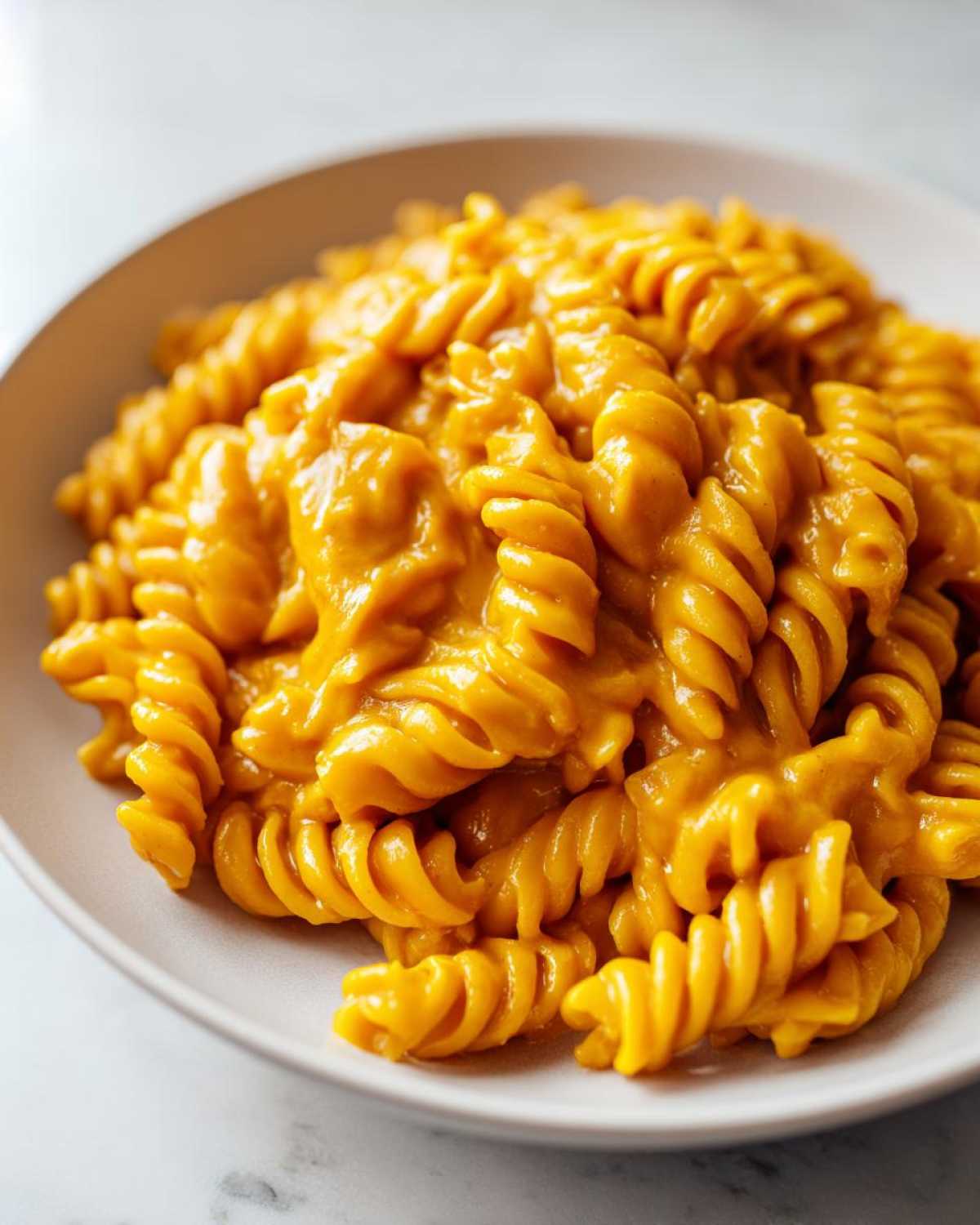
Since this sauce is thick and clinging—that’s what we want!—you need pasta shapes with ridges, tubes, or substantial curves to trap all that velvety goodness. My top vote goes to Rigatoni. Those big tubes get sauce inside and out! Penne is also a fantastic choice for the exact same reason. If you’re feeling a little fancier, try using Cavatappi; its corkscrew shape is great for catching every bit of the seasoning.
Not Just for Pasta: Alternate Ways to Serve
You don’t even have to use dried pasta, truly! This sauce is heavenly served over potato gnocchi. When you toss the soft, pillowy gnocchi into the warm sauce, they soak up the flavor beautifully. It’s maybe the coziest thing you can eat all year. If you’re serving this to company and want to bulk it up a bit, you can thicken it slightly, use it as a base sauce for baked ziti, or even drizzle it over roasted vegetables like Brussels sprouts or cauliflower!
Protein Pairings
If you’re looking to add some protein to round out the meal—and let’s be honest, sometimes you just need a hearty main course—this sauce pairs incredibly well with simple proteins. I love stirring in some crumbled, pan-seared Italian sausage (pork or chicken works!). If you’re keeping it vegetarian but need something substantial, tossing in some lightly sautéed mushrooms or mixing in toasted pecans right before serving adds a required chewy texture.
Storage and Reheating Your Butternut Squash Pasta Sauce
Let’s talk about leftovers, because honestly, sometimes this sauce tastes even better the next day! Since we kept the ingredients clean and focused on natural richness, your butternut squash pasta sauce stores beautifully. You definitely want to follow the instructions I mentioned in the notes about cooling it down first, though. Never put piping hot sauce directly into an airtight container and immediately into the fridge; that invites trouble!
For the fridge, just pop the cooled sauce into a good container—glass jars are my favorite—and it lasts easily for four or five days. It thickens up significantly once chilled, which is normal! It basically turns into a very thick, orange pudding. When you go to reheat it, you’ll want to stir in a little liquid to bring it back to that perfect, saucy consistency. I usually start with a tablespoon of fresh vegetable broth or just plain water.
Making it Last Longer in the Freezer
This is the real secret weapon for busy weeks: freezing. If you’ve made a giant batch, divide the cooled sauce into freezer-safe bags or containers. You can freeze it flat in those bags for easy stacking—it saves so much room! Remember, this Roasted Squash Sauce freezes for up to three months. That means you can have emergency weeknight dinners ready to go!
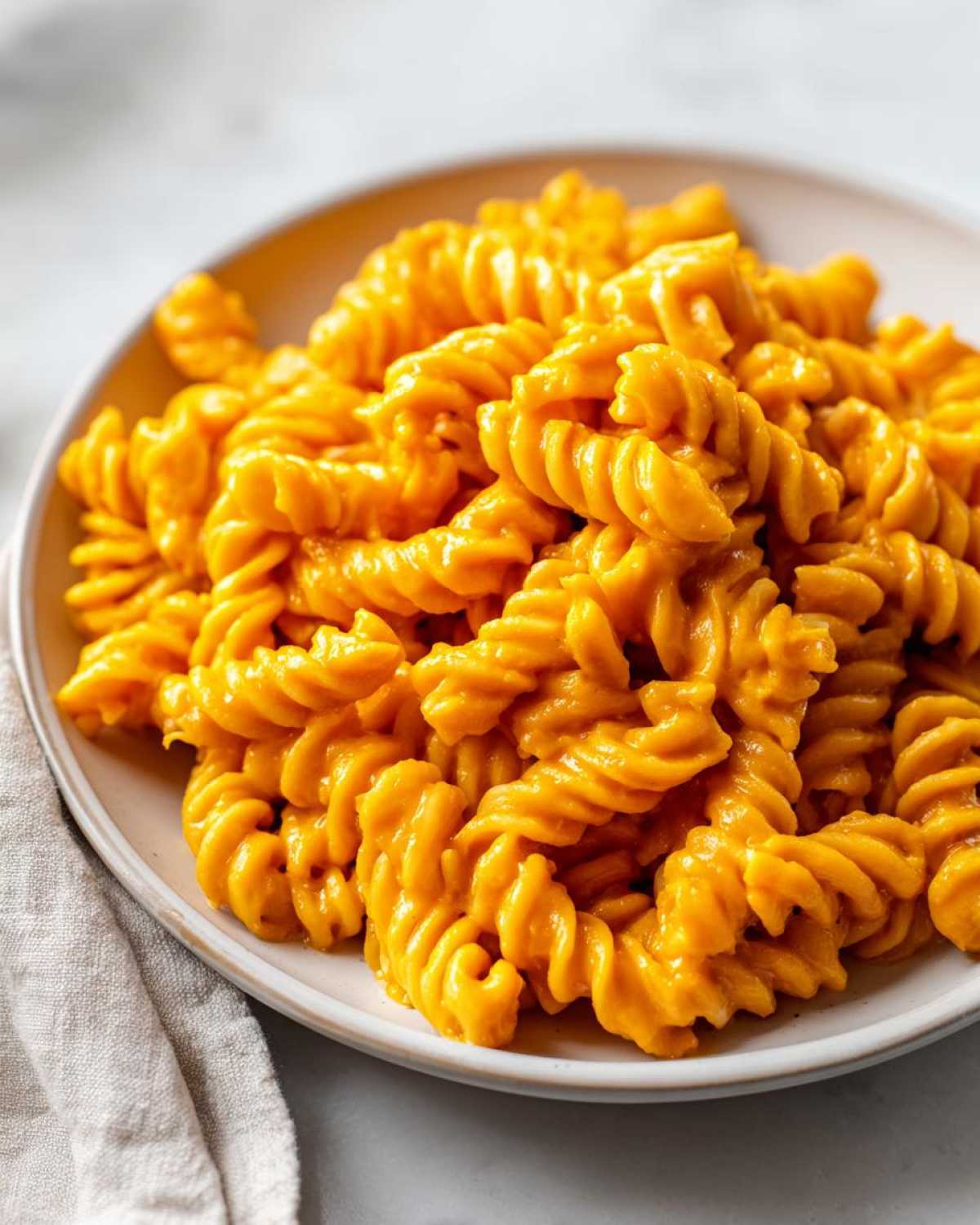
The Reheating Process
When you decide it’s time to enjoy your frozen sauce, the best way to thaw it is slowly in the refrigerator overnight. Then, just transfer it to a saucepan over low heat. Stir constantly and slowly add back that reserved starchy pasta water or broth until it’s loose and coats a spoon beautifully. If you’re in a rush, you can technically thaw it in the microwave on the defrost setting, stopping every minute to stir aggressively. Just make sure it’s piping hot all the way through before you toss it with your fresh pasta. If you want more storage tricks, I have some great ones for my old-fashioned creamy rice pudding that apply here too!
Frequently Asked Questions About Butternut Squash Pasta Sauce
I get so many messages after people try this recipe, and that’s the best part! You all have such clever questions about how to adapt it or what went wrong when things didn’t turn out perfectly smooth. Here are the answers to the ones I hear most often about making the perfect butternut squash pasta sauce.
Can I skip roasting the squash for this butternut squash pasta sauce?
Oh, you totally *can*, but I really, really advise against it if you want the true flavor! If you just boil or steam the squash, you end up with a perfectly smooth butternut squash puree sauce, sure, but you lose all that beautiful, concentrated sweetness. Roasting creates caramelization, which is the deep, nutty flavor you taste in the final product. Skipping roasting results in a much milder, almost watery flavor, and honestly, it’s not worth the shortcut!
How do I make this a Dairy Free Pasta Sauce?
This is one of my favorite things about this recipe—it’s so naturally adaptable! To keep it completely dairy-free, you simply stick with the full-fat coconut milk instead of heavy cream. That fat content is what creates the richness. And seriously, don’t skip the nutritional yeast! That yeast makes it taste incredibly savory and almost cheesy, helping convert this into a fantastic Dairy Free Pasta Sauce without any dairy products at all.
What is the best pasta shape for this Roasted Squash Sauce?
Because this Roasted Squash Sauce is so thick and velvety, it loves pasta shapes that can really grab onto it! Anything tubular or ridged is a winner. I always lean towards Rigatoni because the sauce gets trapped inside the tubes, giving you a big flavor punch in every bite. Penne or even Campanelle (those ruffled cones!) work great, too. Thin pastas like angel hair just don’t do the sauce justice, in my opinion!
If you want more guidance on all my favorite ways to cook, pop over to my main blog page anytime!
Rate This Ultimate Creamy Roasted Butternut Squash Pasta Sauce
Okay, now it’s your turn! I’ve shared all my little secrets and tips for getting that perfect, velvety texture in this butternut squash pasta sauce. I truly hope it brings that cozy autumn feeling right into your dining room, just like it does mine!
I would absolutely love, love, love to know what you thought! Once you’ve made a batch of this Creamy Pasta Sauce, please take a moment to come back and rate it using the stars below—one star if it was a disaster, five stars if you’re already planning your second batch this week! (We all know that happens with good recipes!)
Did you try the coconut milk or the cream? Did you add those red pepper flakes for a little kick? Tell me everything in the comments section below! And seriously, if you snap a picture of your beautiful, orange-coated pasta, please share it! Tag me so I can see your amazing work. Connecting with you all keeps me inspired to keep testing recipes like this one!
If you have any questions at all while you are cooking, or if you want to share photos of your finished plate, you can always drop me a line over on my contact page. Happy cooking, my friends!
PrintUltimate Creamy Roasted Butternut Squash Pasta Sauce
Make a rich, velvety, and comforting pasta sauce using roasted butternut squash. This recipe is easy to prepare and makes a great vegetarian fall dinner.
- Prep Time: 15 min
- Cook Time: 45 min
- Total Time: 60 min
- Yield: 4 servings
- Category: Dinner
- Method: Roasting and Stovetop
- Cuisine: American
- Diet: Vegetarian
Ingredients
- 1 medium butternut squash (about 3 lbs)
- 2 tablespoons olive oil, divided
- 1 small yellow onion, chopped
- 2 cloves garlic, minced
- 1 cup vegetable broth
- 1/2 cup full-fat coconut milk (or heavy cream for non-vegan)
- 1/4 cup nutritional yeast (optional, for cheesy flavor)
- 1 teaspoon dried sage
- 1/2 teaspoon salt
- 1/4 teaspoon black pepper
- 1 pound pasta of your choice
Instructions
- Preheat your oven to 400°F (200°C). Cut the butternut squash in half lengthwise and scoop out the seeds. Rub the cut sides with 1 tablespoon of olive oil, salt, and pepper. Place cut-side down on a baking sheet.
- Roast the squash for 35 to 45 minutes, or until fork-tender. Let it cool slightly, then scoop the flesh out of the skin. You should have about 2 cups of squash puree.
- While the squash roasts, heat the remaining 1 tablespoon of olive oil in a saucepan over medium heat. Add the chopped onion and cook until soft, about 5 minutes.
- Add the minced garlic and dried sage to the saucepan. Cook for 1 minute until fragrant.
- Transfer the roasted squash flesh, cooked onion and garlic mixture, vegetable broth, coconut milk (or cream), nutritional yeast (if using), salt, and pepper to a high-speed blender.
- Blend until the sauce is completely smooth and creamy. If the sauce is too thick, add a splash more broth or water until you reach your desired consistency.
- Cook your pasta according to package directions. Drain the pasta, reserving about 1/2 cup of the starchy cooking water.
- Return the drained pasta to the pot. Pour the butternut squash sauce over the pasta. Toss to coat, adding reserved pasta water as needed to thin the sauce slightly. Serve immediately.
Notes
- For a deeper roasted flavor, you can roast the squash a day ahead of time.
- If you do not have a high-speed blender, press the sauce through a fine-mesh sieve after blending for an extra velvety texture.
- This sauce freezes well. Cool completely before storing in an airtight container for up to 3 months.
Nutrition
- Serving Size: 1 serving (about 1 cup sauce + 4 oz pasta)
- Calories: 450
- Sugar: 10
- Sodium: 450
- Fat: 18
- Saturated Fat: 10
- Unsaturated Fat: 8
- Trans Fat: 0
- Carbohydrates: 65
- Fiber: 8
- Protein: 15
- Cholesterol: 0