

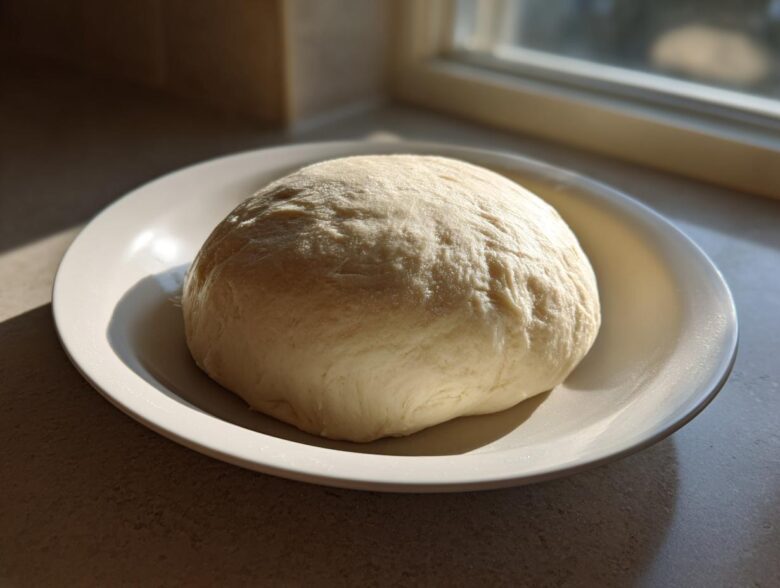
Listen, if there’s one thing that instantly transports me back to my Auntie Ama’s kitchen, it’s that comforting, savory smell of real West African goodness. I remember the first time I tried making fufu. Oh boy, was it a disaster—lumpy, stiff, and nowhere near that beautiful, smooth dough I was hoping for! But don’t you worry about my messy start because I figured out the secret. I’m going to show you my super simple, beginner-friendly guide so you can master authentic fufu right now, even if you’ve never touched a pot of African food before. Forget the hard labor; we’re making magic happen easily!
What is fufu and Why is This fufu Recipe Perfect for Beginners?
So, what exactly is fufu? It’s more than just a side dish; it’s a staple! In many parts of West Africa, fufu falls into a category we call ‘swallow food.’ That’s right, you scoop up your favorite stew or soup with a piece of the dough and swallow it—no, you don’t chew much! It acts as the perfect, slightly starchy sponge for all those rich flavors. It’s the ultimate African Comfort Food.
Traditionally, making this stretchy dough involved hours of pounding boiled yams or cassava by hand, and honestly, it’s exhausting work! My Auntie Ama used to swear her arm ached for days afterward. But that’s where this recipe steps in to save the day.
Because we are using instant fufu flour, learning how to make fufu goes from a full-day marathon to a breezy 15-minute sprint. This simple method lets you enjoy authentic West African Cuisine without the heavy lifting. Trust me, for anyone new to Traditional African Recipes, grabbing that instant cassava or yam flour is the easiest way to nail that perfect dough texture on your very first try.
Essential Ingredients for Perfect fufu
Okay, don’t panic! This section is so simple, which is why this fufu recipe is amazing for everyone. We aren’t messing around with peeling and boiling yams for hours today. For this quick dough, you just need three things, but quality counts!
You absolutely have to use instant fufu flour—look for the kind made from cassava or yam. That’s our secret weapon for that quick, smooth result. We need two cups of that flour, and three cups of plain water. I usually add just a tiny pinch of salt, but Auntie Ama always left it out since the soup does all the seasoning work later. If you’re keen on exploring other great Cassava Recipes later, grab a good quality instant brand!
Step-by-Step Guide: How To Make fufu Dough
This is where the action happens, so grab your sturdiest wooden spoon for this—you’ll need the muscle! We’re aiming for that signature stretchy dough that just melts in your mouth when you finally pair it with your stew. Remember, constant motion is your best friend here to avoid those nasty dry lumps that ruin a good batch of fufu.
Preparing the Base Liquid for fufu
First things first, get your three cups of water into a medium saucepan. We’re putting this over medium-high heat to bring it to a full, rolling boil. Don’t walk away! Once it’s just bubbling happily, immediately drop the heat down to low. We don’t want runaway boiling water; we need gentle heat for the next step.
Mixing and Developing the Stretchy Dough Consistency of fufu
Now, slowly, slowly, sprinkle in about a quarter of your instant fufu flour while you stir constantly and aggressively. Seriously, stir like you mean it! You’ll notice it starts thickening almost immediately into a loose paste. Keep stirring until that’s smooth.
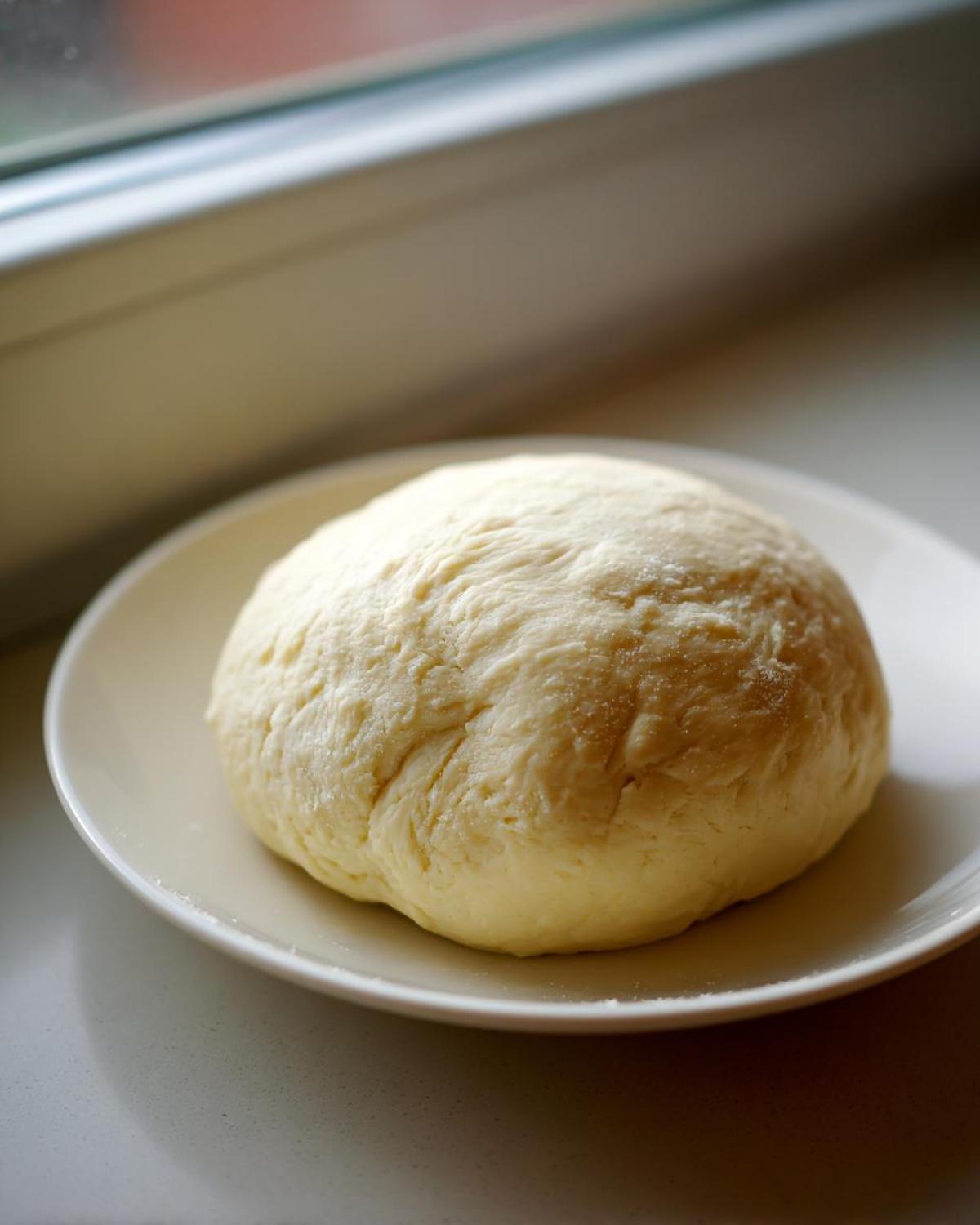
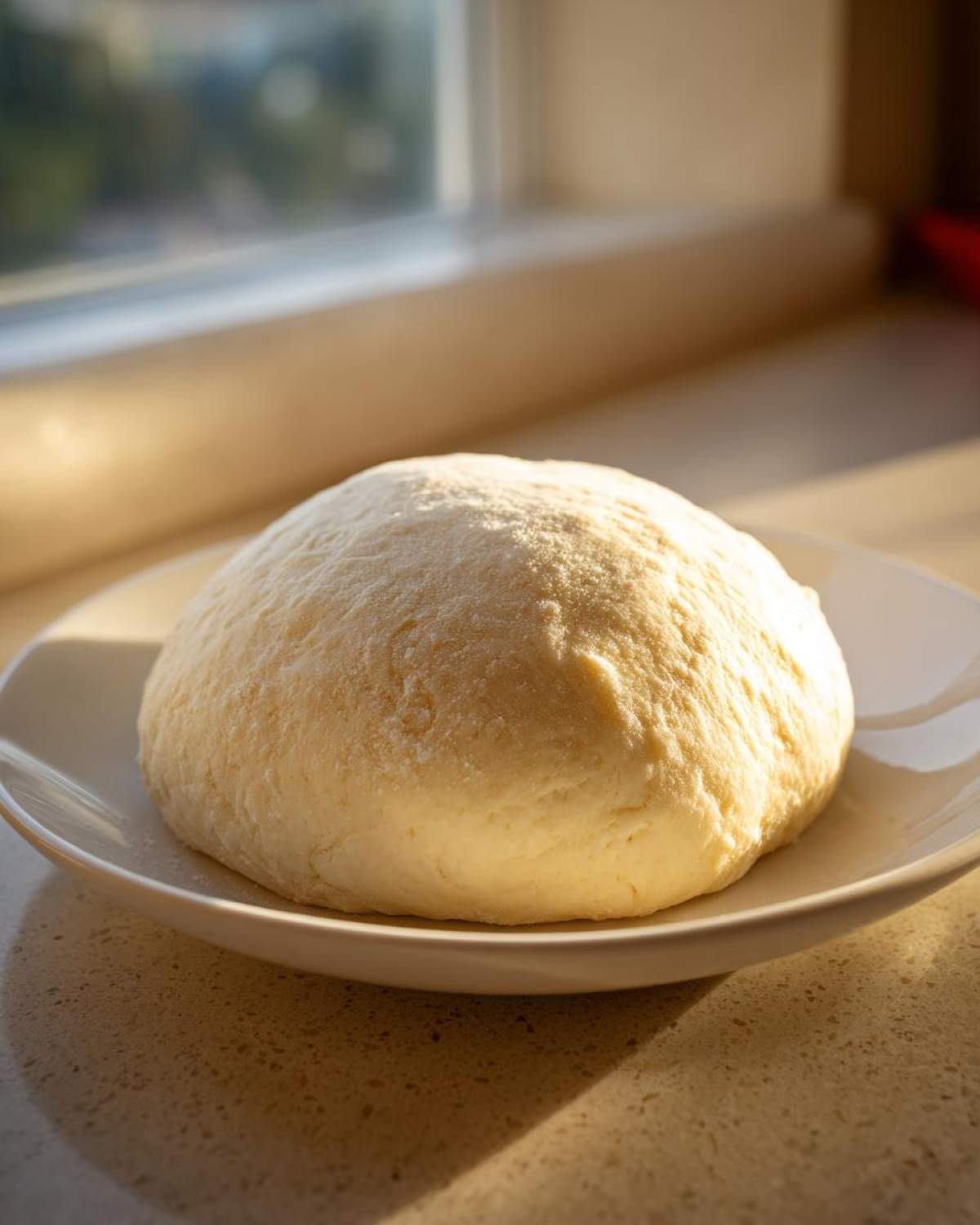
Next, add the rest of the flour gradually. As you stir, you need to be physically pressing that developing dough firmly against the sides of your pot. We are aiming to eliminate any dry pockets. Keep stirring and folding this mixture for a good five to seven minutes. When it’s right, you’ll have a smooth, cohesive ball of homemade fufu dough that pulls away neatly from the edges of the pan. If, after all that work, you feel it’s a bit too stiff for scooping—which happens!—just splash in a tiny bit of hot water, keep mixing hard, and work it until it’s soft enough for you. You can find more tips on this whole process over at How To Make Fufu on our main page!
Expert Tips for Achieving Smooth fufu Texture
Now that you’ve seen the basic steps for your fufu recipe, let’s talk about the finishing touches because the difference between alright fufu and *amazing* fufu is all in the details. Think of these tips as my little secrets for helping you master the art of Beginner African Cooking!
First up: the tool! You absolutely need a wooden spoon or a very sturdy spatula. When that dough gets thick, a regular whisk or flimsy plastic turner is going to cry uncle on you. You need something strong to really press and fold that dough against the pot to get that silky texture.
When it comes time to scoop out those perfect little balls of fufu, wet your hands slightly. Don’t soak them, just damp! This seemingly small trick stops the hot, sticky dough from clinging to your fingers. It makes shaping those smooth portions so much easier.
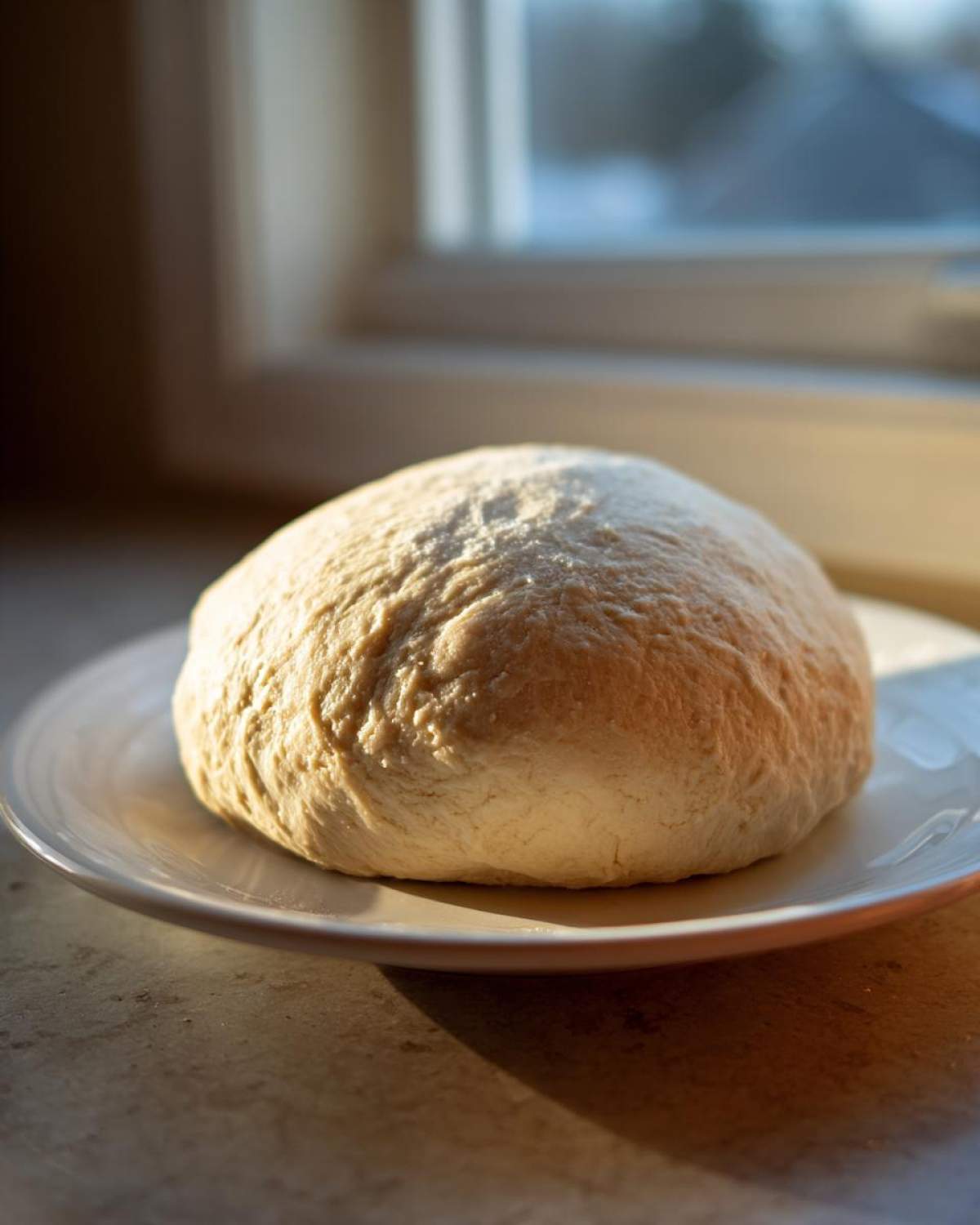
One last thing: even though we are using instant flour, know that if you ever decide to try pounding yam or using fermented cassava paste, the texture will be richer. If you are starting out, stick with the instant! It gives you a fantastic, authentic result every single time you make this wonderful swallow food.
Authentic African Dishes: fufu and Soup Pairings
You’ve done the hard work, and now you have this gorgeous, smooth ball of fufu. Congratulations! But the best part is what comes next: serving it up with the perfect accompaniment. In West African Cuisine, the fufu itself is mostly a vehicle—it’s the perfect neutral, satisfying base that lets the main dish shine.
When I serve my fufu, it absolutely has to be with a soup that’s hearty and full of flavor. Nothing beats the classic pairing with Egusi Soup; the melon seeds create this wonderful, rich texture that clings perfectly to the fufu. If you check out some classic Traditional African Recipes, you’ll see Egusi listed everywhere as the number one partner.
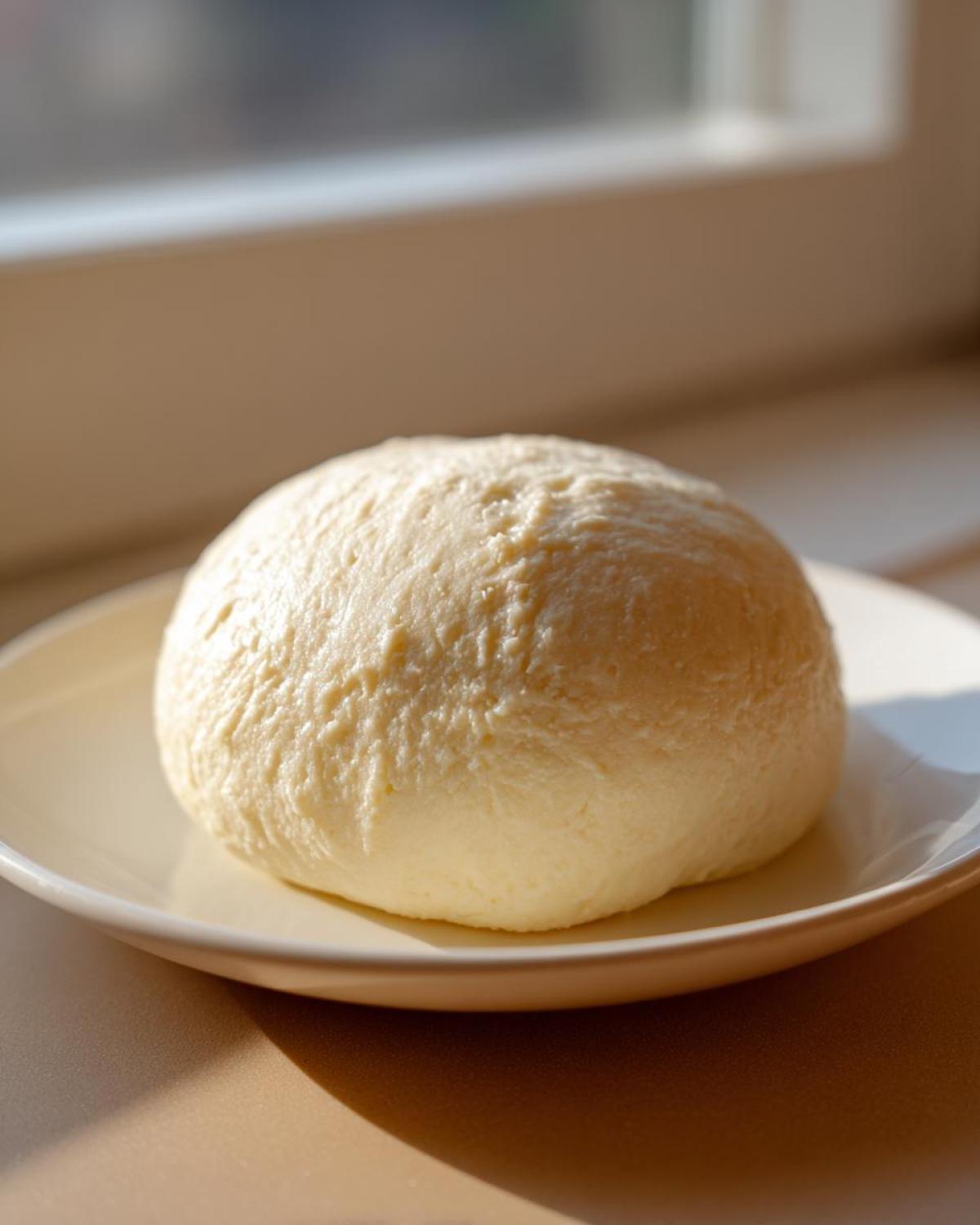
Another absolute must-try is Light Soup—it’s so flavorful and often made with fish or meat. You take a little piece of your fufu, make a small indentation with your thumb, scoop up a generous amount of the meat and soup, and then, well, you swallow! It’s such a satisfying way to eat. This technique is what makes fufu such an iconic staple for family dinners and celebrations across the continent.
Storage and Reheating Instructions for Leftover fufu
Now, unless you have a huge family ready to eat five pounds of dough in one sitting, chances are you’ll have some leftover fufu. And trust me, we absolutely want to save it! This dough holds up really well, which is why it’s fantastic for Meal Prep African Staples.
Store any leftover fufu dough tightly wrapped in plastic wrap or in an airtight container in the fridge. It’s good for about three days max.
When you’re ready to eat it again? Do not microwave it! You want to gently reheat it over low heat on the stovetop. Add a tiny splash of hot water—just a spoonful—and keep stirring and kneading it until it smooths out again. It will come right back to that soft, scoopable consistency. Easy peasy!
Frequently Asked Questions About Making fufu
I know when you’re trying something new, especially something as beloved as fufu, you’re going to have questions bubbling up! I always did. I’ve collected the ones I hear most often from folks trying this fufu recipe for the first time. Hopefully, this clears everything up so you can get back to your delicious soup!
Can I use regular all-purpose flour instead of instant fufu flour?
Oh, please don’t try that! I know it seems like you could just swap it out, but nope. Regular wheat flour creates a gluey, heavy dough that just won’t have the right texture. This method relies on the specific starch structure of cassava or yam flour to get that signature smooth, stretchy dough we love. Stick to the instant fufu flour for this quick version!
How do I know when the fufu is perfectly done mixing?
This is a great question about identifying doneness! You’ll know your fufu is ready when you’ve been stirring vigorously for those 5-7 minutes, and the dough ball pulls completely away from the sides of your pot. It should look smooth, uniform, and feel firm but still pliable when you test it with your spoon. If it’s still slumping or sticking to the bottom everywhere, it needs another minute or two of that hard work!
Is this homemade fufu dough recipe gluten-free?
Yes, it absolutely can be, and this is fantastic news for serving friends with dietary needs! Since our primary ingredient is instant flour derived from cassava or yam, this recipe naturally avoids wheat. If you are committed to keeping it completely gluten free african bread-wise, just double-check the packaging on your instant flour to be 100% sure there hasn’t been any cross-contamination during milling. For true African Food lovers, this is often a go-to naturally gluten-free staple!
Can I use this recipe if I want to make pounded yam instead?
Not exactly, honey. Pounded yam is achieved by physically pounding fresh or pre-pounded yam paste, which gives it a slightly different elasticity. Our instant flour method is a wonderful shortcut for that authentic taste experience, but if you want true pounded yam texture, that involves a machine or a mortar and pestle! This recipe is the best for easy, delicious swallow food.
Understanding the Nutritional Value of fufu
It’s always good practice to know what you’re eating, even when you’re indulging in pure comfort food like this amazing fufu! Since we used that convenient instant flour, the values are usually quite stable, but please remember these are just estimates based on the ingredients list provided earlier.
For one perfect ball of dough, you’re looking at about 250 calories. It’s wonderfully low in fat—only about half a gram!
The bulk of the nutrition comes from carbohydrates, clocking in around 58 grams, which is what gives you that sustained energy boost. It also offers about 2 grams of protein and 2 grams of fiber. Because we skipped the salt during mixing, the sodium is very low. It’s just clean, satisfying energy ready for dipping into your favorite stew!
Share Your Homemade fufu Experience
Alright, now it’s your turn to join the fufu making club! I’ve shared every little secret I know for getting that perfect, smooth, stretchy dough using the easy method. But what I really want to know is how it turned out for *you* in your kitchen.
Did everything go smoothly with the stirring? More importantly, what incredible West African soup did you pair your delicious, homemade fufu dough with? Was it a spicy Egusi Soup accompaniment? Or maybe a classic Light Soup?
I’d absolutely love for you to pop down to the comments below and tell me all about your experience. Rate the recipe—five stars if you’re as addicted as I am! And if you snapped a picture of your beautiful dish ready to eat, please share it around! Tag us so we can see your incredible results mastering this fundamental part of African Food. You can check out more amazing recipes over at the main blog!
PrintEasy West African Fufu Dough

Learn to make smooth, traditional West African Fufu using instant flour, perfect for pairing with soups and stews.
- Prep Time: 5 min
- Cook Time: 10 min
- Total Time: 15 min
- Yield: 4 servings
- Category: Side Dish
- Method: Stovetop Cooking
- Cuisine: West African
- Diet: Vegetarian
Ingredients
- 2 cups instant fufu flour (cassava or yam based)
- 3 cups water
- Pinch of salt (optional)
Instructions
- Place the water in a medium saucepan and bring it to a boil over medium-high heat.
- Once the water boils, reduce the heat to low.
- Slowly sprinkle about 1/4 of the fufu flour into the boiling water while stirring constantly with a wooden spoon or sturdy spatula.
- Continue stirring vigorously until the mixture thickens slightly and forms a loose paste.
- Add the remaining fufu flour gradually, stirring continuously and pressing the dough against the sides of the pot to ensure no dry lumps remain.
- Continue stirring and folding the dough for about 5 to 7 minutes until it forms a smooth, firm, and cohesive ball that pulls away cleanly from the sides of the pot.
- If the dough is too stiff, add a tablespoon of hot water at a time and continue mixing until you reach your desired soft, stretchy consistency.
- Remove from heat. Wet your hands slightly and shape the fufu into small, smooth balls.
- Serve immediately with your favorite West African soup, such as Egusi or Light Soup.
Notes
- For a more traditional texture using fresh ingredients, you can substitute the instant flour with pounded yam or fermented cassava paste, adjusting the cooking time as needed.
- Always use a sturdy wooden spoon or spatula, as the dough becomes very thick and requires firm mixing.
- Keep your hands slightly wet when shaping the balls to prevent sticking.
Nutrition
- Serving Size: 1 ball
- Calories: 250
- Sugar: 1
- Sodium: 5
- Fat: 0.5
- Saturated Fat: 0
- Unsaturated Fat: 0.5
- Trans Fat: 0
- Carbohydrates: 58
- Fiber: 2
- Protein: 2
- Cholesterol: 0