

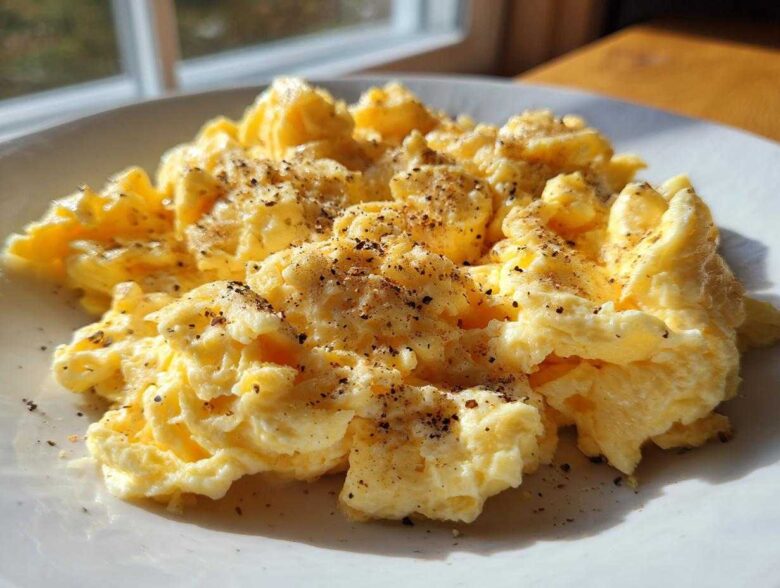
Oh, the eternal breakfast struggle! We’ve all been there, haven’t we? You stand over the stove, whisking away, only to end up with eggs that are either rubbery and dry or watery and disappointing. I spent years fighting with my skillet trying to master the perfect texture. Forget everything you think you know about cooking eggs quickly; the secret to truly achieving the ultimate fluffy AND creamy scrambled eggs is actually slowing down. Seriously! This low and slow method is what separates the amateur scramble from the gourmet breakfast experience. After countless attempts (and yes, a few burnt batches), I finally nailed the technique that gives me that gorgeous, velvety result every single time I make them. Trust me, this simple shift in technique is a game-changer for your breakfast routine.

Why This Low & Slow Technique Makes the Best Scrambled Eggs
When you crank the heat up for scrambled eggs, you’re basically signaling the egg proteins to panic and squeeze out all the moisture they’re holding! That’s why high-heat scrambles turn into hard flakes so fast. It’s the absolute opposite of what we want here. We are aiming for both fluffiness *and* creaminess, which sounds tough, but it’s all about gentle persuasion.
By keeping things on low to medium-low heat, you give those proteins time to gently link up into soft, luxurious curds instead of locking down tight. This patience is the secret sauce to mastering egg texture. I promise you, taking that extra five minutes is worth it if you want eggs that feel rich and gourmet, not just quickly cooked.
Achieving Velvety Scrambled Eggs Every Time
Velvety is the word I live by when it comes to eggs. When the heat is too intense, the proteins seize up immediately, leaving you with a dry, spongy outside before the middle even sets. Gentle heat lets the eggs cook evenly from the outside in. It’s this slow process that traps tiny pockets of steam and fat, giving you that melt-in-your-mouth, impossibly smooth finish. It’s science, but delicious science!
Gathering Ingredients for Fluffy Scrambled Eggs Recipe
Okay, prepping for these scrambled eggs is honestly faster than deciding what to wear! Because we are cooking low and slow, we don’t need a massive quantity of eggs—this recipe is perfect for a solo brunch or a quick weekday fix. Remember, the quality of your ingredients really shows through when you cook them this gently. You only need a few things, but precision matters here. Keep everything measured out before you even think about turning the stove on!
Ingredient Notes and Substitutions
The liquid you use is actually really important for texture. I always go for whole milk or heavy cream; the fat content helps stabilize the proteins and makes them incredibly rich. If you’re looking for a surprise protein boost, try skipping the milk and using one tablespoon of cottage cheese instead—it breaks down beautifully and creates amazing, soft pockets. Don’t add salt right away, though! I learned the hard way that salting eggs early can actually start breaking them down, leading to a watery mess later. Add your salt right before you whisk them up before they hit that butter.
The Ultimate Fluffy and Creamy Scrambled Eggs Instructions
Alright, here’s where the magic happens! If you follow these steps exactly, you won’t just be making breakfast; you’ll be crafting incredible, restaurant-quality scrambled eggs. First things first: heat control is everything. You need your non-stick skillet set really low. I mean, whisper-low heat. Add your full tablespoon of butter and just watch it melt until it gets foamy—that’s how you know the pan is ready, but not hot enough to scorch the eggs.
Pour in your whisked mixture. For the first 30 seconds, you just let it sit completely still. You’ll notice the very outer edges start to firm up just a tiny bit. Now, grab your rubber spatula. This is the crucial movement: gently push the cooked egg from the edge toward the center, and then tilt the pan so the lovely liquid egg from the middle flows right underneath it. You aren’t stirring vigorously; you are folding and nudging. You need to keep doing this slow pushing and folding every few seconds for about five to eight minutes.
Yes, it takes time! This is the core of mastering the creamy scrambled eggs technique. The key indicator that you’re almost there is when you see soft, moist curds forming. Remember what I said about high heat being the enemy? Well, stopping before they look completely done is the best counter-attack! When they look about 90% done—still slightly wet and glossy—yank that pan right off the burner. The residual heat in the skillet will finish them off beautifully as you plate them. If you wait until they look perfect in the pan, they will be overcooked on the plate!

Tips for Success When Cooking Scrambled Eggs
A couple of quick pointers to back up this low-and-slow method: First, please use a high-quality non-stick pan, and a flexible, heat-resistant rubber spatula is your best friend here—metal spatulas can scratch your pan and create hot spots. Second, I already touched on it, but I’ll repeat it: do not salt them until you take them off the heat. Salt draws out moisture, and we want every drop of that beautiful moisture locked inside! Finally, always serve these immediately. They are best hot from the pan; they lose that velvety texture quickly as they sit.
Quick Easy Breakfast Eggs: Timing and Preparation
Now, I know what you’re thinking: “Slow? I need quick easy breakfast eggs! I have five minutes before I need to run out the door!” I hear you, I really do. That’s why I love this recipe so much—it proves that you don’t have to sacrifice texture for speed. Yes, the actual cooking process is a patient 5 to 8 minutes because we’re keeping the heat super gentle, but look at the big picture!
Your total time commitment for these gourmet scrambled eggs is usually right around 10 minutes total, including the 2 minutes you spend whisking. That’s faster than waiting for the toaster oven to finish heating up sometimes! This low-and-slow approach isn’t about inefficiency; it’s about maximizing results in a short amount of time. You’re trading ten minutes of active cooking for eggs that taste like they came from a fancy brunch spot. That’s a pretty great trade-off for your morning routine, right?
Variations: Cheesy Scrambled Eggs Ideas and High Protein Scrambled Eggs
Once you master the creamy base, the fun part is customizing! People always ask me how to elevate their usual scrambled eggs. My favorite additions are usually cheese or a protein boost. If you’re craving cheesy scrambled eggs, make sure you wait until the final minute of cooking—about 30 seconds before you pull them off the heat. Stir in about a tablespoon of sharp cheddar or Gruyère. The residual warmth melts it into beautiful, gooey ribbons without breaking the eggs apart. If you add hard cheese too early, it can get oily on you, so timing is key!

Now, onto the high-protein option! This is great for me on days when I need serious staying power. Remember when I mentioned swapping the milk for cottage cheese? That works wonders here. It keeps the texture incredibly soft while upping the protein game without adding any weird flavor. Just fold it in at the beginning with your whisking, just like you would the milk or cream. These high-protein scrambled eggs are a total win for busy mornings.
Making Buttery Scrambled Eggs
Let’s talk butter because this isn’t just a binder; it’s a flavor agent! If you use cheap, oily margarine, you’re going to taste it, and it won’t yield the same velvety magic. A good quality, unsalted butter—the kind that smells sweet and fresh—lends a rich, nutty depth that complements the softness of the eggs perfectly. Since this recipe relies so much on the slow cooking method, that melted, foaming butter coats every single curd. It’s responsible for that luxurious mouthfeel that makes these far better than your average diner eggs.
Serving Suggestions for Your Perfect Scrambled Eggs
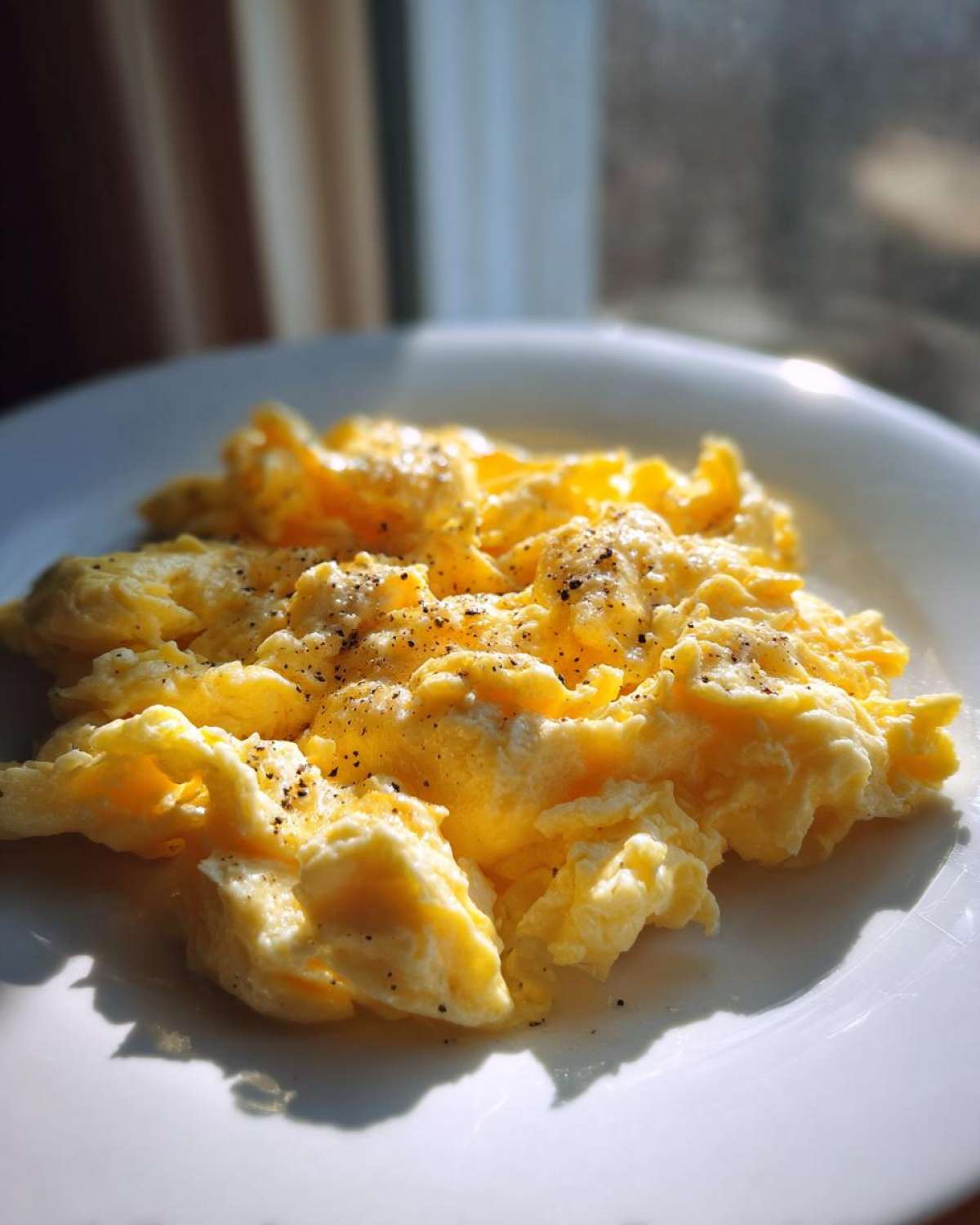
Now that you’ve mastered achieving the perfect soft texture, you can’t ruin the masterpiece by plopping it off the spoon onto boring bread! For the ultimate easy weekday breakfast, you really can’t beat these creamy scrambled eggs piled high on thick, toasted sourdough. If you’re doing a weekend brunch, nothing beats a side of thick-cut, crispy bacon alongside them. For something a little more gourmet, try folding a tablespoon of freshly chopped chives into the finished eggs right before serving. It adds a little green pop and a subtle onion flavor that really elevates the whole meal!
Storing and Reheating Leftover Scrambled Eggs
Confession time: I rarely have leftovers of these, because they are just too good! But life happens, and sometimes you need to save a batch of those beautiful, soft scrambled eggs for later. I need to give you a heads-up, though—reheating eggs is the ultimate test of trust. The texture *will* change. That beautiful, velvety fluffiness you worked so hard for tends to tighten up the minute it hits refrigeration temperatures.
If you absolutely must save them, the trick is to treat them super gently on the reheat. Do not, I repeat, DO NOT microwave them! Microwaves zap them dry instantly. Instead, place the leftovers in a small non-stick skillet over the absolute lowest heat setting you have. Add just a tiny splash of milk or even just water—maybe a teaspoon—per serving. You need that little bit of liquid to steam them back to life. Very gently move them around with your spatula until the curds loosen up again. It won’t be quite as perfect as straight-from-the-pan, but this slow coaxing is the only way to salvage the creamy texture we worked so hard to create!
Frequently Asked Questions About Scrambled Eggs
What is the best way to cook scrambled eggs for a restaurant style result?
You know, those beautiful, soft eggs you get at those fancy brunch spots? They aren’t magic, I promise! Achieving that restaurant-style result boils down to two things: using real butter and employing the low and slow method we just talked about. They never rush it. They focus on constant, gentle movement with a soft spatula over low heat. That slow folding ensures every small curd sets beautifully without drying out, giving you those gorgeous, buttery scrambled eggs that look almost like custard.
Should I add water or milk for fluffy scrambled eggs recipe?
This is one of those big debates in the egg world, isn’t it? I prefer a tiny bit of whole milk or cream because the fat content really helps create that rich, creamy texture we love. However, adding a splash of water—even just half a teaspoon per two eggs—can definitely help make your fluffy scrambled eggs recipe even lighter! The water turns to steam as it heats up, and that steam puffs the proteins up, contributing to that airy fluffiness.
Can I use high heat to make creamy scrambled eggs technique faster?
Oh, I wish some days! But no, absolutely not if you want that creamy scrambled eggs technique to work. High heat is the nemesis of creaminess! When the heat is too high, the proteins clamp down way too fast. Instead of creating those soft, velvety curds, you end up with tight, hard, dry pieces. You have to embrace the slowness here. Ten minutes of patience gets you gourmet eggs; three minutes of high heat gets you sad rubber shavings. You deserve better than sad rubber shavings!
Share Your Perfect Soft Scrambled Eggs
Now that you have the roadmap to the ultimate, soft, incredible scrambled eggs, I really want to know what you think! Cooking should be a conversation, and I get better every time I hear how you’ve made a recipe your own. Did the low and slow method feel weird at first? Were you surprised at how buttery and rich they turned out?
Please take a moment after you make these to drop a comment below. Tell me if you stuck to the classic preparation or if you went wild with some cheesy scrambled eggs ideas! Leaving a rating helps other bakers know this technique truly delivers that velvety texture. I read every single comment, and I love seeing your breakfast successes! Can’t wait to hear about your perfect soft scrambled eggs!
PrintThe Ultimate Fluffy and Creamy Scrambled Eggs: Low & Slow Technique Mastery

Learn the low and slow cooking method to achieve perfectly fluffy, creamy, and velvety scrambled eggs every time. This technique focuses on gentle heat for superior texture.
- Prep Time: 2 min
- Cook Time: 8 min
- Total Time: 10 min
- Yield: 1 serving
- Category: Breakfast
- Method: Stovetop Cooking
- Cuisine: American
- Diet: Vegetarian
Ingredients
- 3 large eggs
- 1 tablespoon whole milk or heavy cream
- 1 teaspoon unsalted butter
- Pinch of salt
- Freshly ground black pepper to taste
Instructions
- Crack the eggs into a small bowl. Add the milk or cream and a pinch of salt. Whisk the mixture gently until the yolks and whites are just combined; do not over-whisk.
- Place a non-stick skillet over low heat. Add the butter and let it melt completely until it foams slightly.
- Pour the egg mixture into the skillet. Let the eggs sit undisturbed for about 30 seconds until the edges just begin to set.
- Using a heat-resistant rubber spatula, gently push the cooked egg from the edge toward the center, tilting the pan so the uncooked egg flows underneath.
- Continue this slow pushing and folding motion every few seconds. Keep the heat very low.
- Cook slowly, folding the eggs until they form soft, moist curds. This process takes about 5 to 8 minutes.
- Remove the pan from the heat just before the eggs look fully done; residual heat will finish the cooking.
- Serve immediately, seasoning with fresh black pepper.
Notes
- For cheesy scrambled eggs, stir in 1 tablespoon of grated sharp cheddar during the last minute of cooking.
- For high-protein scrambled eggs, substitute 1 tablespoon of cottage cheese for the milk or cream.
- If you prefer a slightly firmer curd, increase the heat slightly, but watch closely to prevent drying.
Nutrition
- Serving Size: 1 serving
- Calories: 200
- Sugar: 1
- Sodium: 150
- Fat: 15
- Saturated Fat: 8
- Unsaturated Fat: 7
- Trans Fat: 0
- Carbohydrates: 2
- Fiber: 0
- Protein: 13
- Cholesterol: 450