

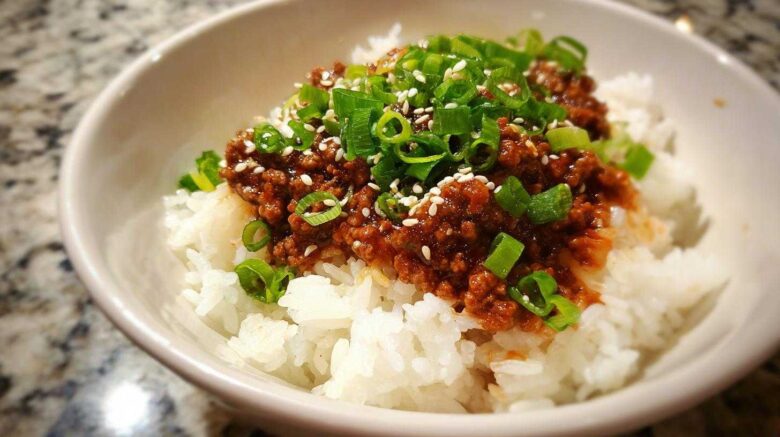
Oh, hello there, my friends! Kenji here, and I’m so excited to share one of my absolute favorite weeknight lifesavers with you today. Life in New York City is certainly a whirlwind. Sometimes, after a long day of exploring new markets or chasing after our grandchildren, cooking a big meal feels like a mountain.
That’s when I turn to my secret weapon: these incredible Korean Ground Beef and Rice Bowls. Trust me, these aren’t just any rice bowls. They’re a true marvel, ready in about 15 minutes flat. Yes, you read that right, 15 minutes!
I first discovered a similar dish during my travels, and it instantly captured my heart. I’ve tweaked and perfected it over the years, making it super simple for busy home cooks like us. It’s got that perfect balance of sweet and savory, with a hint of spice that just wakes up your taste buds. This recipe has really become a family favorite, especially when we need something quick, delicious, and way better than takeout.
It’s my go-to for a healthy, fast, and utterly satisfying meal. Let’s get cooking!
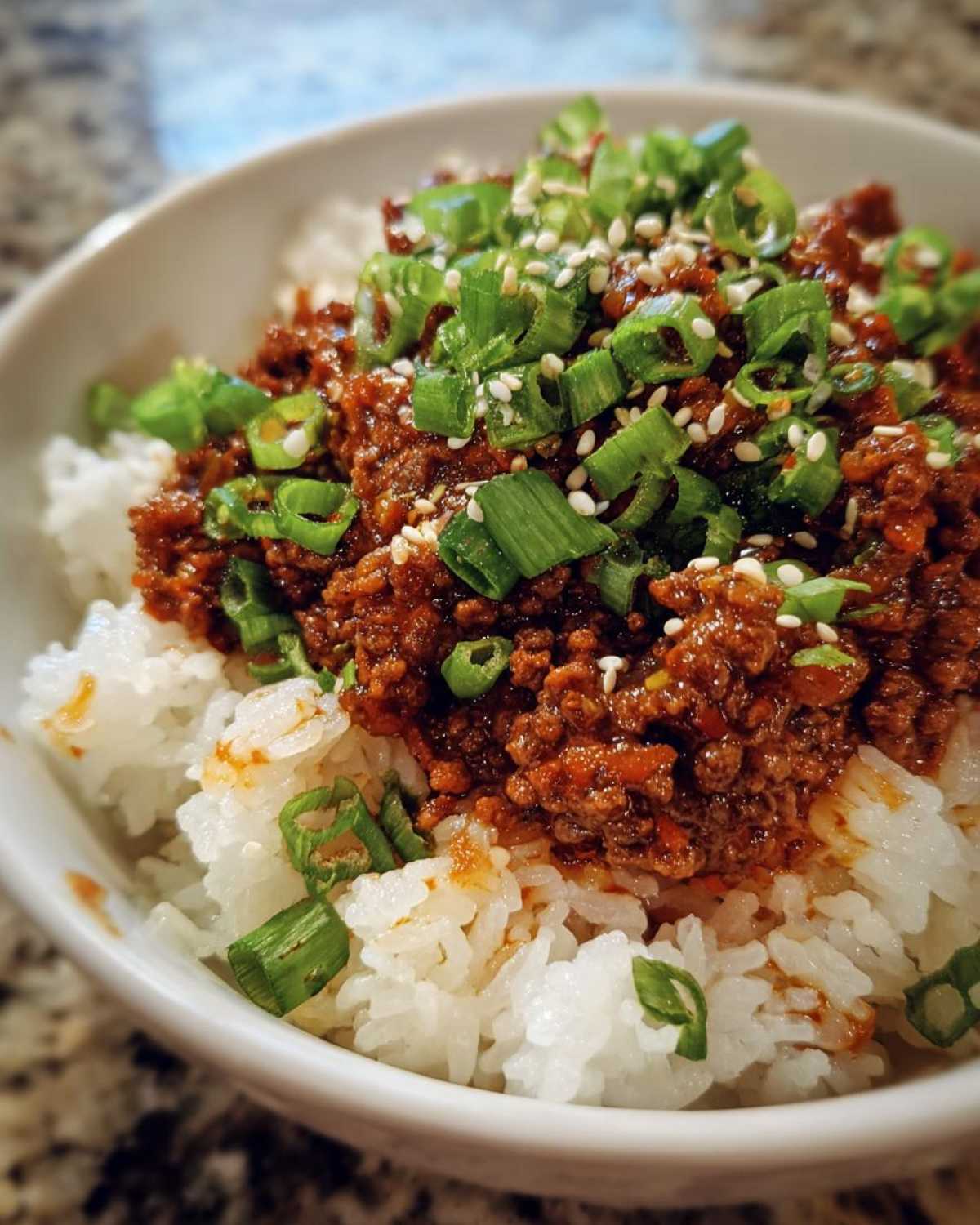
Why You’ll Adore These Korean Ground Beef and Rice Bowls
The Allure of Korean Ground Beef and Rice Bowls
I truly believe these Korean Ground Beef and Rice Bowls will become a staple in your kitchen. They’re simply amazing!
- Quick and Effortless: Ready in just 15 minutes, perfect for busy weeknights.
- Flavorful and Satisfying: A delicious balance of sweet, savory, and a hint of spice.
- Healthier Takeout Alternative: A homemade option that’s better for you and your wallet.
- Versatile and Customizable: Easily adapt to your family’s preferences.
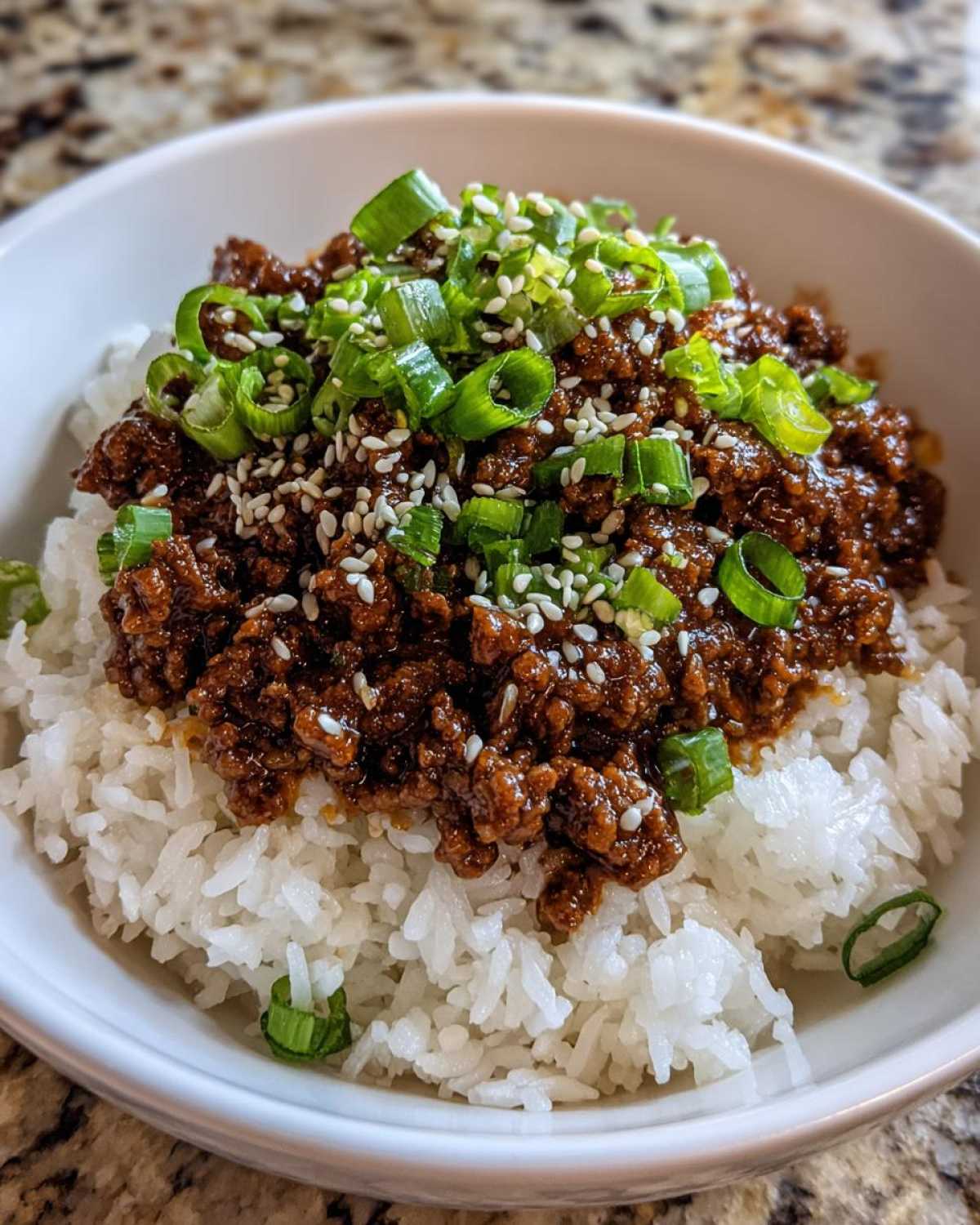
Gathering Your Ingredients for Korean Ground Beef and Rice Bowls
Alright, let’s talk ingredients! For these amazing Korean Ground Beef and Rice Bowls, you don’t need anything too fancy. I always keep these staples on hand.
Essential Components for Delicious Korean Ground Beef and Rice Bowls
Having everything ready makes cooking so much smoother. Here’s what we’ll need for our delicious bowls:
- 1 pound ground beef (lean or regular)
- 1 tablespoon sesame oil (toasted or light)
- 3 cloves garlic, minced (finely chopped)
- 1 tablespoon fresh ginger, grated (peeled and finely grated)
- 1/4 cup soy sauce (low sodium preferred)
- 2 tablespoons light brown sugar, packed
- 1 tablespoon gochujang (Korean chili paste), optional (adjust to spice preference)
- 1 teaspoon rice vinegar (unseasoned)
- 1/2 cup water or beef broth (low sodium)
- Cooked rice, for serving (warm, freshly cooked white or brown rice)
- 2-3 green onions, chopped (for garnish)
- 1 tablespoon sesame seeds (toasted, for garnish)
- 2 cups steamed or sautéed vegetables (e.g., broccoli florets, sliced carrots, fresh spinach), for serving
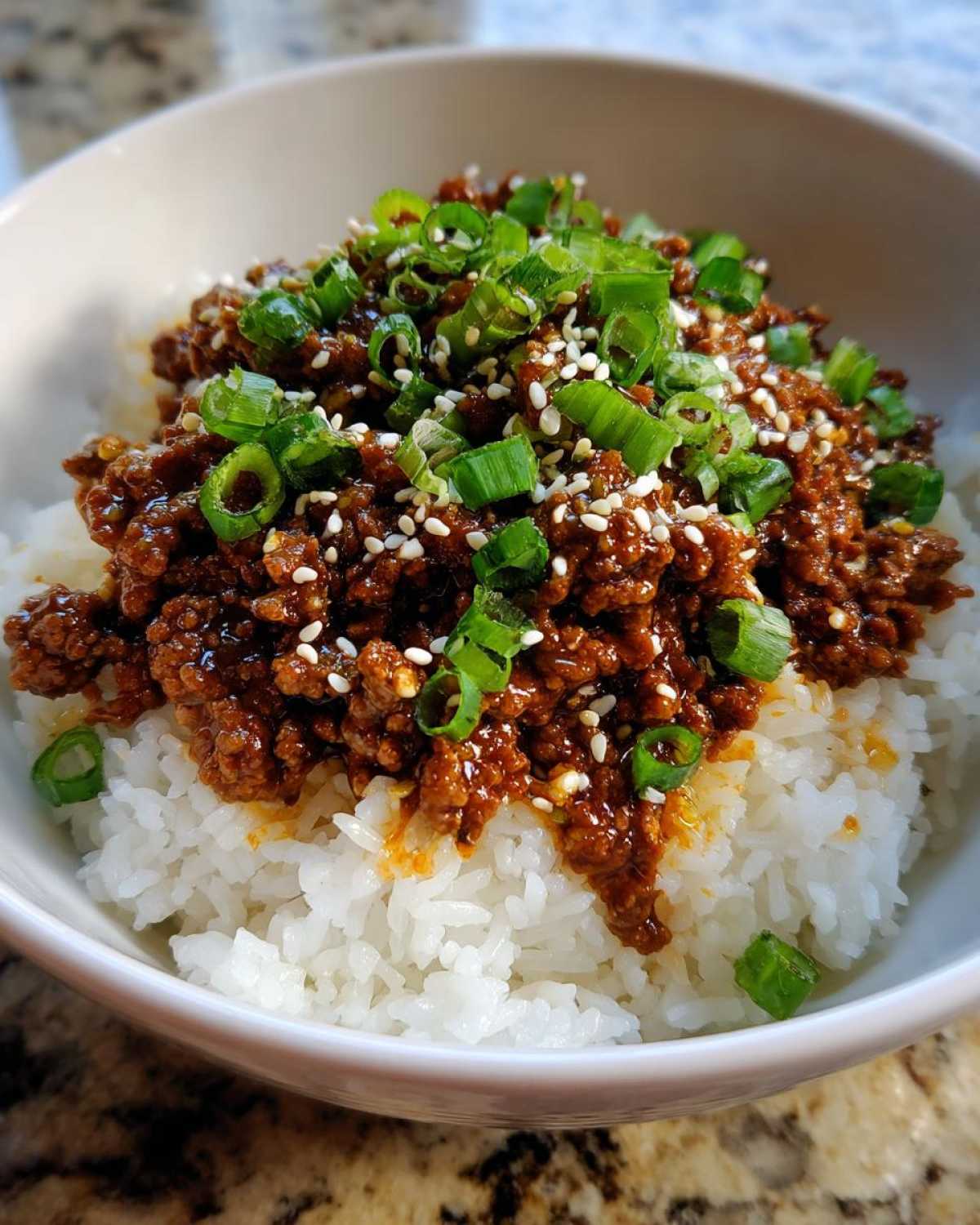
Crafting Your Perfect Korean Ground Beef and Rice Bowls
Now, for the fun part: putting it all together! Don’t worry, this process is super straightforward. You’ll be amazed how quickly these Korean Ground Beef and Rice Bowls come to life.
Step-by-Step Guide to Korean Ground Beef and Rice Bowls
Follow these simple steps, and you’ll have a delicious meal ready in no time!
- Heat 1 tablespoon of sesame oil in a large skillet or wok over medium-high heat until shimmering.
- Add the 1 pound of ground beef to the hot skillet. Cook, breaking it up with a spoon, until it is completely browned and no longer pink. This usually takes about 5-7 minutes. Once browned, carefully drain any excess fat from the skillet.
- Stir in the 3 minced garlic cloves and 1 tablespoon of grated fresh ginger with the cooked beef. Cook for 1 minute, stirring constantly, until they become fragrant. Be careful not to burn the garlic.
- In a small bowl, whisk together the 1/4 cup soy sauce, 2 tablespoons packed brown sugar, 1 tablespoon gochujang (if using), 1 teaspoon rice vinegar, and 1/2 cup water or beef broth until the sugar is dissolved and the mixture is well combined.
- Pour the prepared sauce directly over the cooked beef in the skillet. Bring the mixture to a simmer over medium heat. Continue to cook for 5-7 minutes, stirring occasionally, until the sauce thickens and beautifully coats the ground beef.
- Serve the hot Korean ground beef mixture generously over warm, cooked rice.
- Garnish each bowl with chopped green onions and a sprinkle of toasted sesame seeds.
- Serve immediately with your favorite steamed or sautéed vegetables on the side.
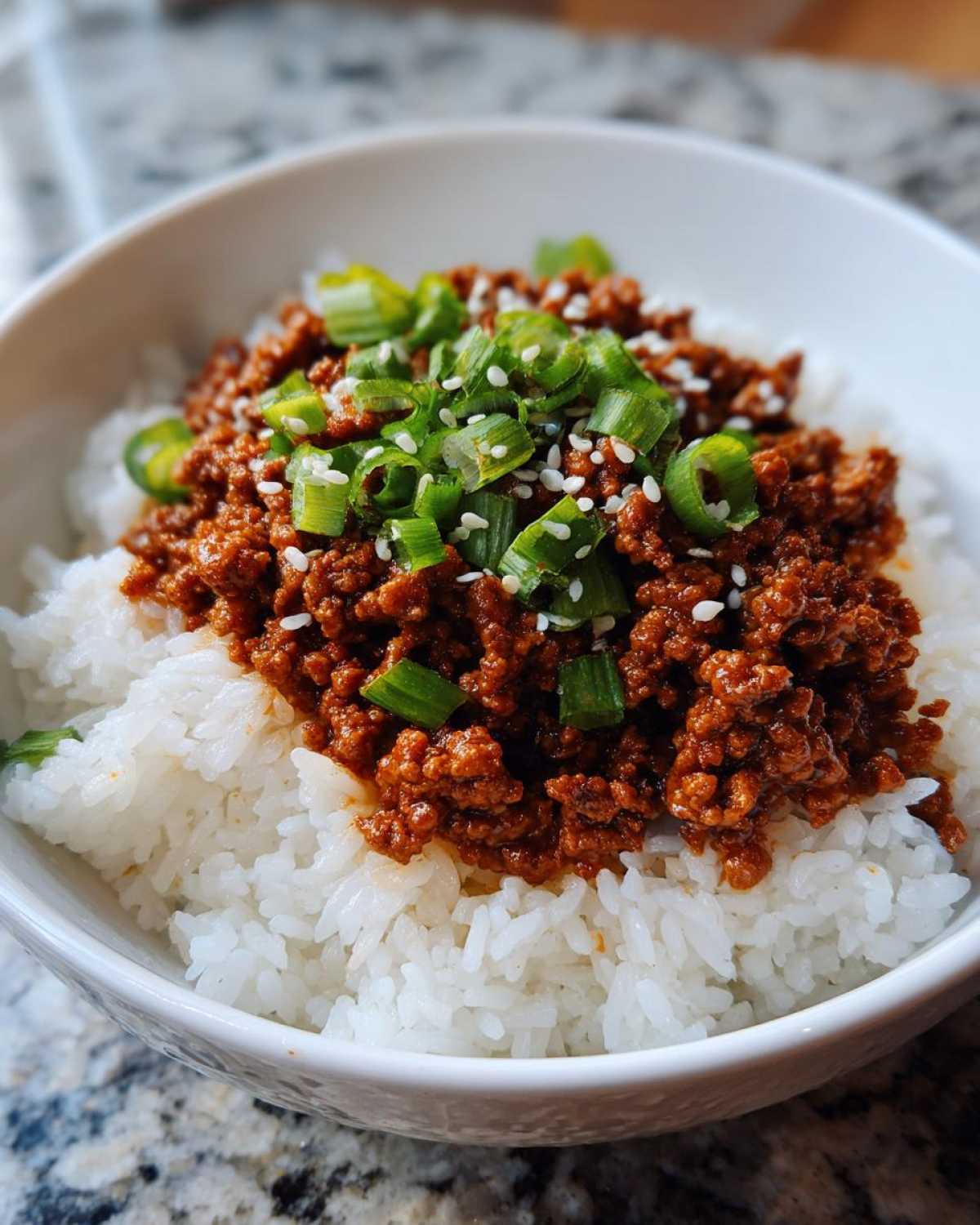
Tips for Elevating Your Korean Ground Beef and Rice Bowls
I always love sharing little tricks that make a good dish great. These simple tips will help your Korean Ground Beef and Rice Bowls truly shine!
Making Your Korean Ground Beef and Rice Bowls Shine
Here are my best suggestions for perfecting this quick and tasty meal.
- Spice Level Adjustment: If you prefer less heat, start with a smaller amount of gochujang or omit it entirely. For more kick, add an extra teaspoon.
- Richer Flavor: Using beef broth instead of water in the sauce will deepen the savory notes of your dish.
- Time-Saving Tip: While the beef is cooking, prepare your rice and steam or sauté your vegetables. This allows everything to be ready at roughly the same time for a truly 15-minute meal.
- Perfect Ground Beef: Ensure your ground beef is fully browned and any excess fat is drained for the best texture and flavor.
Frequently Asked Questions About Korean Ground Beef and Rice Bowls
I often get questions about my recipes. Here are some common ones about these delicious Korean Ground Beef and Rice Bowls.
Your Queries on Korean Ground Beef and Rice Bowls Answered
Let’s clear up any doubts you might have about this easy meal.
- Can I use a different type of meat for these Korean Ground Beef and Rice Bowls? Yes, you can substitute ground turkey or ground chicken. Just adjust cooking times until the meat is fully cooked.
- What are some good vegetable pairings for Korean Ground Beef and Rice Bowls? Steamed broccoli, sautéed spinach, shredded carrots, or kimchi are wonderful choices.
- How long do Korean Ground Beef and Rice Bowls last in the fridge? Leftovers store well in an airtight container for up to 3-4 days.
- Is this recipe gluten-free? Use a gluten-free soy sauce like tamari. Also, check your gochujang to be sure it’s gluten-free.
Storing and Reheating Your Korean Ground Beef and Rice Bowls
Making a big batch of these Korean Ground Beef and Rice Bowls is a smart move. They make fantastic leftovers!
Keeping Your Korean Ground Beef and Rice Bowls Fresh
Here’s how I keep our bowls tasting great for days.
- Storage: Store leftover Korean ground beef and rice bowls in an airtight container in the refrigerator for up to 3-4 days. Keep the beef and rice separate if possible for best texture.
- Reheating: To reheat, gently warm the beef mixture in a skillet over medium heat until heated through. For microwave reheating, place a portion in a microwave-safe dish and heat in 30-second intervals until warm. Add a splash of water or broth if the sauce seems too thick.
Estimated Nutritional Information for Korean Ground Beef and Rice Bowls
I know many of you like to keep an eye on your nutrition. These Korean Ground Beef and Rice Bowls offer a balanced meal.
Understanding the Nutritional Value of Korean Ground Beef and Rice Bowls
Remember, these are estimates. Your exact values might vary a bit.
- Serving Size: 1 serving (approx. 1/4 of recipe)
- Calories: 450-550
- Sugar: 10-15g
- Sodium: 800-1000mg
- Fat: 20-30g
- Saturated Fat: 8-12g
- Unsaturated Fat: 10-18g
- Trans Fat: 0-1g
- Carbohydrates: 40-50g
- Fiber: 2-4g
- Protein: 30-35g
- Cholesterol: 80-100mg
Share Your Experience with These Korean Ground Beef and Rice Bowls
I genuinely hope you enjoyed making and eating these quick Korean Ground Beef and Rice Bowls as much as my family and I do. Cooking truly connects us!
We’d Love to Hear About Your Korean Ground Beef and Rice Bowls!
Please share your culinary adventures with us!
- We hope you loved making these quick and easy Korean Ground Beef and Rice Bowls!
- Leave a comment below and let us know how it turned out for you.
- Don’t forget to rate the recipe and share your creations on social media. We love seeing what you cook!
Scandalous 15-Minute Korean Ground Beef and Rice Bowls
This recipe for Korean Ground Beef and Rice Bowls creates a quick, flavorful, and easy meal. It features sweet and savory Korean-style ground beef, served over rice with vegetables. This 15-minute meal offers a healthier and faster alternative to takeout.
- Prep Time: 5 minutes
- Cook Time: 10 minutes
- Total Time: 15 minutes
- Yield: 4 servings
- Category: Main Dish
- Method: Stovetop
- Cuisine: Korean
- Diet: None
Ingredients
- 1 pound ground beef
- 1 tablespoon sesame oil
- 3 cloves garlic, minced
- 1 tablespoon fresh ginger, grated
- 1/4 cup soy sauce
- 2 tablespoons brown sugar
- 1 tablespoon gochujang (Korean chili paste), optional
- 1 teaspoon rice vinegar
- 1/2 cup water or beef broth
- Cooked rice, for serving
- Chopped green onions, for garnish
- Sesame seeds, for garnish
- Steamed or sautéed vegetables (e.g., broccoli, carrots, spinach), for serving
Instructions
- Heat sesame oil in a large skillet or wok over medium-high heat.
- Add ground beef and cook, breaking it up with a spoon, until browned. Drain any excess fat.
- Stir in minced garlic and grated ginger. Cook for 1 minute until fragrant.
- In a small bowl, whisk together soy sauce, brown sugar, gochujang (if using), rice vinegar, and water or beef broth.
- Pour the sauce over the cooked beef. Bring to a simmer and cook for 5-7 minutes, or until the sauce thickens and coats the beef.
- Serve the Korean ground beef hot over cooked rice.
- Garnish with chopped green onions and sesame seeds.
- Serve with your favorite steamed or sautéed vegetables on the side.
Notes
- Adjust the amount of gochujang to your preferred spice level.
- For a richer flavor, use beef broth instead of water in the sauce.
- You can prepare the rice and vegetables while the beef cooks to save time.
Nutrition
- Serving Size: 1 serving (approx. 1/4 of recipe)
- Calories: 450-550
- Sugar: 10-15g
- Sodium: 800-1000mg
- Fat: 20-30g
- Saturated Fat: 8-12g
- Unsaturated Fat: 10-18g
- Trans Fat: 0-1g
- Carbohydrates: 40-50g
- Fiber: 2-4g
- Protein: 30-35g
- Cholesterol: 80-100mg