

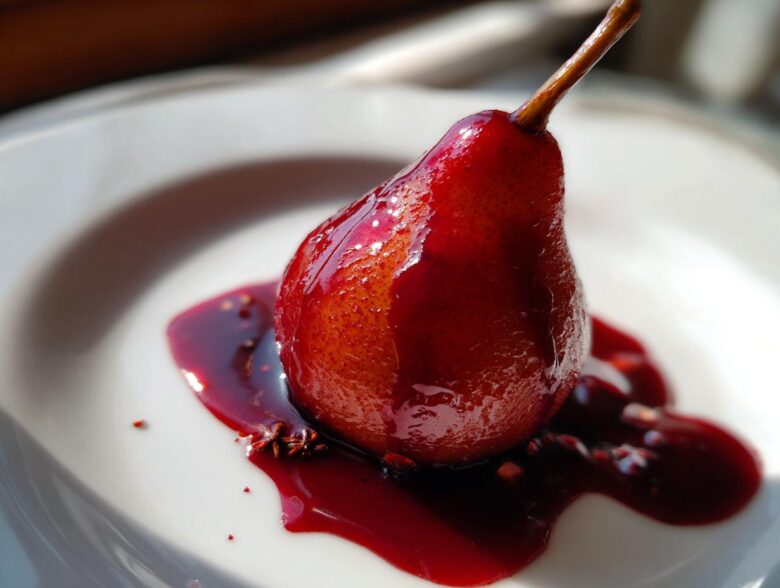
When you need a show-stopping dessert but feel like you have zero time, I always turn to poaching fruit. Honestly, making gorgeous, jewel-toned poached pears seems like it should take all day, but it really doesn’t! This recipe for Red Wine Poached Pears with vanilla and spice is my absolute go-to secret weapon for making guests think I spent hours fussing away in the kitchen. Trust me, the aroma alone will convince everyone you’re a culinary genius. It’s elegant, it’s simple, and the cleanup is shockingly easy. We’re diving into how to get that perfectly tender fruit soak up all that gorgeous wine flavor.
If you want to see more simple, impressive baking ideas, check out some of my other favorites over at the main blog page!
Why This Red Wine Poached Pears Recipe Works So Well
This method isn’t just about cooking fruit; it’s about creating a dessert that looks like it belongs on a fancy bakery tray but takes almost no actual effort. The secret to loving this poached pears recipe lies in a few key things it does perfectly every single time.
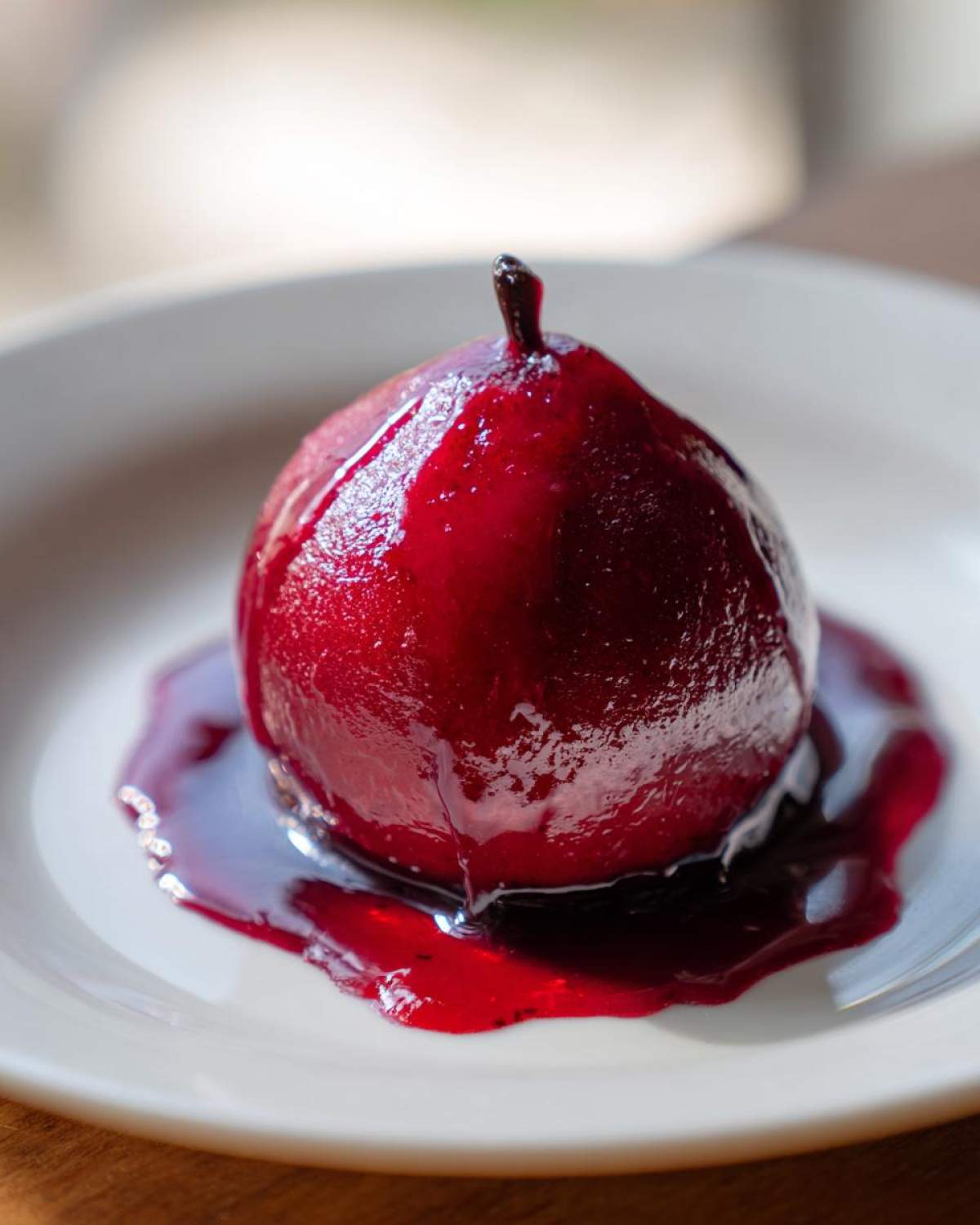
- The color! Those spices and the red wine bath dye the pears this incredible, deep jewel tone. It’s stunning.
- The flavor soaks deep down into the core. No bland fruit here!
- It’s so forgiving—you can make it ahead, and it often tastes even better the next day.
Achieving Tender Poached Pears Technique
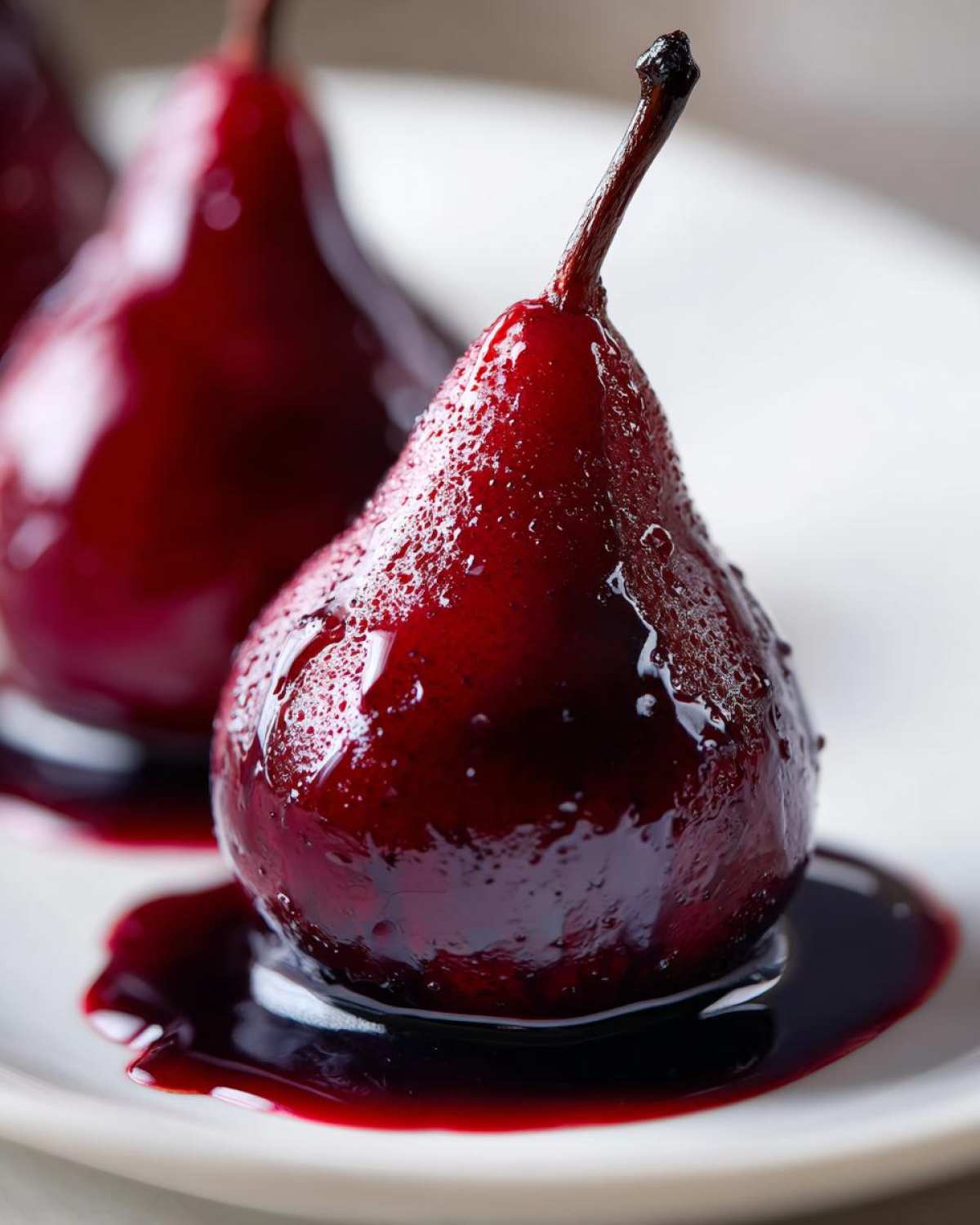
The texture is everything, right? You don’t want mushy fruit, but you definitely don’t want to bite into something crunchy! The trick to the Tender Poached Pears Technique is keeping that liquid at a very gentle simmer—think tiny bubbles, not a rolling boil. Make sure you use firm pears like Bosc or Anjou. If they are too soft when they go in, they break down too quickly under the gentle heat.
Making Poached Pears an Elegant Fruit Dessert
If you’re looking for a light, impressive finish to a heavy meal, stop right here. This fits perfectly into the Elegant Fruit Dessert category. Because the syrup reduces down to a shiny glaze, it gives the whole plate a gourmet look almost instantly. It’s fantastic for holiday tables or when you have company over!
Ingredients for the Best Poached Pears Recipe
When you gather your ingredients for the Best Poached Pears Recipe, remember that simple things done right make all the difference. We aren’t using any weird fillers here; it’s all about classic flavor building. I like to have everything ready to go before I even turn on the stove because poaching moves pretty quickly once you start!
For four happy servings, here is what you’ll need:
- Four firm pears—I stick with Bosc or Anjou because they hold their shape beautifully during the simmer.
- Three full cups of dry red wine—whatever you’d happily drink yourself works here.
- One cup of water to balance things out.
- One cup of granulated sugar—don’t skimp, this makes the syrup!
- One whole vanilla bean, and yes, you must split it lengthwise so you can scrape out those gorgeous little seeds!
- Two cinnamon sticks.
- Six whole cloves—no measuring needed, just toss them in.
- One star anise pod—this gives it that subtle, gourmet kick.
- One nice, wide strip of orange zest, no white pith though, please!
If you’re looking for other great recipes that celebrate classic flavors, you might really love my recipe for moist date nut bread!
How To Poach Pears: Step-by-Step Instructions
Okay, this is where the magic happens! Learning How To Poach Pears properly ensures you get maximum flavor without ending up with mushy soup. It’s all about respecting the fruit and keeping the heat gentle. This process breaks down into three key stages: prep, gentle simmering, and flavor absorption. If you want those stunning results, pay close attention to the heat setting!
Preparing the Pears for Poached Pears
First thing first, we prep the fruit gently. You need to carefully peel the pears, but please, leave those pretty stems attached—they provide such a nice look once they’re done! Then, take a tiny spoon or melon baller and scoop out the seeds from the bottom end. Be super careful not to cut all the way through to the top, or your beautiful syrup will just drain right out when they cook.
Simmering for Maximum Flavor in Poached Pears
Once your liquid is simmering and you’ve dissolved all that sugar, it’s time to introduce the pears. Nest them into the pot gently. Now, keep that heat low! I mean it—it should barely bubble. This low-and-slow cooking is vital for getting that beautiful Jewel Tone Dessert color evenly coated on all sides. Remember to turn them every ten minutes or so. They’re ready when a small knife slides in without any major resistance, usually between 25 to 40 minutes.
Cooling and Syrup Reduction for Poached Pears
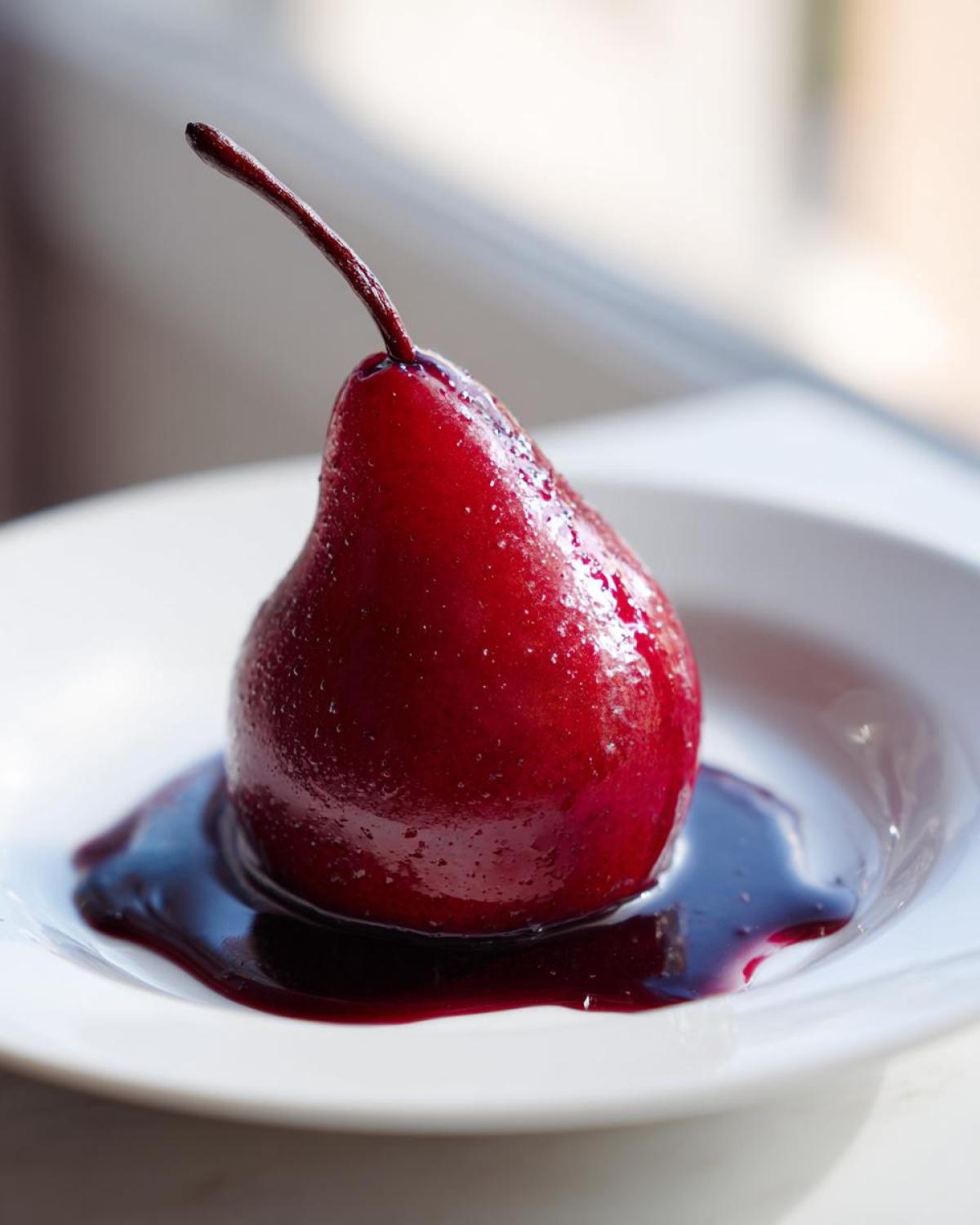
This next step is non-negotiable for the best flavor! Once they are tender, you must remove the pan from the heat and let the pears chill completely right there in the liquid. This gives them time to soak up all the wine and spice flavor. After they’re cooled down, you can take the pears out and strain that poaching liquid. Boosting that liquid back to a boil lets it reduce into a thick, beautiful syrup that you’ll drizzle right over the top!
If you’re curious about making creamy accompaniments like crème anglaise, you should check out my recipe for creamy rice pudding—it shares some similar principles for achieving that perfect texture!
Flavor Variations for Your Poached Pears
While my main recipe uses the beautiful depth of red wine, part of the fun with poached pears is mixing up the liquid base to suit what you have on hand or what mood you’re in! We already have a great blend of spices and real vanilla in there, so swapping the wine is a super easy way to get a completely different but equally delicious dessert. It’s fun to experiment!
Don’t forget, if you are whipping up a batch of these and want something totally different for later, my recipe for the best chocolate chip cookies is always a winner when you need a baked treat!
Making Bourbon Poached Pears
If you’re looking to add a little warmth and a serious depth of flavor, skip a bit of the wine and sub in some bourbon. As noted in the recipe card, you just swap about a quarter cup of the red wine for bourbon. This makes for amazing Bourbon Poached Pears that taste decadent, especially if you serve them with salted caramel. It cuts the sweetness just enough!
Creating Vanilla Poached Pears
Sometimes you don’t want the tannins from the red wine, or maybe you’re serving this to fussy eaters. Luckily, the vanilla bean is so potent here that you can make straight-up Vanilla Poached Pears easily! Just use water or white grape juice instead of the red wine. The combination of the vanilla pod and the orange zest creates a soft, fragrant poaching liquid that is still utterly divine.
Serving Suggestions for Poached Pears Dessert
These beautiful poached pears are almost done, but presentation is everything when you’re aiming for that elevated feel! You can serve them still slightly warm, or chilled straight from the fridge—they are truly good either way. The real key to turning this lovely fruit into a true Gourmet Pear Dessert is what you choose to pour over the top of that shiny syrup.
A little accompaniment goes a long way in making this dish feel complete and extra comforting, especially on a chilly night. If you ever feel like switching from fruit to cake, my recipe for vanilla cupcakes is consistently a crowd-pleaser!
Pairing Poached Pears with Ice Cream
My absolute favorite way to serve these is when they’re just slightly warm alongside a big scoop of quality vanilla ice cream. The contrast between the warm, spiced pear and the freezing cream is just heavenly! This fits right into the category of the ultimate Poached Pears with Ice Cream experience.
Tips for Success with Spiced Pears Dessert
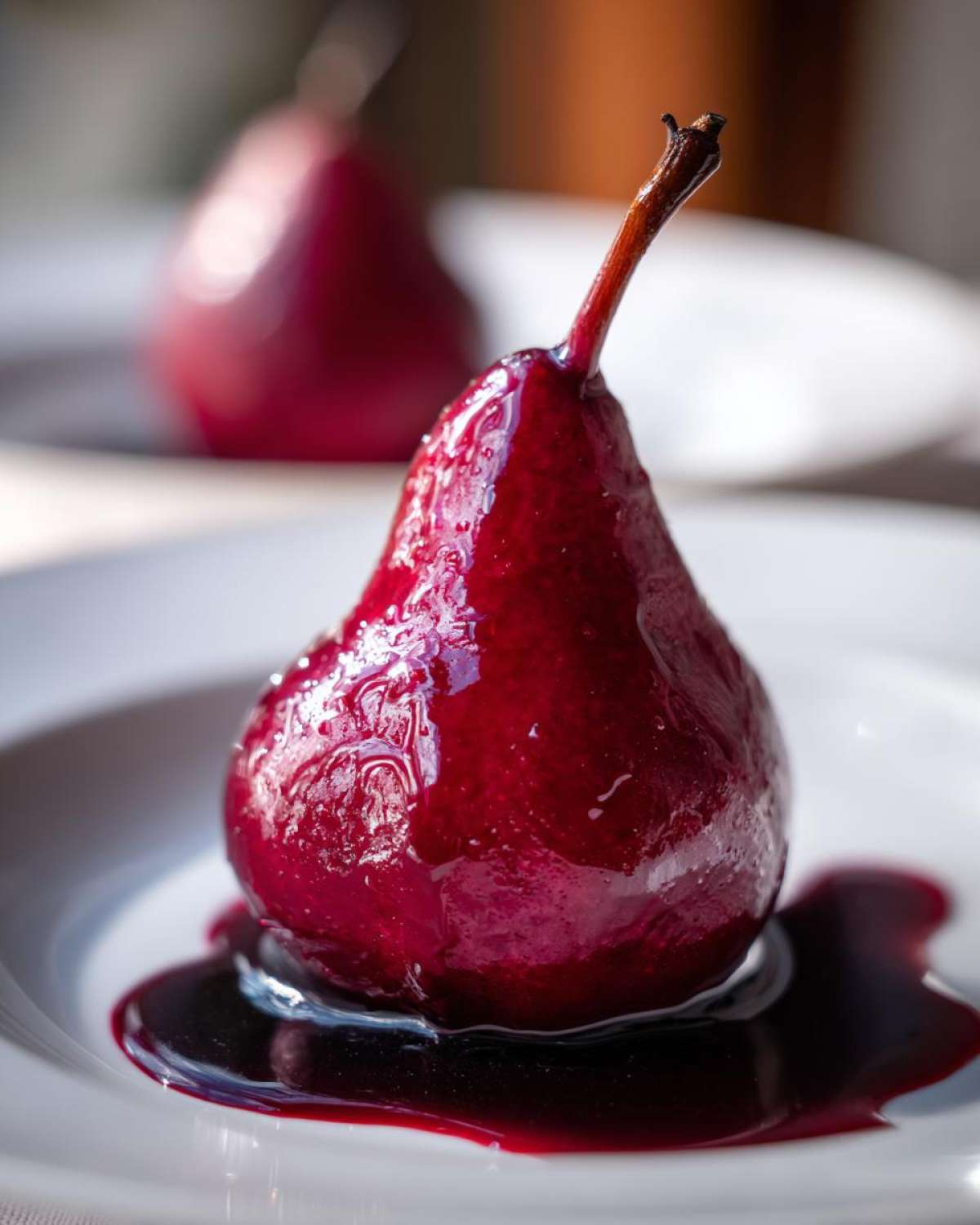
If you want your batch of Spiced Pears Dessert to be absolutely perfect, sometimes you need a couple of bonus tricks outside the main instructions. Don’t sweat the small stuff, but a few tiny adjustments make a huge difference in the final texture and sweetness. I learned these little secrets by making way too many batches!
First, let’s talk sugar. If your pears are naturally very ripe, or if you used sweeter juice instead of dry wine, you might want to knock back that cup of sugar in the poaching liquid by about a quarter cup. Too sweet, and it overpowers those lovely spices. Also, going with Bosc pears is my top recommendation because they are firm and rarely get grainy, which is essential for a good, clean bite.
Storage and Reheating Instructions for Poached Pears
Don’t panic if you made a big batch of poached pears! These are actually one of those rare desserts that taste *better* the next day. Seriously, they just keep soaking up that spiced red wine overnight. You must store them submerged completely in the strained poaching liquid—the syrup acts like a preservative and keeps them perfectly moist and colorful.
Just seal the container tightly and pop it in the fridge. They’ll easily last about four or five days chilling out in that gorgeous liquid. When you want to reheat them, just warm them very gently on the stovetop with a little bit of that syrup. Or, honestly, they are amazing served cold straight from the fridge alongside some yogurt. If you’re looking for another great make-ahead recipe, check out my date nut bread!
Frequently Asked Questions About Poached Pears
I get so many questions about these beautiful fruit desserts once people try them! It’s totally normal when you’re trying something new, especially when you want to customize it to your pantry. Here are a few things folks ask me all the time when they are making their first batch of poached pears.
Do you ever wonder about using a slow cooker? Yes, you absolutely can! It’s a great option if you don’t want to babysit the stovetop. Just place all the liquid and spices in there, bring it up to high heat to dissolve the sugar, then drop in the pears, cover, and cook on low for about 3 to 4 hours until tender. It’s a fantastic way to keep the house smelling amazing all afternoon!
If you are looking for a great savory meal to make after dinner, you absolutely have to try my recipe for crockpot steak—it’s seriously tender!
Can I make these Poached Pears without wine?
Oh, yes, you totally can! If you want to make these into Easy Poached Pears without alcohol, just swap the red wine for an equal amount of water mixed with apple juice or white grape juice. You’ll still need to add extra spices like a little ginger or cardamom to mimic the depth the wine brings, but they turn out bright, light, and still delicious!
How long do these Poached Pears keep in the fridge?
As I mentioned before, they last a while! If you keep them submerged in their cooled syrup in an airtight container, they are perfectly good for about five days. Honestly, the flavor intensifies, so they hold up really well.
Can I poach other fruits with this recipe?
You sure can! While pears are the star because of their firm texture, peaches or firm apples work wonderfully too. Just watch the cooking time closely—softer fruits like peaches might only take 15 to 20 minutes before they are perfectly tender.
Understanding the Nutrition of Poached Pears
Okay, so while these poached pears are definitely refined sugar territory, they are still fruit, which is a win in my book! Since we are cooking them down with wine and sugar, the nutrition facts shift a little from a raw pear, of course. Here’s a quick look at the estimates based on one serving.
Keep in mind these numbers are approximate—they change slightly based on the sweetness of your wine and how much you reduce the syrup!
- Serving Size: 1 pear with syrup
- Calories: About 350
- Sugar: Roughly 65g
- Fat: Very low, less than 1g
- Protein: Minimal, about 1g
Elegant Red Wine Poached Pears with Vanilla and Spice
Make tender, jewel-toned poached pears using red wine, vanilla, and warming spices. This simple recipe yields an elegant fruit dessert perfect for any occasion.
- Prep Time: 15 min
- Cook Time: 45 min
- Total Time: 60 min
- Yield: 4 servings
- Category: Dessert
- Method: Stovetop Simmering
- Cuisine: European
- Diet: Vegetarian
Ingredients
- 4 firm pears (Bosc or Anjou), peeled, stems left intact
- 3 cups dry red wine (like Merlot or Cabernet Sauvignon)
- 1 cup water
- 1 cup granulated sugar
- 1 vanilla bean, split lengthwise
- 2 cinnamon sticks
- 6 whole cloves
- 1 star anise
- 1 strip orange zest (about 2 inches long)
Instructions
- Prepare the pears: Peel the pears carefully, leaving the stems on. Use a melon baller or small spoon to gently core the bottom of each pear, removing the seeds without cutting through the top.
- Make the poaching liquid: In a saucepan large enough to hold the pears standing upright, combine the red wine, water, sugar, vanilla bean (scraped seeds and pod), cinnamon sticks, cloves, star anise, and orange zest.
- Heat the liquid: Bring the mixture to a simmer over medium heat, stirring until the sugar dissolves completely.
- Poach the pears: Gently place the prepared pears into the simmering liquid. The liquid should mostly cover the pears. If needed, add a splash more water or wine.
- Simmer: Reduce the heat to low, cover the pan partially, and let the pears gently simmer for 25 to 40 minutes, depending on the ripeness of your fruit. Turn the pears occasionally to ensure even coloring and cooking. They are done when a paring knife inserts easily into the thickest part.
- Cool: Remove the pan from the heat. Allow the pears to cool completely in the poaching liquid. This step allows them to absorb more color and flavor.
- Reduce the syrup (optional): Once cooled, carefully remove the pears. Strain the liquid and return it to the saucepan. Bring to a boil over medium-high heat and reduce until the syrup thickens slightly, about 10 to 15 minutes.
- Serve: Serve the pears warm or chilled, drizzled generously with the reduced syrup.
Notes
- For a bourbon variation, substitute 1/4 cup of the red wine with bourbon before simmering.
- Serve these pears with a dollop of vanilla ice cream or a side of crème anglaise for a richer dessert.
- If you prefer a lighter syrup, use less sugar in the initial poaching liquid.
Nutrition
- Serving Size: 1 pear with syrup
- Calories: 350
- Sugar: 65
- Sodium: 10
- Fat: 0.5
- Saturated Fat: 0
- Unsaturated Fat: 0.5
- Trans Fat: 0
- Carbohydrates: 90
- Fiber: 7
- Protein: 1
- Cholesterol: 0