

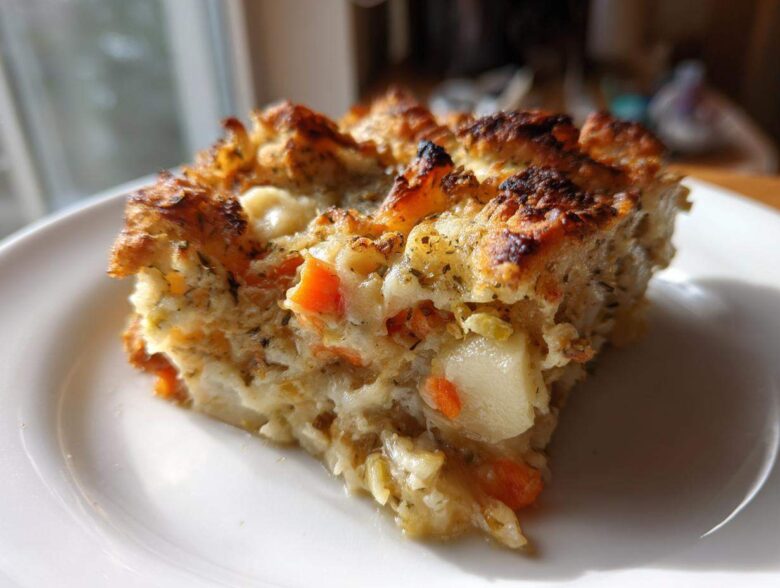
When the wind howls outside and you need a dinner that wraps you up like an old flannel blanket, you can’t beat a good baked dish. Forget those sad, watery vegetable sides you see sometimes; we’re talking about serious comfort here. This recipe for our Rich Winter Vegetable Casserole is the absolute pinnacle of cozy cooking. I first developed this blend years ago because I was tired of peeling potatoes only to have them turn mushy and bland. Trust me, we figured out how to make root vegetables sing!
My goal was achieving deep, savory flavor that tastes like it cooked all day, even though it comes together surprisingly fast. The key is that creamy Gruyère sauce and that incredible golden breadcrumb crust. This casserole isn’t just a side dish; it’s my family’s go-to main course when we need real substance on a cold, dark night. It’s everything you want in a wholesome, satisfying winter supper.

Why This Rich Winter Vegetable Casserole is Your New Comfort Staple
Listen, I’ve made my share of disappointing bakes over the years—the ones that taste watery or the topping just dissolves. Not this one! This Rich Winter Vegetable Casserole stands up to anything a chilly evening can throw at it. Here’s why you absolutely need this in your winter rotation:
- It captures the very essence of winter produce. We’re talking deep, earthy flavors from carrots and parsnips that you just don’t get in July.
- The texture is everything! It’s creamy underneath thanks to the heavy cream and cheese, but has that amazing contrast from the crispy, buttery breadcrumb topping.
- It genuinely tastes like it took hours, but honestly, it gets on the table fast enough for a weeknight if you prep a little.
- Gruyère cheese is the secret sauce; it melts beautifully and adds a nutty richness that regular cheddar just can’t touch.
- It’s a complete, filling meal in one dish. No fussing over three separate side items needed!
- This recipe travels incredibly well. I often take this to potlucks because it reheats perfectly. Check out some other great ideas in my best winter vegetable recipes collection for more inspiration!
Gathering Ingredients for Your Rich Winter Vegetable Casserole
Okay, the beauty of this dish is relying on hearty, sturdy vegetables that actually taste good when it’s freezing outside. We aren’t messing around with delicate things here; we want stuff that can stand up to cream and cheese! Make sure you take a peek at my tips on how to get the best flavor out of your roasted root vegetables; that same principle applies here for depth. The final ingredient list is simple, but the quality really matters, especially with the cheese and the herbs. Get everything prepped—peeled, chopped, minced—before you turn on the stove, because things move quickly once that skillet heats up!
- 2 tbsp olive oil
- 1 large onion, chopped
- 2 cloves garlic, minced
- 1 lb mixed root vegetables (carrots, parsnips, potatoes), peeled and diced
- 1 head broccoli, cut into florets
- 1 cup vegetable broth
- 1/2 cup heavy cream
- 1/2 cup grated Gruyère cheese
- 1/4 cup grated Parmesan cheese
- 1 tsp dried thyme
- 1/2 tsp salt
- 1/4 tsp black pepper
- 1 cup breadcrumbs
- 2 tbsp melted butter
Step-by-Step Guide to Making the Rich Winter Vegetable Casserole
Now for the fun part! Getting this Rich Winter Vegetable Casserole from the counter to the oven is surprisingly straightforward. Remember, the goal here is tender vegetables coated in a luxurious sauce, all topped with a crunchy shell. Make sure your oven is hot and ready at 375°F (190°C) and that you’ve got that 9×13 dish lightly greased. Don’t skip that preheating step; we want immediate, even heat when this dish goes in!
Preparing the Base Vegetables and Aromatics
We start building flavor right away! Heat your olive oil gently, then toss in the onion. You want this to soften up until it’s translucent and sweet, which takes about five minutes. This step is crucial for a deep base flavor—don’t rush it or burn it! Add your minced garlic right at the end, just for about 60 seconds until you can smell it—any longer and it gets bitter, oops! Then, throw in all those diced roots and the broccoli florets. We sauté these for about five minutes just to give everything a little head start before we add moisture.
Creating the Creamy Sauce for the Rich Winter Vegetable Casserole
Time to tame those vegetables! Pour in the vegetable broth and let everything simmer, covered, for maybe ten minutes. This steaming slightly cooks the hard roots so they aren’t crunchy later. Once that liquid has reduced a little, pull it off the heat and stir in the heavy cream. Now, add your Gruyère and Parmesan. Stir until those cheeses melt completely into a gorgeous, velvety sauce coating every piece of vegetable. Pop in the thyme, salt, and pepper, and give it a final taste test!
Assembling and Baking the Hearty Vegetable Bake
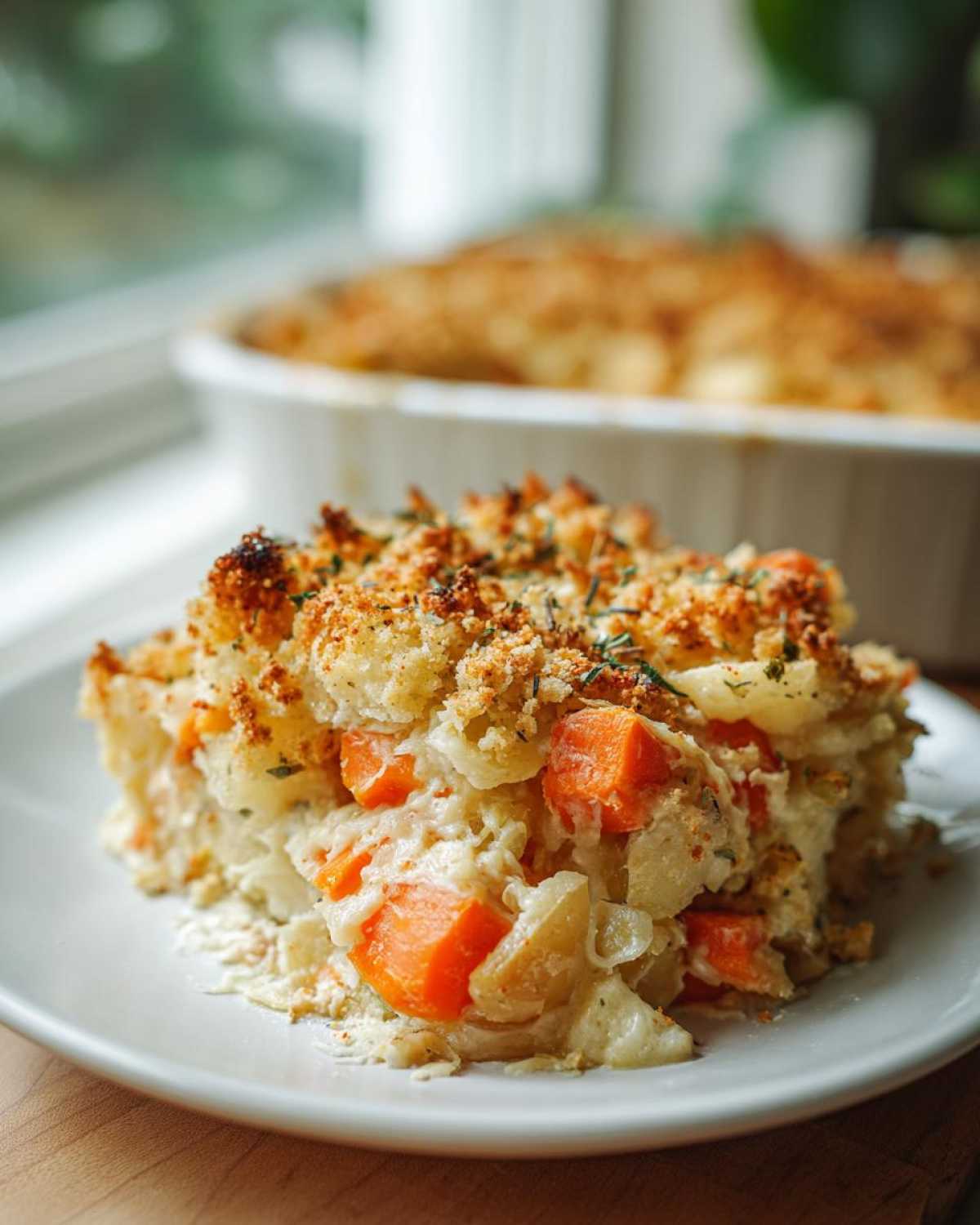
Transfer that incredible vegetable mixture directly into your prepared dish. Next, prepare the topping: just mix those breadcrumbs with the melted butter until they look evenly coated and sandy. Sprinkle that crust evenly over the top. Bake this beauty for 25 to 30 minutes. You’ll know it’s perfect when the sauce is boiling happily around the edges and the topping is a deep, golden brown. Seriously, wait those five minutes before cutting into it—that resting time lets the sauce set up perfectly for a beautiful slice of this broccoli cheese casserole!
Tips for the Best Rich Winter Vegetable Casserole Results
I’ve made this so many times that I know exactly where things can go wrong, and I want to save you the trouble! Getting the texture just right is key to an amazing Rich Winter Vegetable Casserole, especially when dealing with dense winter produce. It’s all about consistency and layering flavors carefully. We want creamy, not soupy, and crusty, not soggy!
Vegetable Selection and Pre-Cooking
If you’re using root vegetables, my biggest tip—and this is essential for everyone—is uniformity in chopping! If your potatoes are tiny cubes and your parsnips are huge chunks, the small ones will turn to mush before the big ones are even soft. Aim for roughly the same size on everything. Also, if you’re using something really tough like celery root, consider giving those dices a quick two-minute blanch in boiling water before sautéing them. It just guarantees they cook through evenly in that 10-minute simmer time. If you skip that step, make sure you simmer them longer under the lid!
Achieving Maximum Richness in This Winter Casserole Recipes
Listen, the Gruyère does most of the heavy lifting for richness, but we can always boost it, right? When you stir in that heavy cream, try grating a tiny pinch of fresh nutmeg right into the mixture. Don’t use the jarred stuff; fresh is always weaker, and nutmeg just sings with creamy sauces and root vegetables, adding warmth without tasting spicy. Also, don’t be shy about using good quality Parmesan. The fresh-grated stuff coats everything better and melts smoother than the pre-shredded bags, which often have anti-caking agents that can make your sauce slightly grainy. Check out some of my favorite ways to perfect a root vegetable bake for more flavor boosting ideas!
Variations and Substitutions for Your Seasonal Vegetable Supper
I love that this recipe adapts so well depending on what looks perfect at the farmer’s market that week. Don’t feel locked into just the broth and cream, either! This is your kitchen, and we want this hearty vegetable bake to be exactly what you need tonight. I sometimes change everything except the cheese topping method when I’m feeling adventurous.
If you want to change the texture of the base, try swapping out some of those root vegetables. Sweet potatoes work beautifully instead of regular potatoes, though they might make the sauce slightly sweeter. Also, when broccoli is out of season, I swear by swapping it for shaved Brussels sprouts tossed in right alongside the carrots and parsnips; they get wonderfully tender in the broth!
For a total flavor pivot, try this: use dry white wine instead of half the vegetable broth in Step 4. It really deepens the savory element before you add the cream. If you want this to be richer but still meat-free, skip the breadcrumb topping entirely and layer thinly sliced, pre-cooked butternut squash on top instead of the breadcrumbs.
If you need to keep this dairy-free, hold the phone! You can absolutely make a fantastic version. Use full-fat coconut milk instead of heavy cream—it provides amazing richness. For the cheese layer, skip the Gruyère and Parmesan in the sauce, and instead stir in a couple of tablespoons of white miso paste for that salty, umami depth. For the topping, just use the melted butter with the breadcrumbs, and it will still crisp up beautifully. You can find lots of great ideas for making this a complete cozy vegetarian main course!
Make Ahead & Storage for Your Rich Winter Vegetable Casserole
Who doesn’t love having dinner half-done when the afternoon rolls around? I absolutely rely on making comfort food ahead of time, and this Rich Winter Vegetable Casserole is fantastic for prepping. You can do all the hard work—the chopping, the sautéing, building that creamy sauce—all the way up until Step 6. That means everything mixes in the skillet, you taste it, and then you transfer the vegetable mixture into your baking dish.
Cover that dish tightly with plastic wrap or foil and pop it right into the fridge. It holds perfectly well for up to two days that way. Don’t add the breadcrumb topping yet! If you add the topping too early, the butter soaks in, and you lose that essential crunch we worked so hard for.
When you’re ready to eat—whether tonight or two days from now—let it sit on the counter for about 30 minutes while the oven heats up. Then, toss on your buttered breadcrumbs, and bake it exactly as written. You might need to add an extra 5 to 10 minutes to the baking time since it’s starting cold, so watch for that bubbly sauce and golden crust. If you want to freeze it, put the unbaked mixture (no topping!) in an aluminum pan, cover it well, and freeze flat. To reheat from frozen, thaw slowly overnight in the fridge, then top and bake.
For more tips on planning your week around hearty meals, check out my guide on the best make ahead vegetable casserole techniques!
Serving Suggestions for This Hearty Vegetable Bake
Because this casserole is so comforting, rich, and filling, what you serve alongside it should really provide a nice contrast. We want brightness and crunch after diving into that cheesy, savory goodness! I usually rely on one of two things to round out the meal and balance out all that delicious fat from the cream and Gruyère.
First up, you absolutely need something tart and fresh. A simple green salad tossed with a sharp vinaigrette is my go-to. Think thinly sliced red onion, maybe some crunchy celery, tossed with lemon juice and olive oil—nothing heavy at all. It cleanses the palate perfectly between bites of that creamy root vegetable bake. You can check out how a tangy dressing really brightens things up in my authentic Greek salad recipe; that vinaigrette would be phenomenal here!
If you’re serving this on a truly chilly night and want something more substantial than a salad, grab a loaf of crusty bread. No fancy garlic butter needed—just grab a good artisan sourdough or a baguette. Tear pieces off and use it as a scoop! It’s perfect for soaking up any little puddles of that creamy sauce left in the bottom of the bowl. It’s amazing how dipping bread into that flavorful sauce becomes its own side dish!
Frequently Asked Questions About the Rich Winter Vegetable Casserole
I know when you’re making a favorite like this, you might have a few adjustments in mind based on what you have kicking around the fridge. Don’t worry, this recipe is super forgiving! We want everyone to enjoy this cheesy vegetable casserole recipe, regardless of what’s in the crisper drawer. Here are some common questions that pop up when folks are ready to make this savory winter hot dish.
Can I make this a vegan Rich Winter Vegetable Casserole?
You absolutely can tweak this into a vegan main course! It takes a few key swaps, but the structure holds up beautifully. For the heavy cream, you’ll want to use a full-fat, unsweetened plant milk, like cashew cream or even full-fat canned coconut milk if you don’t mind a slight hint of coconut flavor mixed in with the veggies. For the cheese layer, skip the Gruyère and Parmesan in the sauce, and instead, dissolve two tablespoons of white miso paste into the vegetable broth before adding the cream substitute. Miso adds amazing salty, funky depth! For the crunchy topping, just skip the melted butter and use a high-quality olive oil to bind your breadcrumbs—it still gets wonderfully golden and crisp on top of your cheesy vegetable casserole recipe adaptations.
What are the best root vegetables for this Hearty Vegetable Bake?
The best ones are always the earthy, firm varieties that can hold their shape after simmering and baking. My go-to mix is potatoes (Yukon Golds work great for creaminess), carrots, and parsnips. But don’t stop there! If you see celery root, grab some—it adds such a lovely, distinct flavor once it softens up. Sweet potatoes are also fantastic, though they do sweeten the dish slightly. Just remember the rule: cut them all roughly the same size so they finish cooking at the same time, which is key for a perfectly cooked root vegetable bake!
Why is my topping getting soggy instead of staying crunchy?
Oh, that’s the worst, isn’t it? It usually happens for one of two reasons. First, you might be putting the breadcrumb topping on too early, like when you’re refrigerating the make-ahead version. Always store the topping separate! Second, if the sauce underneath is too watery, it steams the crumbs instead of baking them dry and crisp. Make sure you let that vegetable broth simmer down enough in Step 4 before you add the cream. You want the sauce thick enough to coat the vegetables, not run around them like a puddle. If it looks thin, just let it cook uncovered for an extra minute or two before adding the cheese!
Can I use different kinds of cheese in this Cheesy Vegetable Casserole Recipe?
Yes, but you have to respect the cheese structure! Gruyère is chosen because it melts without getting oily, and Parmesan adds that necessary saltiness. If you don’t have Gruyère, a good quality Swiss cheese is the closest substitute flavor-wise. If you need to avoid hard cheeses, try Monterey Jack, but you might need an extra tablespoon of cornstarch mixed with cold water (a slurry) added with the cream to help it thicken properly, since Jack doesn’t always bind as well as Gruyère.
Nutritional Estimate for This Cozy Vegetarian Main Course
I want to be super clear here—since we are using heavy cream, real butter, and two kinds of cheese, this is absolutely a rich meal, which means the macros look hearty! These numbers are just an estimate based on the ingredients listed, and they can change wildly depending on the exact brand of cheese or how much butter sneaks onto your serving spoon! If you’re tracking things closely, treat these figures as a ballpark guide for your one pan winter meal.
Based on 6 generous servings, here is what you can generally expect from one slice of this wonderful Rich Winter Vegetable Casserole:
- Serving Size: 1 serving
- Calories: 350
- Fat: 20g (This holds the flavor, trust me!)
- Saturated Fat: 10g
- Carbohydrates: 35g
- Fiber: 6g
- Protein: 12g
- Sodium: 450mg
Because we are packing it with carrots, parsnips, and broccoli, you get a fantastic amount of fiber, which really helps keep you full and satisfied long after dinner is over. This is why I love it as a family-friendly winter casserole—it’s filling without needing heavy meat!
Share Your Rich Winter Vegetable Casserole Experience
That’s it! You’ve made it through the prep, you’ve managed that gorgeous golden top, and now you get to enjoy the best comfort food dinner idea for a cold evening. I sincerely hope this hearty vegetable bake brings the same warmth to your table that it brings to mine!
Now, don’t just leave me hanging! I absolutely *love* hearing back from you all. Did you use rutabaga instead of parsnips? Did your kids finally eat the broccoli? Tell me how your cheesy vegetable casserole recipe turned out! Leave a comment below, give the recipe a rating if you loved it—it really helps other cooks know this dish is worth the effort.
And if you snapped a picture of that bubbling, crusty dish fresh from the oven, please tag me! Seeing your creations makes my whole week. You can find all my latest kitchen fun and share your successes right over on the main blog page!
PrintRich Winter Vegetable Casserole

A hearty, baked casserole featuring seasonal root and brassica vegetables in a savory, creamy sauce, perfect for cold weather dining.
- Prep Time: 20 min
- Cook Time: 35 min
- Total Time: 55 min
- Yield: 6 servings
- Category: Dinner
- Method: Baking
- Cuisine: American
- Diet: Vegetarian
Ingredients
- 2 tbsp olive oil
- 1 large onion, chopped
- 2 cloves garlic, minced
- 1 lb mixed root vegetables (carrots, parsnips, potatoes), peeled and diced
- 1 head broccoli, cut into florets
- 1 cup vegetable broth
- 1/2 cup heavy cream
- 1/2 cup grated Gruyère cheese
- 1/4 cup grated Parmesan cheese
- 1 tsp dried thyme
- 1/2 tsp salt
- 1/4 tsp black pepper
- 1 cup breadcrumbs
- 2 tbsp melted butter
Instructions
- Preheat your oven to 375°F (190°C). Lightly grease a 9×13 inch baking dish.
- Heat olive oil in a large skillet over medium heat. Add onion and cook until soft, about 5 minutes. Add garlic and cook for 1 minute more.
- Add the diced root vegetables and broccoli florets to the skillet. Sauté for 5 minutes.
- Pour in the vegetable broth. Bring to a simmer, cover, and cook until vegetables are slightly tender, about 10 minutes.
- Stir in the heavy cream, Gruyère cheese, Parmesan cheese, thyme, salt, and pepper. Mix well to coat the vegetables.
- Transfer the vegetable mixture to the prepared baking dish.
- In a small bowl, combine the breadcrumbs and melted butter. Sprinkle this mixture evenly over the top of the casserole.
- Bake for 25 to 30 minutes, or until the topping is golden brown and the sauce is bubbly.
- Let the casserole rest for 5 minutes before serving.
Notes
- You can prepare the vegetable mixture up to the baking step a day ahead. Cover and refrigerate, then add topping and bake when ready.
- For a richer flavor, substitute half the vegetable broth with dry white wine.
- Use seasonal vegetables like celery root, sweet potatoes, or Brussels sprouts for variation.
Nutrition
- Serving Size: 1 serving
- Calories: 350
- Sugar: 8
- Sodium: 450
- Fat: 20
- Saturated Fat: 10
- Unsaturated Fat: 8
- Trans Fat: 0
- Carbohydrates: 35
- Fiber: 6
- Protein: 12
- Cholesterol: 40