

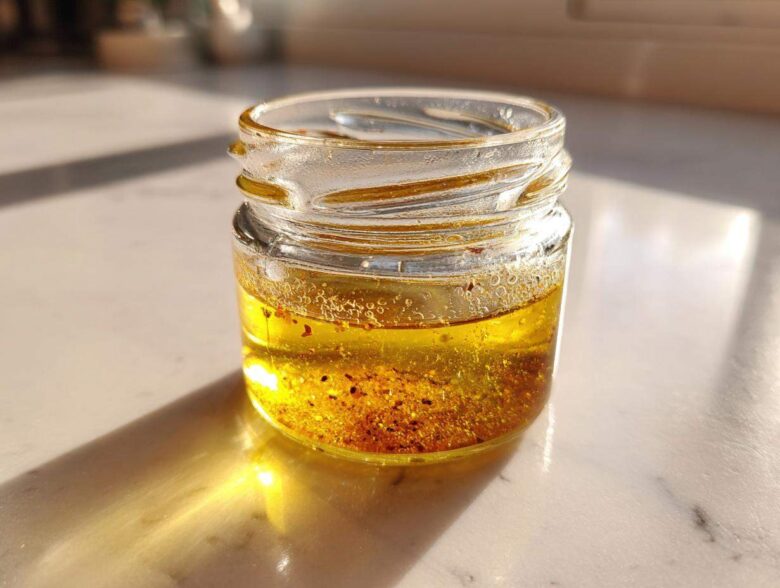
Are you tired of looking at that sad, half-used bottle of store-bought dressing lurking in your fridge door? You know the one—it’s full of weird preservatives and sweeteners you can’t even pronounce. Honestly, it used to ruin perfectly good salads for me! Learning how to whip up your own amazing **salad dressing** completely changed my lunch game. I promise you, once you try these five essential, customizable recipes, you will never go back. The best part? Every single one of these homemade salad dressing recipes takes less than five minutes. Seriously! Mastering these basic techniques meant I wasn’t just tolerating salads anymore; I was actually looking forward to them. If you love fresh ideas, give my veggie lentil salad a try once you have your dressing ready to go. Get ready to shake things up!
Why Homemade Salad Dressing is the Best Choice
There’s just no comparison between what comes out of a jar and what you make right here at home. When you mix up your own **healthy salad dressing**, you gain total control. That means vibrant flavor, zero junk ingredients, and a truly fresh taste that just lasts longer. Forget those weird stabilizer gums they put in the store brands; we’re making these completely **from scratch dressing** masterpieces the right way. If you’re passionate about clean eating, check out my recipe for healthy zucchini bread—it proves simple ingredients can be amazing!
Controlling Sodium and Sugar in Your Salad Dressing
Honestly, some store-bought vinaigrettes are basically sugar water with oil! When you make your own **salad dressing**, you decide exactly how much salt goes in, and you skip those processed sweeteners entirely. It’s so much better for you, and you can actually taste the quality of the oil and vinegar you choose.
The Speed of a Quick Salad Dressing Recipe
People always tell me they don’t have time, but these are truly **quick salad dressing** recipes. We are talking under five minutes total, maybe even less if you’re efficient! That means you can ditch the old bottle and whip up a professional-tasting condiment for your dinner greens on any busy weeknight. It’s nearly instant gratification!
Essential Kitchen Staples for Perfect Salad Dressing
You don’t need a fancy pantry to make incredible **homemade salad dressing**. Seriously, the magic is in keeping a few key items on hand. Once you have these basic **kitchen staples dressing** ingredients, you can whip up almost any flavor you want! I keep my oil and vinegar stocked, and that’s half the battle won. Everything here is about building a solid flavor foundation before we start swapping things out for fun variations later on. If you’ve made my homemade mayonnaise before, you know how important having quality staples truly is!
The Role of Oil and Acid in Any Great Salad Dressing
This is the most critical part: Acid balances the richness of the fat. For my base recipes, I stick to the three-to-one ratio—three parts oil to one part acid. Extra virgin olive oil is my go-to for flavor, but you can use lighter oils too. For the acid, I love red wine vinegar, white wine vinegar, or even apple cider vinegar. They all give you that perfect bright tang!
Emulsifiers: The Secret to a Stable Salad Dressing
If you just shake oil and vinegar together, they separate immediately, right? That’s where the emulsifier comes in. I swear by Dijon mustard. It’s not just about the flavor, although that spicy kick is great; chemically speaking, the mustard helps bind the oil and the vinegar so they stay mingled together longer. If you skip this little helper, expect to shake your jar aggressively every single time you want to use your **salad dressing**.
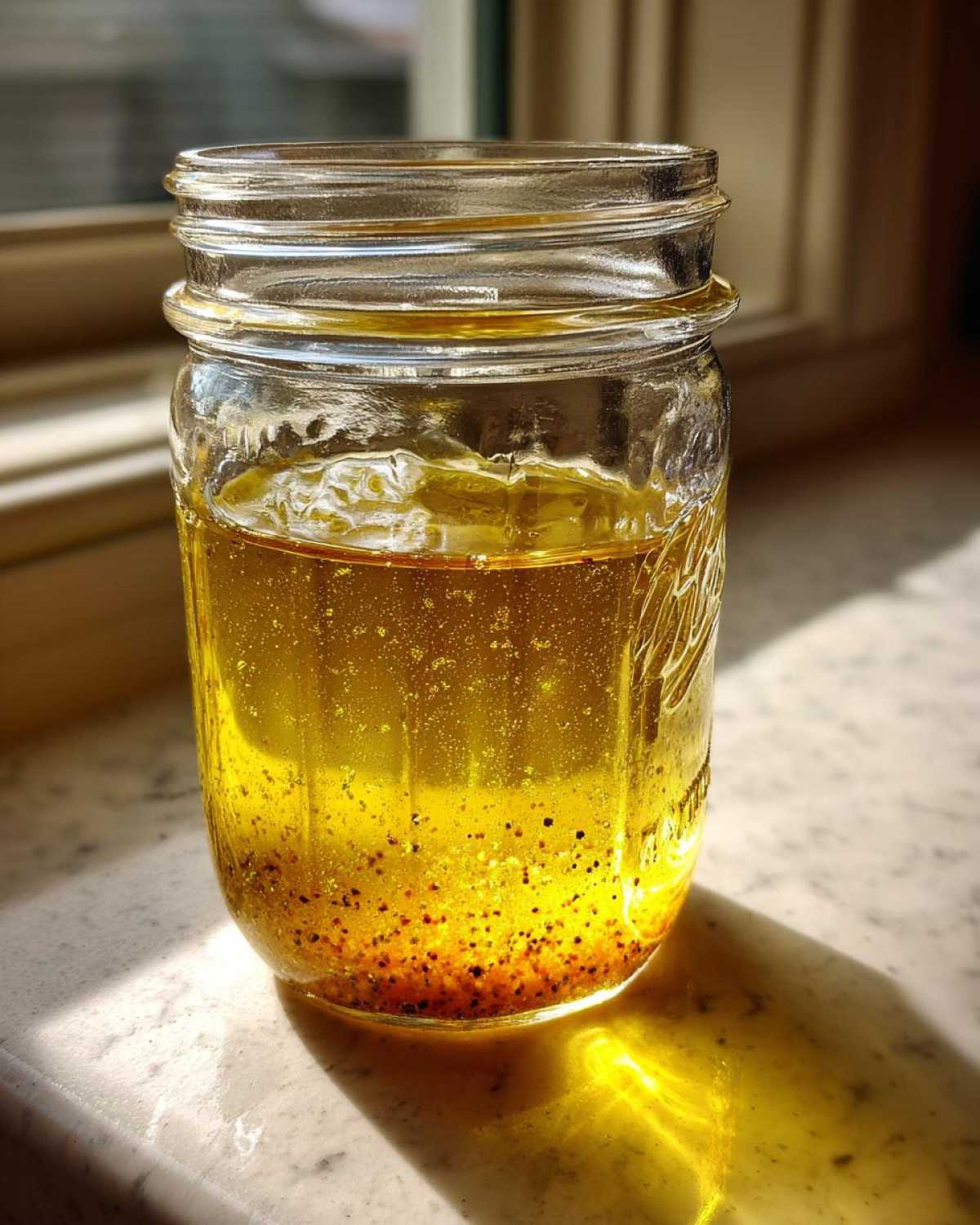
Recipe 1: The Foolproof Classic Vinaigrette Recipe
This is the absolute foundation, the recipe that every cook needs memorized! Once you nail this basic **vinaigrette recipe**, you can pivot into any other flavor profile you want. We’re making this right in the jar, trust me—it’s the easiest way to get that emulsified magic to happen without making a mess.
First, grab a small jar that has a lid that seals tight. Toss in your half-cup of extra virgin olive oil, your quarter-cup of vinegar (red wine vinegar is what I’m grabbing today!), your teaspoon of Dijon mustard, and your salt and pepper. Don’t measure those last two too strictly; it’s just seasoning to start.
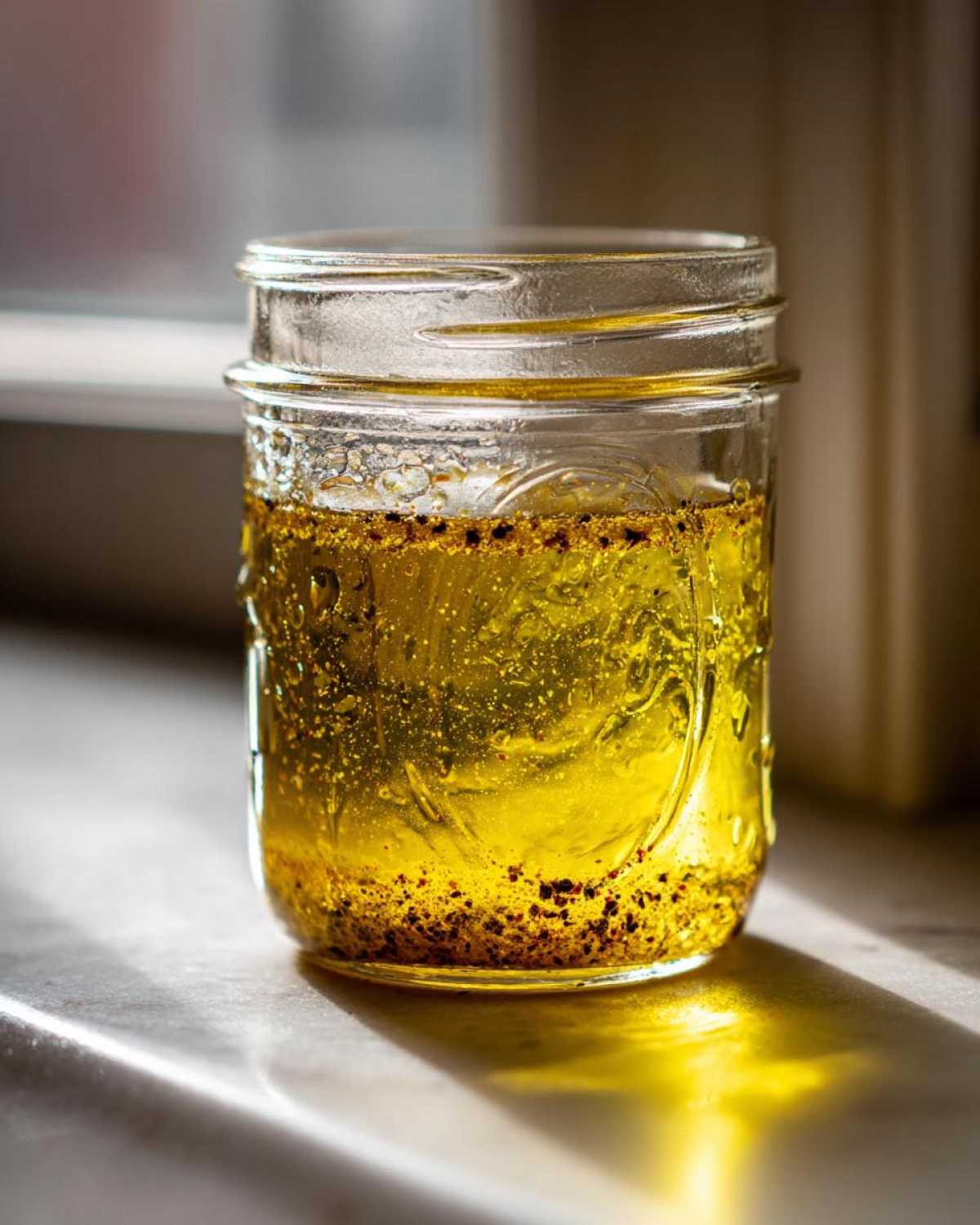
Now, the fun part! Put that lid on tight—ask a kid to double-check it if you need to, because nobody wants a rogue **salad dressing** explosion. Shake that jar like you mean it! Shake it until it looks thicker and cloudy, maybe 15 to 20 seconds of good, hard work. That means the oil and vinegar have finally decided to play nice.
Here’s my big tip for any great **salad dressing**: Taste it! Get a piece of crisp lettuce, dip it, and eat it. Does it need more zing? Add a tiny splash more vinegar. Too sharp? Shake in a touch more olive oil. Adjusting the seasoning right at the end is what takes this from basic to absolutely phenomenal. If you need more ideas for using this basic template, check out my recipe for cabbage salad, which uses a similar tangy base!
Recipe 2: Mastering the Creamy Salad Dressing Base
Okay, we’ve mastered the bright, tangy vinaigrette, but sometimes you just need something richer, right? That’s when we transform our base recipe into a luxurious **creamy salad dressing**. This step is so satisfying because you realize you don’t need to buy those tubs of heavy, high-fat stuff anymore! You can make a healthier version using Greek yogurt or regular mayonnaise as your creamy anchor.
To do this, you’ll follow almost the exact same steps as the classic vinaigrette. Combine your oil, vinegar, Dijon, salt, and pepper in a bowl—I usually use a bowl and a whisk for this adaptation, though a jar still works in a pinch. The key difference is the addition of about half a cup of either plain Greek yogurt or good quality mayonnaise. I lean toward the Greek yogurt myself because it adds a nice soft tang that cuts through the richness, making it a much lighter **salad dressing** overall.
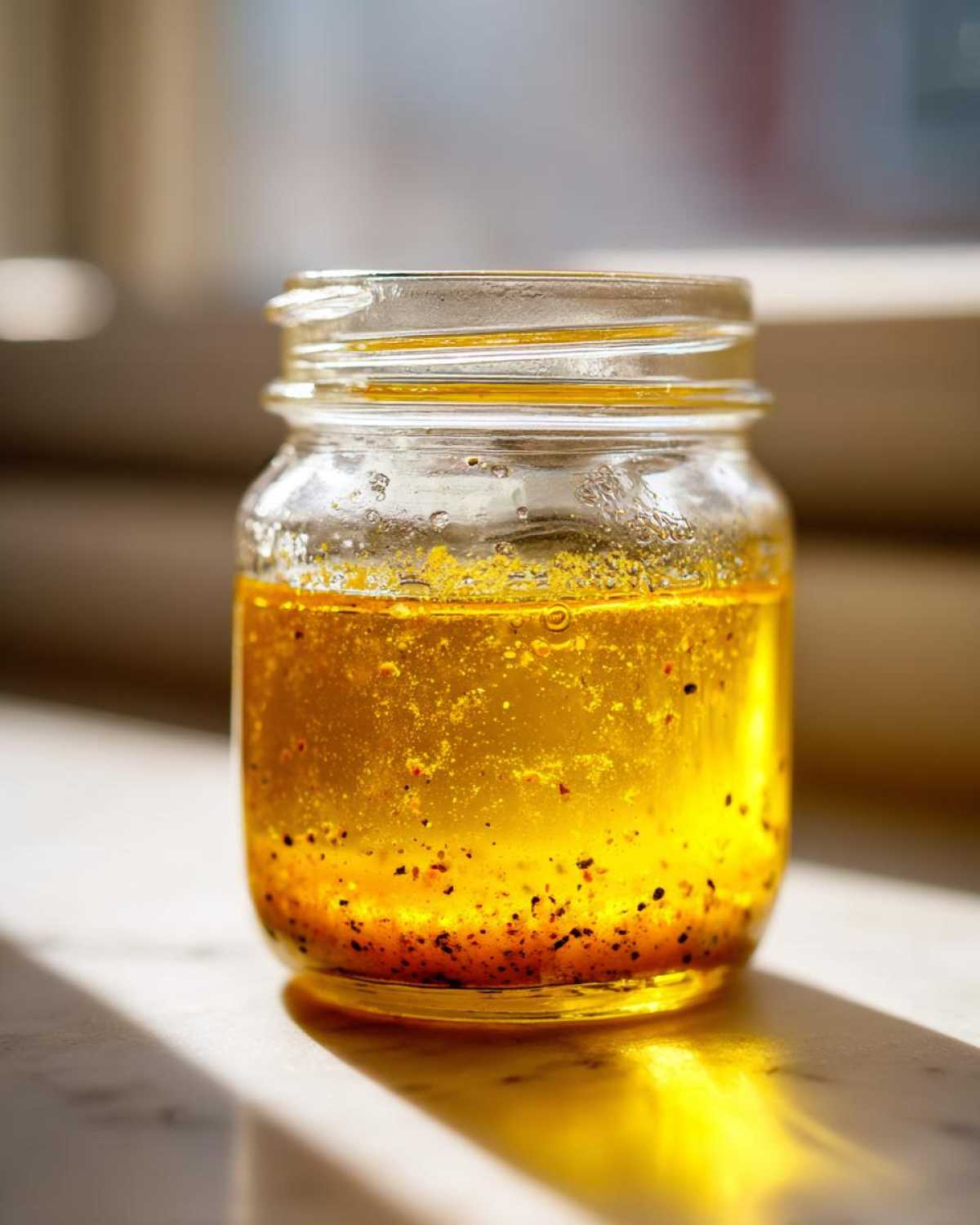
When you start mixing, use a gentle whisking motion to incorporate the creamy element fully. It might look like it’s going to seize up at first, but keep whisking! If the mixture is just too thick for your liking—maybe you want something that drizzles really easily over chopped vegetables—just add a tablespoon or two of plain water or milk until you hit that perfect creamy consistency. It’s totally flexible!
This creamy version is fantastic on sturdier greens or even as a dip. If you’re a fan of rich textures, you absolutely have to try this base with my famous creamy egg salad sometime—it uses a similar binding technique. See? One simple modification unlocks a whole new world of delicious **salad dressing** possibilities!
Recipe 3: Bright Lemon Vinaigrette Recipe for Greens
If you want a truly vibrant, sunshine-in-a-jar **salad dressing**, you have to ditch the standard vinegar for fresh lemon juice. This **lemon vinaigrette recipe** wakes up everything it touches, especially delicate spring greens or simple cucumber and tomato salads. You might think any lemon juice will do, but trust me, you absolutely need the real deal here.
The flavor intensity you get from squeezing a fresh lemon simply can’t be replicated by the bottled stuff, which often tastes metallic or watered down. Plus, fresh juice is one of those ingredients that just makes your whole kitchen smell cleaner and brighter while you’re cooking! It’s a sensory win.
To customize this, we go right back to our classic toolkit. Take the exact measurements for the base vinaigrette—your quality olive oil, salt, pepper, and that little dab of Dijon for insurance. The only change is swapping out that quarter-cup of vinegar for a quarter-cup of freshly squeezed lemon juice. That’s it!
Put it all in your jar, tighten the lid, and shake hard. Since lemon juice is a little less aggressive than some vinegars, you might notice it emulsifies almost instantly. Give it a quick taste test. If you’re using a particularly sweet batch of lemons, you might want to add just a tiny splash more juice to keep that signature tangy flavor. Honestly, this light **salad dressing** is so popular in my house during the summer months; it makes even the plainest greens taste like a three-star restaurant side dish. If you’re looking for ways to use lemon zest in savory dishes, you might want to check out my recipe for creamy lemon chicken!
Recipe 4: Flavorful Honey Mustard Salad Dressing
If you love that perfectly balanced sweet-and-tangy combination, this **Honey Mustard Salad Dressing** is going to be your new favorite **salad dressing** to keep on hand. It takes that sturdy classic vinaigrette base we made earlier and gives it such a warm, comforting personality. It’s just so satisfying when it comes together!
This version is fantastic because it works equally well on sturdy things—like chopped broccoli salads or hearty grain bowls—as it does on something delicate. Personally, I adore drizzling this over a mixed green salad that features crumbled feta cheese and sliced apples. The sweetness of the dressing really plays off the sharp saltiness of the cheese. It’s surprisingly versatile!
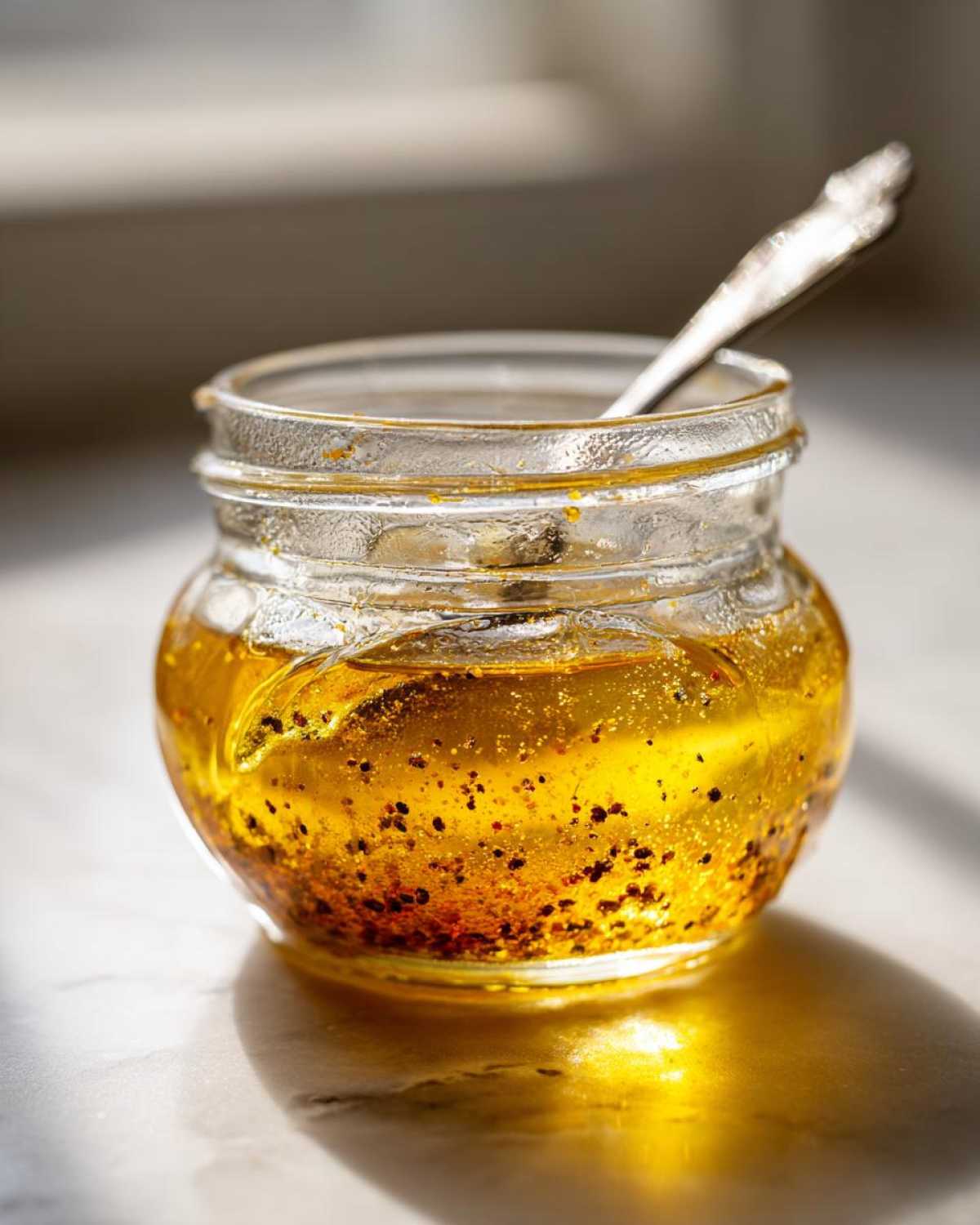
For this one, we start with the basic vinaigrette ingredients already combined: your oil, your vinegar, salt, pepper, and Dijon—yes, we keep that Dijon in because it helps the emulsion! The additions are simple: you’re going to stir in about two tablespoons of lovely honey and one full tablespoon of whole grain mustard. Using whole grain mustard instead of just Dijon really adds a textural element that just screams ‘gourmet’, even though it took zero extra effort.
Once those sweet and spicy additions are in the jar, secure the lid and shake! Don’t overthink this one; you just need everything incorporated and the mustard seeds to be nicely distributed throughout the liquid. You get this gorgeous, slightly thick, golden-colored **salad dressing** that is salty, sweet, sharp, and smooth all at once. It’s a powerhouse, and it proves you can make complex flavor profiles using just kitchen staples! If you are looking for something hearty to go alongside your new favorite dressing, you should try making my recipe for fluffy rice pilaf!
Storing and Reviving Your Homemade Salad Dressing
Now that you have a few amazing **dressing recipes** ready to go, the big question is keeping them fresh! This is easy, thankfully. Just pour whatever you don’t use right away into a clean, airtight container—a mason jar works perfectly. Keep it tucked away in your refrigerator. Most of these ultra-fresh **salad dressing** versions will easily last for a good week, maybe even two if you’re using good quality ingredients.
Here’s the tiny bit of know-how you need: Olive oil tends to get a little firm or even solidify when it’s really cold. So, if you pull your vinaigrette out and it looks chunky or separated, don’t panic! Just let it sit on the counter for about 10 minutes before you plan to use it. Once it warms up just slightly, give the jar a real good vigorous shake, and bam! It turns back into that perfectly smooth **salad dressing** you made earlier. If you’re interested in other things that store well, my moist date nut bread stays great for days!
Frequently Asked Questions About Salad Dressing
I get asked about these homemade **dressing recipes** all the time! It’s great that people are switching over to making them **from scratch dressing** at home, but sometimes you just have a little confusion about storage or adjustments. Don’t worry, I’m happy to share all my little kitchen tricks regarding your new favorite **salad dressing** concoctions!
How long does homemade salad dressing last in the fridge?
Because we aren’t using any weird preservatives, the shelf life is shorter, but honestly, my **fresh salad dressing** rarely lasts long enough to matter! Generally, you can expect about one to two weeks in a tightly sealed container in the fridge. You’ll know when it’s gone bad because it will either start to smell off, or you might notice some fuzzy mold creeping in, especially if you added something like fresh minced garlic. If it’s just separated, that’s normal; just shake it up!
Can I make a vegan version of this salad dressing?
Absolutely, yes! The basic Classic Vinaigrette—oil, vinegar, Dijon, S&P—is already naturally vegetarian and usually qualifies as **vegan salad dressing** as long as your Dijon mustard is vegan (most are, but always double-check!). The creamy recipes are where you need to swap things out. For that one, ditch the Greek yogurt or mayo and use a plain, unsweetened plant-based yogurt alternative, like cashew or soy yogurt. Make sure it’s thick enough that it still acts as a proper emulsifier to keep your **creamy salad dressing** smooth!
What is the best way to add herbs or spices to my salad dressing?
This is where you can really start experimenting and making these recipes your own! If you’re using dried herbs—like dried oregano, thyme, or Italian seasoning—throw them right in with the initial ingredients *before* you shake. The vigorous shaking helps distribute them evenly, and it lets them rehydrate slightly in the oil. If you’re using fresh herbs, like dill or parsley, it’s better to chop them super finely and stir them in *after* you have shaken and emulsified the base. We don’t want to tear up the fresh herbs too much during the shaking process!
If you want to see this in action, I often use dried Italian spices when I make the dressing for my Cowboy Caviar—it’s fantastic!
Next Steps for Your Homemade Condiments Journey
Wow, we made it through five different kinds of custom **salad dressing**! I truly hope you feel empowered now to toss out those dusty old bottles for good. My philosophy is that if you can master these five basics, you’ve unlocked the secret to amazing salads forever. I love hearing about how you guys customize these recipes for your own families!
Tell me, which variation are you making first? Are you sticking with the bright **Lemon Vinaigrette Recipe**, or are you diving into something rich like the **Creamy Salad Dressing**? Drop a comment below and let me know! If you invented a totally new flavor combination using these bases, please share your ratio—we can all learn from each other’s creativity in the kitchen. It helps build up our community of folks who want the best, freshest food on the table!
If you’re hungry for more whipping inspiration that’s quick and uses simple ingredients, you need to wander over and check out the rest of what we’re cooking up on the main blog page. Happy tossing, everyone!
PrintMaster Homemade Salad Dressing Guide
A collection of five essential, easy-to-make salad dressing recipes using common kitchen staples, covering vinaigrettes and creamy styles.
- Prep Time: 5 min
- Cook Time: 0 min
- Total Time: 5 min
- Yield: About 1 cup
- Category: Condiment
- Method: Mixing
- Cuisine: American
- Diet: Vegetarian
Ingredients
- 1/2 cup extra virgin olive oil
- 1/4 cup vinegar (red wine, white wine, or apple cider)
- 1 teaspoon Dijon mustard
- 1/2 teaspoon salt
- 1/4 teaspoon black pepper
- For Creamy Dressing: 1/2 cup plain Greek yogurt or mayonnaise
- For Lemon Vinaigrette: 1/4 cup fresh lemon juice instead of vinegar
- For Honey Mustard: 2 tablespoons honey and 1 tablespoon whole grain mustard
Instructions
- For the Classic Vinaigrette: Combine the oil, vinegar, Dijon mustard, salt, and pepper in a small jar with a tight-fitting lid.
- Secure the lid tightly and shake the jar vigorously until the dressing emulsifies and thickens slightly.
- Taste the dressing and adjust salt, pepper, or vinegar as needed for your preference.
- For Creamy Dressing: Whisk the base ingredients (oil, vinegar, mustard, seasoning) into 1/2 cup of Greek yogurt or mayonnaise until smooth. Add 1-2 tablespoons of water or milk if you need a thinner consistency.
- For Lemon Vinaigrette: Substitute the vinegar with fresh lemon juice and proceed with shaking as in step 1.
- For Honey Mustard: Add honey and whole grain mustard to the base vinaigrette ingredients before shaking.
- Store all dressings in an airtight container in the refrigerator. Let them sit at room temperature for 10 minutes before serving if they have separated or solidified.
Notes
- You can substitute any vinegar with balsamic vinegar for a darker, sweeter flavor profile.
- For a garlic flavor, add one small clove of minced garlic to any recipe before shaking.
- If your vinaigrette separates after refrigeration, shake it again before use.
Nutrition
- Serving Size: 2 tablespoons
- Calories: 120
- Sugar: 0.5
- Sodium: 150
- Fat: 14
- Saturated Fat: 2
- Unsaturated Fat: 12
- Trans Fat: 0
- Carbohydrates: 0.5
- Fiber: 0
- Protein: 0.1
- Cholesterol: 0