

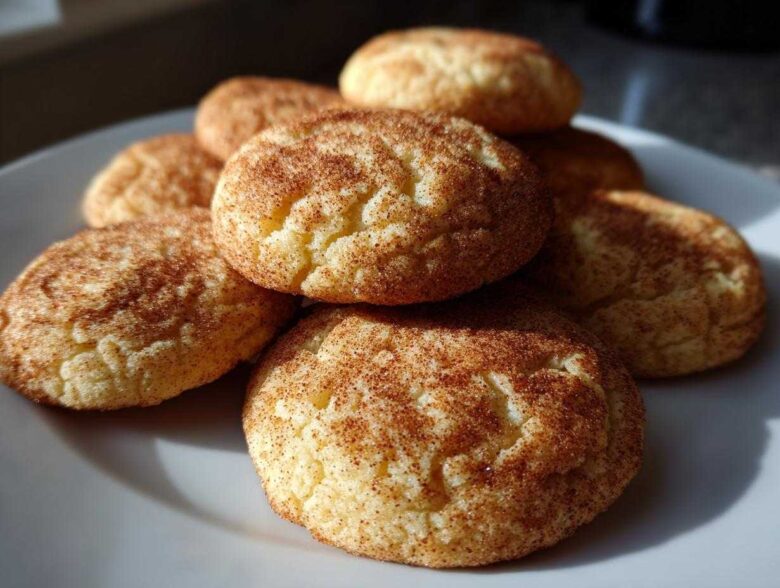
Oh, there is nothing in this world quite like that first bite of a warm, perfectly spiced snickerdoodles. It just pulls me right back to the kitchen table when I was a kid, smelling that sweet cinnamon cloud floating everywhere. A lot of folks end up with cookies that look fine but taste like dry crackers, and that’s a baking tragedy! I’ve spent years perfecting this batch because I refuse to settle for anything less than the best snickerdoodle recipe out there. Trust me, the secret weapon—that beautiful, tangy ingredient—is non-negotiable for achieving that wonderfully soft and chewy texture we both crave. If you want that melt-in-your-mouth cookie that stays chewy for days, I think you’ll find my method for these classic homemade snickerdoodles is foolproof. If you ever need tips for other classics, check out my favorite way to make chocolate chip cookies right here.
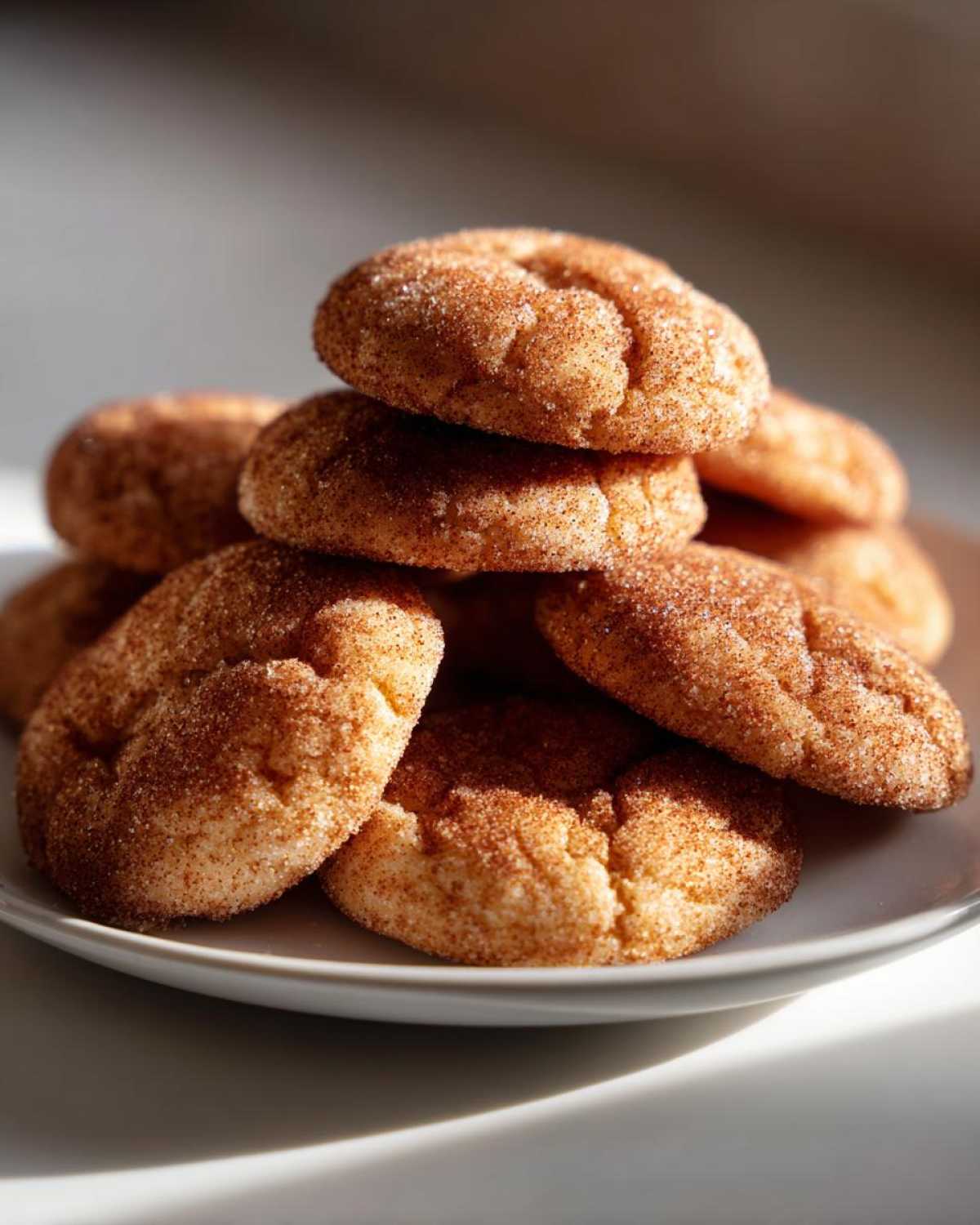
Why You Will Make the Best Snickerdoodles Every Time
I know you’re looking for those perfect soft and chewy cookies, and honestly, this recipe delivers that bakery style texture without all the fuss. So, why is this the last recipe you’ll ever need?
- The texture is unbelievably tender and chewy, never cakey or dry.
- It uses basic, easy-to-find pantry staples—no fancy sourcing required!
- The signature crackle on top is guaranteed from the proper amount of cream of tartar cookies magic.
Essential Ingredients for Perfect Snickerdoodles
Okay, grab your apron because the ingredient list for these cookies is wonderfully straightforward. You likely have everything sitting in your pantry already! For the dough, we need one full cup of softened butter—and I mean properly softened, not melted, otherwise, they’ll spread out like puddles. Plus, the two large eggs and vanilla are necessary for structure and flavor.
Now, let’s talk about the dry side. Flour, baking soda, and salt are the usual crew, but the star is the two teaspoons of cream of tartar. This is what separates your average cinnamon cookie from the best snickerdoodle recipe. That cream of tartar is what gives the cookie that fantastic, slightly tangy flavor profile and locks in the chewiness. If you’re curious about how much moisture matters, you can check out my notes in the date nut bread recipe guide here.

For the coating, you just need the remaining sugar mixed with about three tablespoons of ground cinnamon. That’s it! Simple components leading to spectacular results, every single time.
Equipment Needed for Your Snickerdoodles Recipe
You don’t need a big fancy setup for these amazing homemade snickerdoodles, which is what makes them such a great weeknight treat. I usually pull out everything before I even start creaming the butter.
Here’s what you’ll definitely want ready to go:
- One large mixing bowl for the wet ingredients.
- A medium bowl for whisking your dry ingredients together (flour, soda, tartar, salt).
- A separate, shallow dish for rolling those dough balls around in that sweet cinnamon mixture.
- An electric mixer—handheld or stand mixer—to get that beautiful, fluffy creamed base. You can do it by hand, but wow, your arm will be tired!
- Baking sheets! I use two full sheets so I can bake them closer together without them touching when puffing up.
- Parchment paper. Seriously, don’t skip this. It makes cleanup a breeze and ensures your bottoms don’t stick.
How to Make Snickerdoodles: Step-by-Step Instructions
This is where the magic happens! Don’t get intimidated by the steps; it’s all very straightforward, but timing matters, especially when we are aiming for perfectly chewy cookies. First things first: get your oven roaring hot to 375 degrees Fahrenheit, and line those baking sheets immediately with parchment paper. I learned the hard way that trying to scrape these off a bare pan just ruins the presentation.
In your big bowl, you’re going to cream the softened butter with 1 cup of the sugar. You need to beat this until it’s really light and fluffy—we’re looking for that whipped honey look, maybe three or four good minutes with the mixer. Then, one by one, beat in your two eggs, followed by the vanilla extract. Make sure each egg is fully incorporated before adding the next!
In a separate bowl, give a quick whisk to your dry stuff: the flour, that essential cream of tartar, baking soda, and salt. Now, for the biggest tip in this section: gradually add the dry mixture to the wet stuff. Mix it until it just comes together. I mean it—stop mixing the second you don’t see major streaks of flour anymore! Overmixing ruins the final texture of these easy cinnamon sugar cookies.
While that dough is resting for a second, mix up your coating—the remaining half cup of sugar and all that cinnamon in a shallow dish. Roll your dough into nice, even 1 1/2-inch balls. You want them nice and round before you dunk them completely into that cinnamon sugar blend. Get them fully coated. If you need a detailed guide on general mixing hacks, check out my post on easy cookie baking tips.
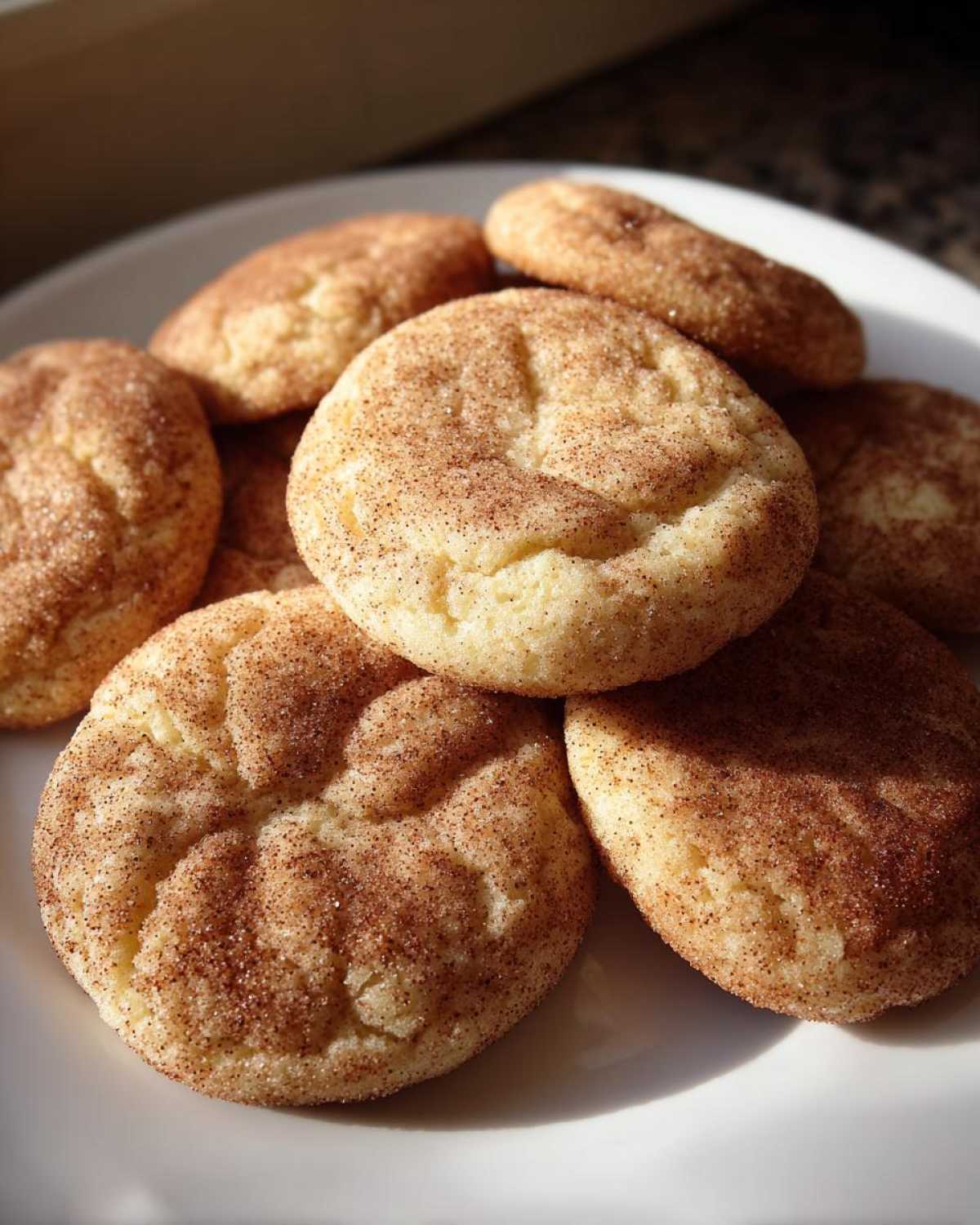
Space them about two inches apart on your parchment-lined sheets. They need room to spread! Pop them into the oven for 9 to 11 minutes. Remember what I said about texture? Pull them out when the very edges are set, but the centers still look a little pale and soft. They firm up on the pan, giving you those fantastic, melt in your mouth cookies. Let them sit for five minutes before you move them to the cooling rack—patience pays off!
Expert Tips for Achieving Superior Snickerdoodle Texture
Okay, now that you know the basic steps for how to make snickerdoodles, let’s talk about those finer points that separate a good cookie from what I consider a truly great batch of homemade snickerdoodles. The number one mistake people make is overbaking. You want these to be the perfectly chewy cookies we talked about, right? Well, if you wait until the center looks completely done, it’s going to be dry later.
Instead, follow my rule: pull them out when they still look slightly tacky in the middle. They will continue to bake on that hot sheet pan for about five minutes after they leave the oven. That slight underbake is crucial for that melt-in-your-mouth quality.
Another pro move that makes a huge difference, especially if your kitchen is warm or you want really thick bakery style snickerdoodles that don’t spread too much, is chilling the dough. If you scoop your dough balls, roll them in the cinnamon sugar, and then pop the whole tray into the fridge for thirty minutes, you’re setting yourself up for success. They bake up a little taller and chewier, and that is exactly what we want in the best snickerdoodle recipe.
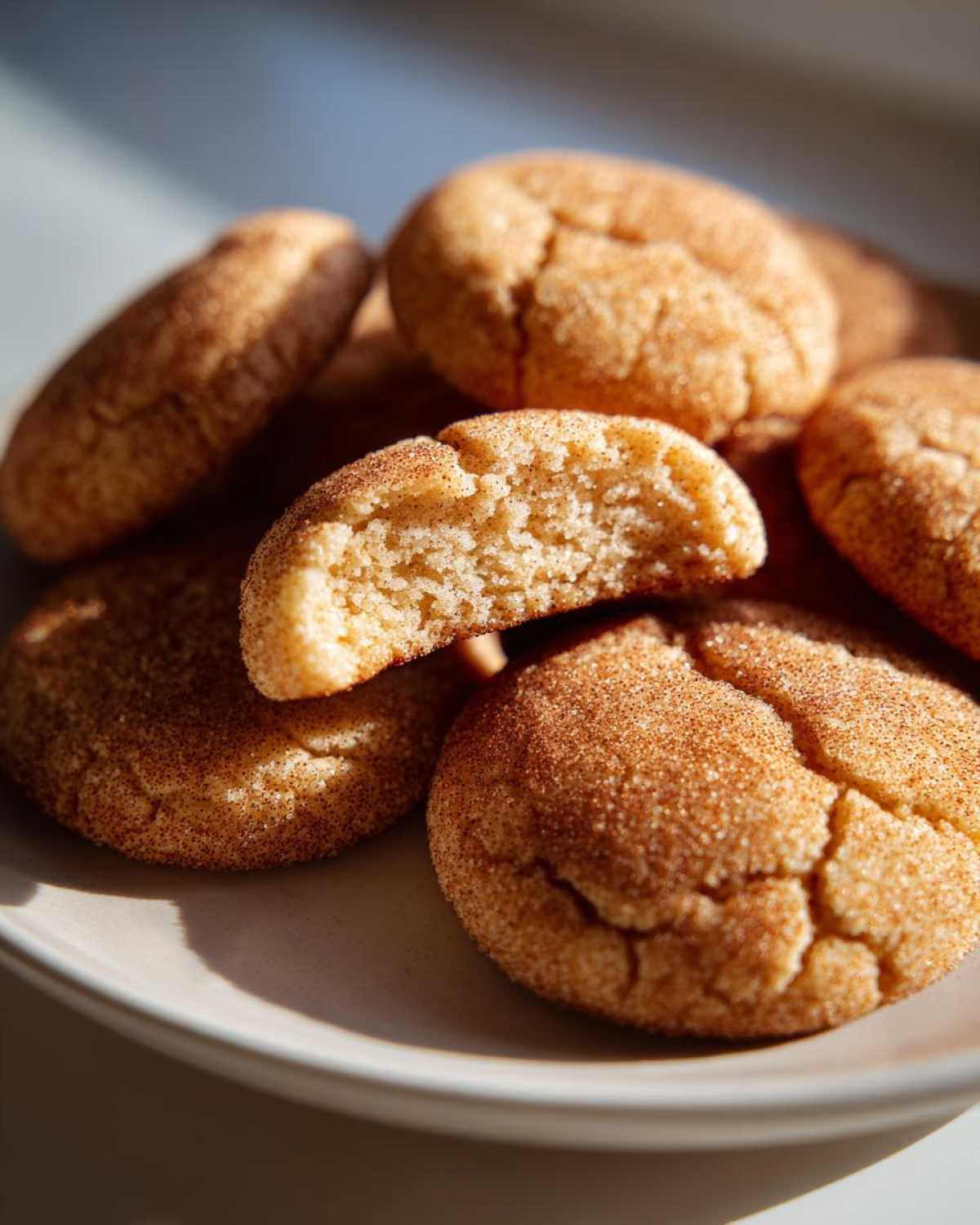
If you’re interested in other recipes that really master chewy texture, you should take a look at my review on the best snickerdoodle recipe variations, as texture is always the biggest deal for me!
Ingredient Notes and Substitutions for Snickerdoodles
I get so many questions about substitutions, and honestly, for these specific homemade snickerdoodles, some ingredients we just can’t mess with too much if we want that classic result! The cream of tartar is the absolute boss ingredient here. It’s what gives you that signature slight tang—think of it as the little bit of sour that balances all that sweet sugar and spice. If you skip it entirely, you end up with what is basically just a basic sugar cookie rolled in cinnamon, and we want more than that!
If you’re in a pinch and have zero cream of tartar, you can substitute it with an equal amount of lemon juice or white vinegar, but you need to know this changes things. It works because it’s acidic, but it might make your cookies a little less tender. Don’t try to use baking powder instead; that messes with the rise and the texture completely.
Also, please pay attention to your butter temperature! I mentioned it before, but it’s worth repeating: the butter needs to be softened but still cool to the touch. If it’s too warm, it will melt immediately in the oven and cause your cookies to spread thin before the structure has a chance to set. A slightly warm, greasy mix means flat, crispy edges, and nobody wants that!
Storage and Reheating Instructions for Your Snickerdoodles
I always hope these easy cinnamon sugar cookies disappear the day I bake them, but let’s be real, sometimes we have leftovers! The good news is that these homemade snickerdoodles keep their texture really well at room temperature. Just toss them into an airtight container—no fridge needed; refrigeration actually makes cookies go stale faster.
They should stay perfectly soft and chewy for about four or five days. If they happen to stiffen up on day six (rare, I promise!), don’t toss them! Pop two or three cookies on a microwave-safe plate for about 8 to 10 seconds. That little burst of warmth wakes up the butter and melts the sugar just enough to bring back that beautiful, fresh-out-of-the-oven softness for the best holiday cookies.
Frequently Asked Questions About Snickerdoodles
Why do my snickerdoodles flatten out when I bake them?
Flattening is usually one of two things! First, check your butter temperature. If it’s too soft or melted, the cookie spreads too fast before it sets up. Second, if you are in a warmer kitchen, chilling the dough for thirty minutes before rolling it helps tremendously. This keeps the dough firm so you get those lovely, crackled tops instead of flat discs. This is a major focus in my snickerdoodle texture guide!
What is the key difference between a snickerdoodle and a sugar cookie?
It all comes down to two things: the spice and the acid! Sugar cookies are often just rolled in plain sugar, maybe with some sprinkles. Our classic cookie recipe uses that generous swirl of cinnamon sugar coating. More importantly, the cream of tartar in snickerdoodles provides that unique slight tang and ensures the cookie stays soft and chewy, making them distinct from standard sugar cookies.
Can I make these without cream of tartar?
You can, but honestly, if you want the best snickerdoodle recipe results, you really shouldn’t skip it! It’s what defines the cookie. If you absolutely must substitute, you can try replacing the two teaspoons of cream of tartar with about 3/4 teaspoon of baking powder plus 1/2 teaspoon of lemon juice. But I highly recommend just grabbing some cream of tartar; it lasts forever and is worth it for perfectly chewy cookies.
How can I get those pronounced crackles on top?
Those little fissures are the sign of a perfectly executed, nostalgic dessert recipe! The crackles come from two things working together: the reaction between the baking soda and the cream of tartar creates gases that push up the dough unevenly, and the thick coating of cinnamon sugar on the outside helps set the surface quickly. Make sure you roll them *very* thoroughly in the cinnamon sugar; don’t be shy about it!
Share Your Favorite Classic Cookie Recipe
I really, truly hope this batch of snickerdoodles hits that soft and chewy spot you’ve been dreaming of! Baking is all about sharing, so I want to know exactly how they turned out for you. Did you get those gorgeous crinkles on top? Were they as melt-in-your-mouth as you hoped?
Please, please, leave a rating and tell me all about your results in the comments below. I read every single one! And if you snapped a picture of your perfectly spiced treats, tag me on social media. Seeing what you all bake in your kitchens is seriously the highlight of my day.
When you’re ready for your next reliable bake, I’ve got hundreds of tested and loved recipes waiting for you over on the main blog page!
PrintClassic Soft and Chewy Snickerdoodles with Cream of Tartar

A straightforward recipe for making soft, chewy Snickerdoodle cookies featuring the signature tangy flavor and crackled top achieved with cream of tartar.
- Prep Time: 20 min
- Cook Time: 11 min
- Total Time: 31 min
- Yield: 3 dozen
- Category: Dessert
- Method: Baking
- Cuisine: American
- Diet: Vegetarian
Ingredients
- 1 cup unsalted butter, softened
- 1 1/2 cups granulated sugar, divided
- 2 large eggs
- 2 teaspoons vanilla extract
- 2 3/4 cups all-purpose flour
- 2 teaspoons cream of tartar
- 1 teaspoon baking soda
- 1/2 teaspoon salt
- 3 tablespoons ground cinnamon
Instructions
- Preheat your oven to 375 degrees Fahrenheit. Line baking sheets with parchment paper.
- In a large bowl, cream together the softened butter and 1 cup of the granulated sugar until light and fluffy.
- Beat in the eggs one at a time, then mix in the vanilla extract.
- In a separate bowl, whisk together the flour, cream of tartar, baking soda, and salt.
- Gradually add the dry ingredients to the wet ingredients, mixing until just combined. Do not overmix.
- In a small, shallow bowl, mix the remaining 1/2 cup of granulated sugar with the ground cinnamon.
- Roll the dough into 1 1/2-inch balls. Roll each ball thoroughly in the cinnamon-sugar mixture until fully coated.
- Place the coated dough balls about 2 inches apart on the prepared baking sheets.
- Bake for 9 to 11 minutes, or until the edges are set but the centers still look slightly soft.
- Let the cookies cool on the baking sheet for 5 minutes before transferring them to a wire rack to cool completely.
Notes
- For the softest cookies, slightly underbake them; they will firm up as they cool.
- If you prefer a stronger tang, increase the cream of tartar to 2 1/4 teaspoons.
- Chill the dough for 30 minutes before rolling for thicker cookies that spread less.
Nutrition
- Serving Size: 1 cookie
- Calories: 150
- Sugar: 14g
- Sodium: 95mg
- Fat: 7g
- Saturated Fat: 4g
- Unsaturated Fat: 3g
- Trans Fat: 0g
- Carbohydrates: 21g
- Fiber: 0g
- Protein: 2g
- Cholesterol: 30mg