

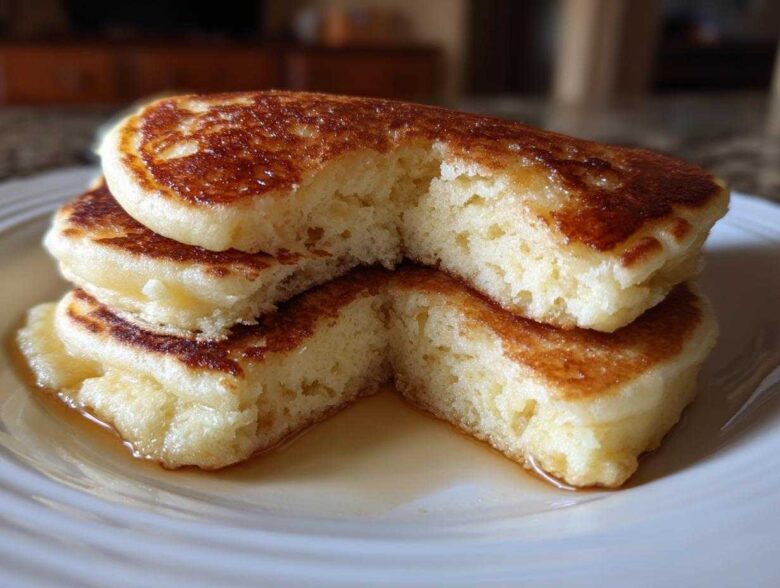
There’s nothing quite like that first bite of a truly perfect stack of flapjacks, right? I’m talking about pancakes so light they practically float off your plate, with that tangy kiss of authentic flavor that reminds you of a classic diner breakfast. Forget the flat, rubbery failures—I’ve spent years tweaking this recipe until I landed on the absolute ultimate **Buttermilk Pancakes** you’ll ever make from scratch.
Trust me, I know what I’m talking about. Once you master this technique—it’s all about the buttermilk doing the heavy lifting—you’ll save yourself so much time on weekend brunch planning. This simple method guarantees a tall, tender rise every single time we make them!
Why You Will Make The Best Buttermilk Pancakes Recipe
Listen, you don’t need a box mix when you have this simple formula. When you follow my steps for these Buttermilk Pancakes, you’re getting a result that beats anything store-bought. I promise you’ll want to keep this one bookmarked for all your morning sweet treats!
- You finally nail that incredible lift—these are genuinely light, airy pancakes, not dense little hockey pucks.
- The flavor is spot-on: that perfectly balanced, slightly tangy authentic buttermilk flavor that needs nothing more than melted butter to shine.
- The entire process, from mixing to flipping, takes less than 30 minutes, making it perfect for any quick breakfast or slow weekend brunch ideas.
- We use baking soda and baking powder together, which gives you a double dose of fluffiness that lasts!
- The batter ratio is calibrated exactly right so you get thick pancakes without any fuss or complicated techniques.
- We always get those beautiful golden-brown edges that look just like classic diner style pancakes, thanks to the perfect griddle temperature.
If you’re looking for the ultimate fluffy buttermilk pancakes recipe, this is the winner. Seriously, don’t even think about trying another one!
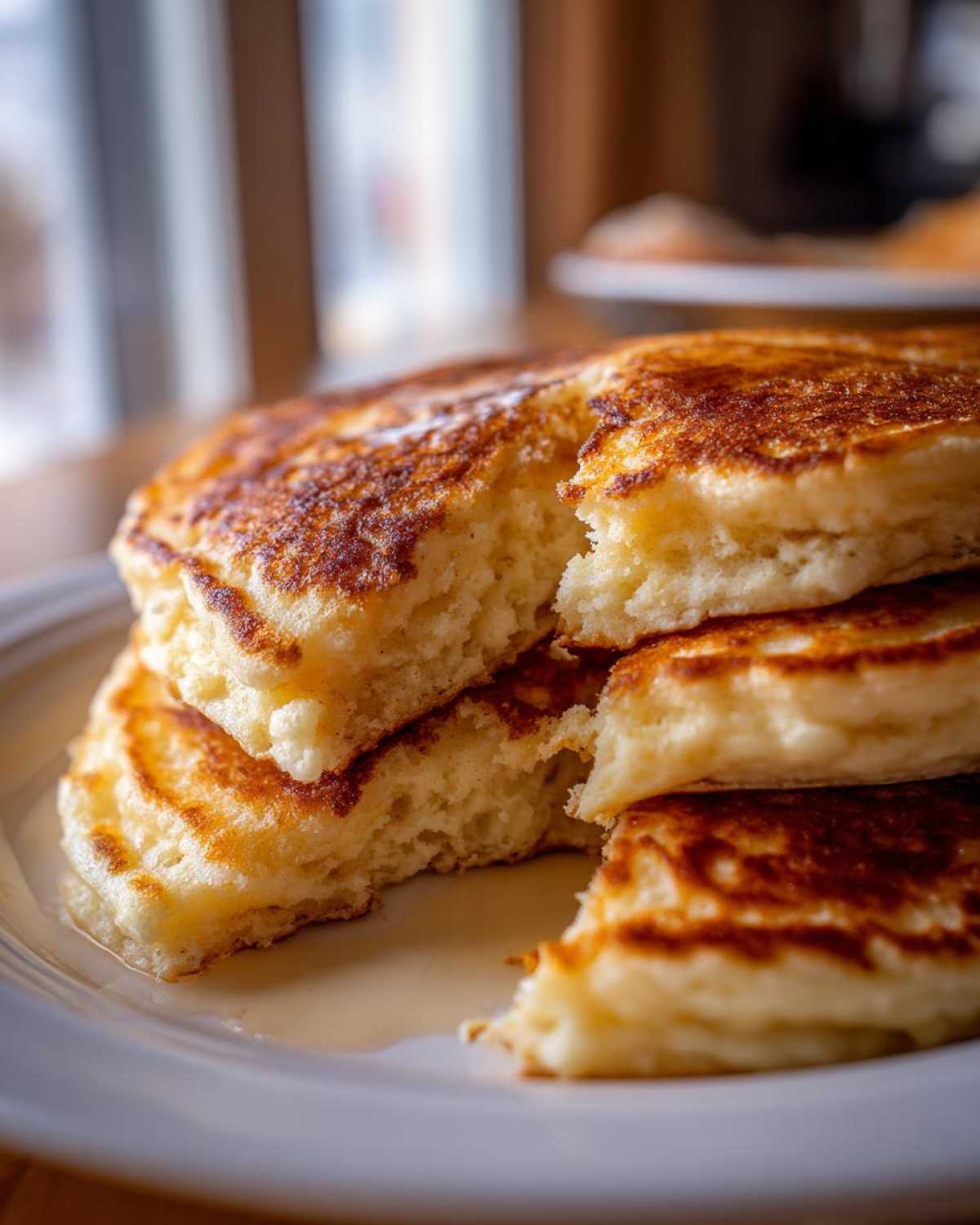
Essential Ingredients for Fluffy Buttermilk Pancakes
This recipe is straightforward, which is why it works so well for an easy breakfast that tastes gourmet. You don’t need fancy equipment or exotic flours here, just standard pantry goods handled with a little love. The magic starts with the list itself. We’re using two full cups of all-purpose flour to get a decent batch size—about 12 perfect pancakes.
We need just a touch of sugar for flavor, but the real structural work comes from baking powder and baking soda working together. That baking soda is what loves our buttermilk! Don’t skip the teaspoon of salt; it wakes up all the other flavors.
Then we move to the wet side! Two large eggs provide body, but the star, of course, is the two cups of buttermilk—that’s what delivers that authentic flavor we are chasing. Make sure your 4 tablespoons of unsalted butter are melted before you add them, and a splash of vanilla is non-negotiable to round out the taste.
If you want to try some fruit variations, maybe check out my banana pancakes to use up overripe fruit!
Ingredient Notes and Buttermilk Substitutes for Buttermilk Pancakes
Okay, let’s talk about the absolute king of this whole operation: the buttermilk. You simply cannot get that perfect tang and that incredible rise without it. The acidity in the buttermilk gets super reactive with our baking soda, and that’s what creates all those bubbles internally, resulting in those light and airy pancakes we are obsessed with.
If you open your fridge and realize you’re totally out—don’t panic! This happens to me all the time when I’m planning a spontaneous breakfast. You can whip up a fantastic substitute in about five minutes. Just take your regular milk—whole milk is best, if you have it—and stir in two tablespoons of white vinegar or lemon juice. Let that sit on the counter for five minutes, and watch it curdle just a bit. That’s your homemade buttermilk!
While the substitute works great in a pinch, nothing truly beats the real deal for that deep, authentic buttermilk flavor. I use real buttermilk whenever I can, just like in my cornbread recipe; it just brings a complexity you can’t quite fake.
How to Prepare The Ultimate Fluffy Buttermilk Pancakes
Making these Buttermilk Pancakes is simple, but the order and gentleness of mixing are what separates the spectacular from the sad. First things first, keep your wet and dry ingredients separate until the last possible second. Get all your dry stuff—flour, sugar, leaveners, and salt—whisked together well in your biggest bowl. This makes sure the baking powder is evenly distributed!
Now, in a separate bowl, whisk your eggs, buttermilk, vanilla, and that beautifully melted butter until they look harmonious. When you’re ready, pour the wet mixture right into the dry. Here is the most important part: mix it gently! I mean it. You should stop whisking the second you see the flour disappear. If you see lumps, leave them alone! Lumps mean less gluten development, which means fluffier pancakes. Seriously, if you try to make it perfectly smooth, you’ll end up with tough chews. Head over and read my pancake batter secrets if you need a visual on what *not* to do!
Mixing the Dry and Wet Components
Once the two bowls meet, treat that batter with respect. A few quick passes with a spatula or a light whisk is all it needs. Seriously, stop mixing when it looks shaggy. If your batter looks more like cottage cheese than cake batter, you’re doing it right! Let that batter rest for about five or ten minutes now if you can spare the time. That rest lets the leavening agents really start working, giving you that extra lift.
Griddle Temperature and Cooking Timing for Buttermilk Pancakes
Get your griddle or non-stick pan on medium heat. You don’t want it smoking hot, or the outside will burn before the middle cooks. A quick water droplet test works wonders: if the drop sizzles and evaporates right away, you’re good to go! Lightly grease it (I prefer just a tiny bit of butter for flavor) and pour about a quarter cup of batter per pancake.
Now, wait patiently! You are looking for two signs before you even think about flipping: first, you’ll see bubbles popping all over the top surface, and second, the edges have to look set, sort of dull. That usually takes about 2 to 3 minutes. Flip them carefully and cook the second side until golden brown, probably just another minute or two. They cook much faster once flipped!
Expert Tips for Perfect Buttermilk Pancakes Every Time
Listen, even with the perfect ingredients, a few little tricks will jump your results from good to legendary. I always say that mastering Buttermilk Pancakes isn’t just about the ingredients; it’s about treating the batter right! The recipe notes mention resting the batter for five to ten minutes, and I need you to treat that like a non-negotiable appointment.
That rest time allows the baking powder and baking soda to become fully active because of that buttermilk acid we talked about. If you skip it, the fluffiness suffers, trust me! Also, baking soda and baking powder lose their punch over time, so I always make sure mine are fresh. If they don’t fizz when dropped in vinegar or hot water, toss them!
When you’re flipping, make sure the griddle stays warm, not scorching hot. If you’re making a huge weekend brunch, don’t just stack them on a cold plate! I use a trick my aunt taught me: keep them warm in a single layer on a baking sheet inside a very low oven—around 200°F works perfectly. They stay warm and soft until everyone sits down.
If you’re feeling adventurous and want to switch up the texture, I have an amazing oatmeal pancakes recipe too, but for classic comfort food, these buttermilk ones are the gold standard!
Serving Suggestions for Your Buttermilk Pancakes Breakfast
Once those perfect, golden rounds are off the griddle, the real fun begins! These are fantastic just wrapped in a warm towel, but truly, they are a canvas for flavor. For a classic experience, you absolutely need great syrup and butter, of course. I never settle for the thin, corn-syrup stuff anymore. A pure maple syrup, warmed slightly, just pools perfectly into those little air pockets in the pancake.
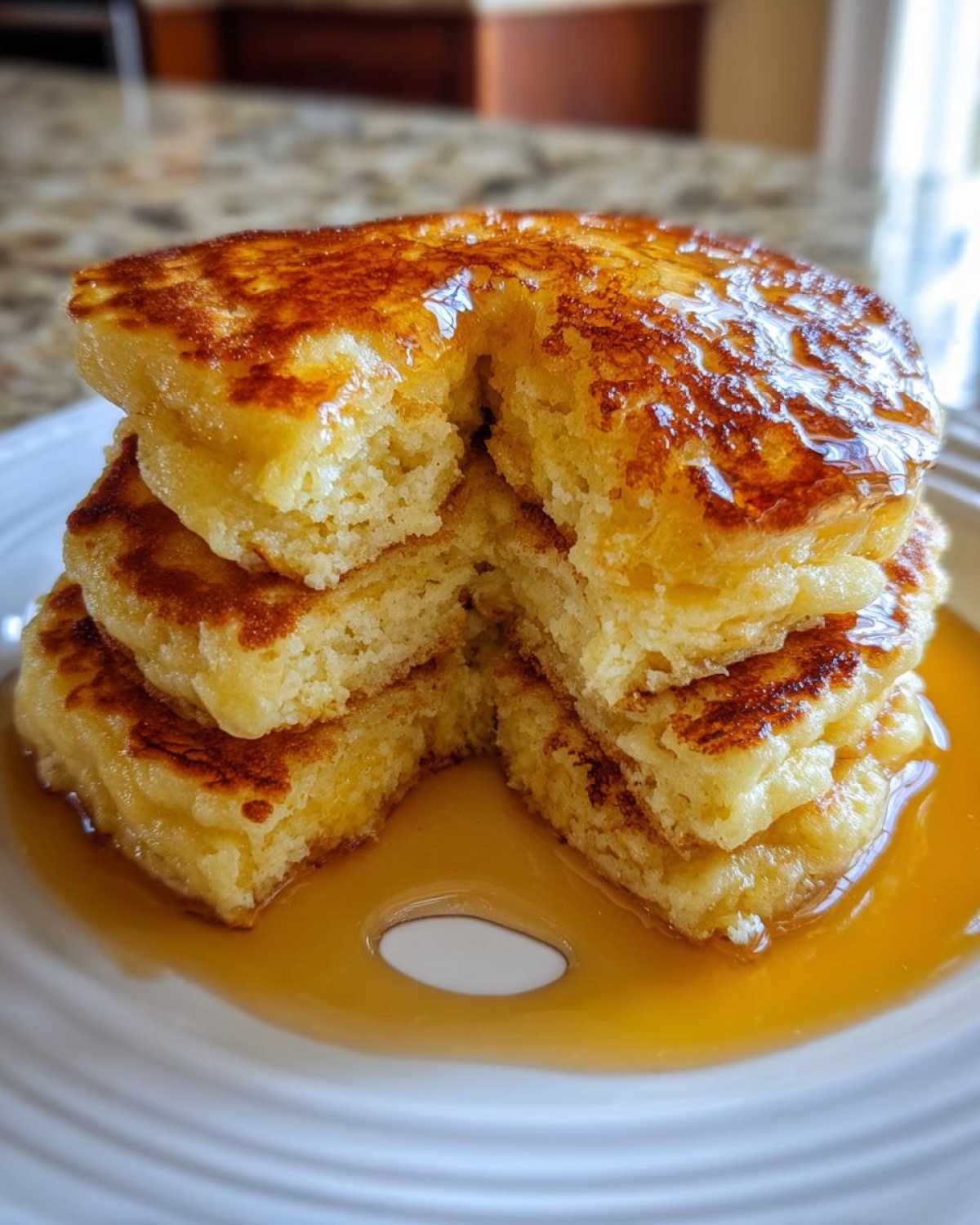
And butter! You can’t just use any stick from the fridge. I highly recommend taking a few minutes to whip up some flavored butter. My favorite for these is my easy whipped honey butter recipe. It melts beautifully and adds a huge layer of indulgence without making things too complicated.
If you’re looking to elevate your weekend brunch ideas, think fresh fruit. Blueberries stirred into the batter right before cooking make them look gorgeous, but fresh sliced strawberries and bananas sprinkled on top before the syrup drizzle feel decadent. A dollop of fresh whipped cream on top? Yes, please! These pancakes are hearty enough to handle rich toppings, so don’t be shy!
Storage and Reheating Instructions for Leftover Buttermilk Pancakes
Now, let’s be real—sometimes you make a huge batch because they are just that good, and you can’t possibly eat twelve thick pancakes in one sitting! Don’t let those leftovers go to waste. The great news is that these Buttermilk Pancakes freeze like a dream, meaning you can have instant breakfast later.
For the fridge, stack them up, but you absolutely need parchment paper or wax paper between each one. If you stack them directly, they’ll just fuse into one giant pancake brick overnight. They keep well in the fridge for about three days this way.
If you plan on keeping them longer, the freezer is your bet. Lay them flat on a baking sheet until they are frozen solid—this is called flash freezing. Then, transfer them into a freezer-safe bag or container, again separating them with parchment. They last wonderfully for up to three months!
Reheating is where most people mess up, making those perfect pancakes tough again. Skip the microwave if you can! The best way to restore that beautiful, light fluffiness is in the oven. Just lay them out on a baking sheet at about 350°F for about five to ten minutes. It warms them all the way through without drying the edges. If you’re in a rush, a quick 30-second zap in the toaster oven works well too, just watch them closely!
Frequently Asked Questions About Making Buttermilk Pancakes
Every time I share this recipe, I get a few questions about timing and technique. It makes sense; when you’re aiming for the best homemade pancakes, details matter! Here are the ones I hear most often about achieving that perfect stack of fluffy breakfast comfort food.
Can I make the batter ahead of time?
This is tricky and I generally advise against it, especially if you want maximum fluff! Remember how we talked about that baking powder/soda reacting with the buttermilk? Once they mix, they start working immediately. If you let the batter sit overnight, the bubbles will all deflate before they ever hit the griddle. You’ll end up with a much flatter pancake. If you absolutely *must* prepare ahead, mix your dry ingredients separately, and mix your wet ingredients just before bed. Store the wet ingredients tightly covered in the fridge, and only combine them about 15 minutes before you plan to cook. Trust me, resting the batter for 10 minutes right before cooking is way better than resting it for 10 hours!
What makes these Buttermilk Pancakes so light and airy?
It’s a two-part magic trick! First, you absolutely need the acidity of the buttermilk reacting with the baking soda—that creates lift. Second, and this is key, you MUST NOT overmix. When you mix the wet and dry stuff, stop when you still see some dry streaks and lumps. Those lumps are actually pockets of unmixed flour that stay tender, preventing the batter from becoming gummy and tough. That minimal mixing technique is what gives you those legendary light and airy pancakes.
How do I get thick pancakes recipe results?
If you’re aiming for that cartoonishly thick look, it comes down to two things. First, let your batter rest for those full 10 minutes. It will thicken up naturally as the flour hydrates and the leavening agents swell. Second, control your pour! Instead of spreading the batter out, pour your quarter-cup right in the center of the buttered griddle and let it naturally spread only about 4-5 inches wide. Don’t touch it or try to smooth the edges! That restricted movement keeps the height up, resulting in those gorgeous, thick results.
For more fantastic tips on making perfect scratch made breakfast every morning, check out my guide on discard pancakes if you ever have leftover starter!
Nutritional Information Estimate
Now, I know most people aren’t making these Buttermilk Pancakes because they’re dieting—they’re making them for heaven on a plate! But for those of you keeping track, I wanted to give you a quick rundown on what you’re looking at per standard pancake, based on the ingredients listed.
I always put this in perspective: this is for *one* medium pancake, and we all know that’s rarely what ends up on the plate when you’re stacking them high! These estimates are based on standard measurements and using whole milk for any buttermilk substitute, so take them as a good guideline rather than gospel. Cooking methods, like how much butter you use on the griddle, will always change the final count.
- Serving Size: 1 pancake
- Calories: About 180
- Fat: Around 7 grams
- Carbohydrates: Roughly 25 grams
- Protein: About 6 grams
- Sugar: Just 4 grams (naturally occurring or from the added spoonful)
See? Not bad for a classic American breakfast! They’ve got a nice little boost of protein to keep you going until lunch. If you’re looking for lighter choices sometimes, maybe explore my main breakfast category for other morning sweets ideas!
PrintThe Ultimate Fluffy Buttermilk Pancakes from Scratch
Follow this simple recipe to make light, tender, and fluffy buttermilk pancakes with an authentic flavor.
- Prep Time: 10 min
- Cook Time: 15 min
- Total Time: 25 min
- Yield: About 12 pancakes
- Category: Breakfast
- Method: Griddling
- Cuisine: American
- Diet: Vegetarian
Ingredients
- 2 cups all-purpose flour
- 2 tablespoons granulated sugar
- 2 teaspoons baking powder
- 1 teaspoon baking soda
- 1 teaspoon salt
- 2 large eggs
- 2 cups buttermilk
- 4 tablespoons unsalted butter, melted, plus more for the griddle
- 1 teaspoon vanilla extract
Instructions
- In a large bowl, whisk together the flour, sugar, baking powder, baking soda, and salt.
- In a separate medium bowl, whisk the eggs, buttermilk, melted butter, and vanilla extract until combined.
- Pour the wet ingredients into the dry ingredients. Mix gently with a whisk or spatula until just combined. Do not overmix; a few lumps in the batter are fine and help keep the pancakes light.
- Heat a lightly oiled griddle or large non-stick skillet over medium heat. The griddle is ready when a drop of water sizzles and evaporates quickly.
- Pour batter onto the hot griddle, using about 1/4 cup for each pancake.
- Cook for 2 to 3 minutes per side. You will see bubbles form on the surface and the edges will look set before you flip.
- Flip the pancakes and cook for another 1 to 2 minutes until golden brown and cooked through.
- Serve immediately with your favorite toppings.
Notes
- For extra fluffy pancakes, let the batter rest for 5 to 10 minutes before cooking. This allows the leavening agents to activate.
- If you do not have buttermilk, mix 2 cups of whole milk with 2 tablespoons of white vinegar or lemon juice. Let it sit for 5 minutes before using.
- Keep cooked pancakes warm in a single layer on a baking sheet in a 200°F oven while you cook the remaining batter.
Nutrition
- Serving Size: 1 pancake
- Calories: 180
- Sugar: 4
- Sodium: 350
- Fat: 7
- Saturated Fat: 4
- Unsaturated Fat: 3
- Trans Fat: 0
- Carbohydrates: 25
- Fiber: 1
- Protein: 6
- Cholesterol: 55