

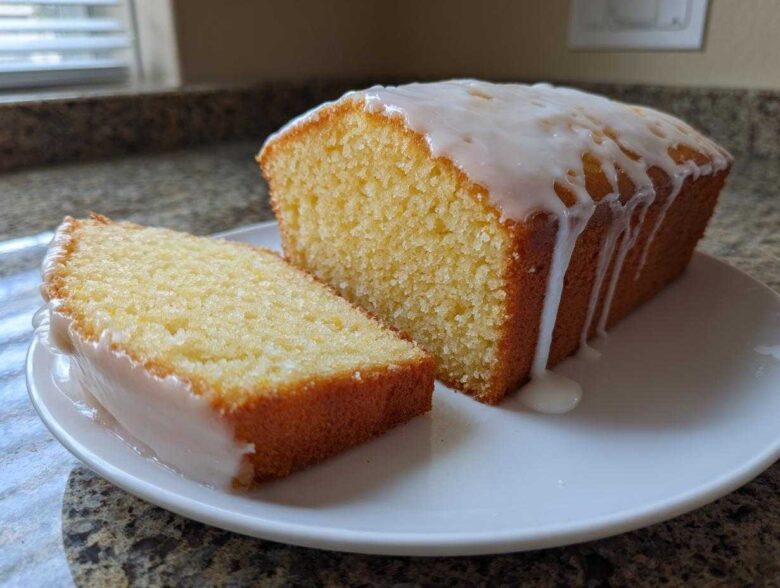
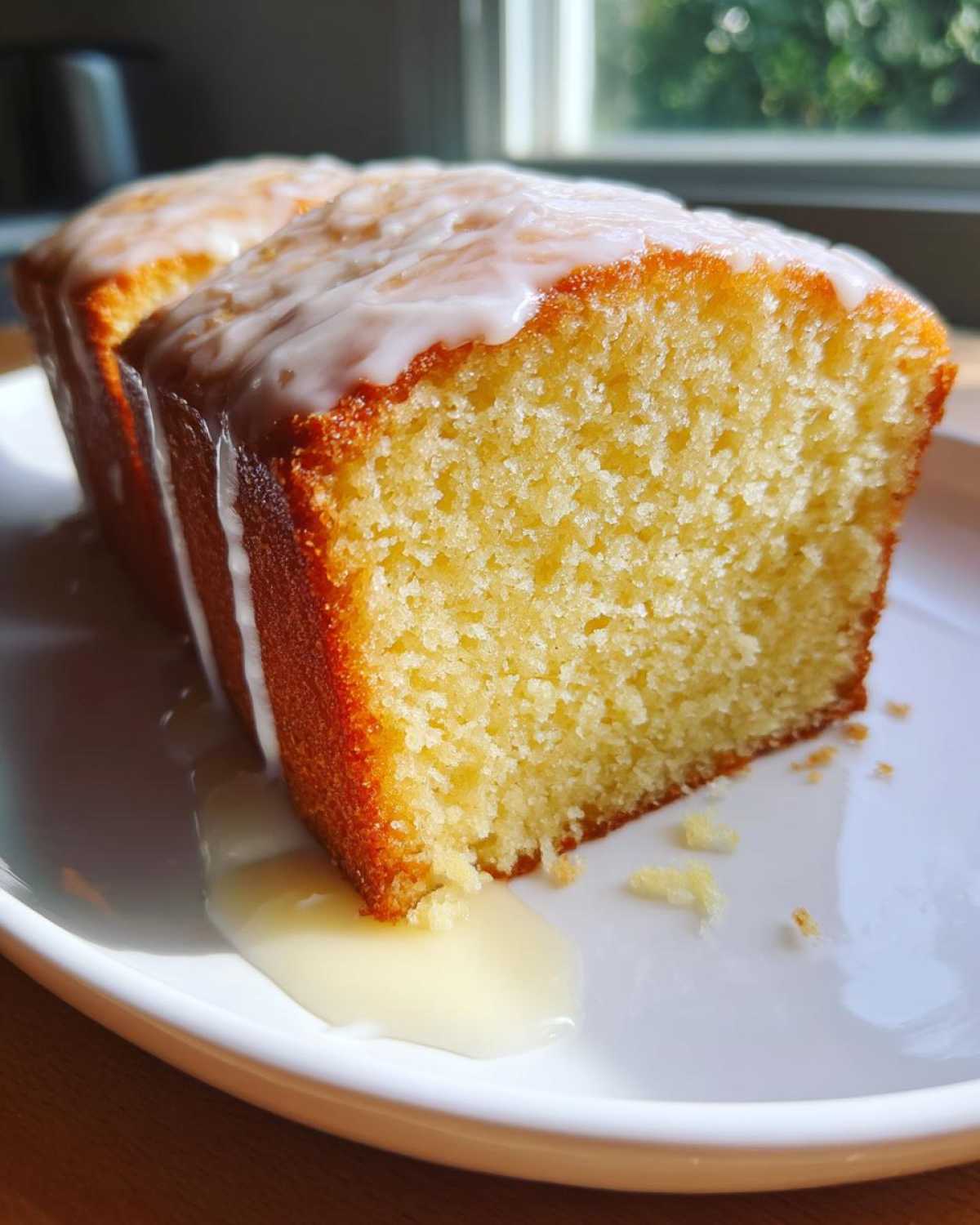
Oh, that bright, sunny flavor of lemon! There is simply nothing better, especially when it bakes up into something wonderfully rich. When Amaya smells citrus zest heating up in the oven, she knows Kenji is making his favorite—our lemon pound cake. I am so excited to share our absolute favorite version with you today: the Classic Moist Lemon Pound Cake with Tangy Glaze. I promise you, this is totally from scratch, but it’s surprisingly easy to put together. Forget those dry cakes you’ve had before; this recipe delivers on moisture and that intense, zesty burst you crave in a truly buttery lemon cake!
Why This is the Best Lemon Pound Cake with Glaze
You might see lots of recipes out there, but I truly believe this is the ultimate moist lemon pound cake recipe. We keep it simple, but every ingredient pulls its weight to make a spectacular result. If you’ve been looking for a truly zesty lemon dessert that doesn’t dry out halfway through, stick with us!
- The addition of sour cream brings unbelievable richness and moisture.
- We use both the zest and the juice, hitting that bright lemon note perfectly.
- The classic creaming method ensures a beautiful, tender crumb every single time.
Achieving the Perfect Tender Crumb
The key to a cake that falls apart beautifully on your fork—that tender crumb cake texture—starts right at the beginning. You absolutely must cream your softened butter and sugar for a full five minutes until it looks pale and cloud-like. This traps air! Also, make sure your eggs and sour cream are totally at room temperature before they go in. Cold ingredients fight the creamed butter, and when they fight, you end up with a dense, heavy cake instead of a light one.
The Secret to Zesty Lemon Flavor in Your Lemon Pound Cake
Flavor, flavor, flavor! Anyone can put a little lemon extract in a cake, but that just tastes artificial to me. For our lemon pound cake to shine, we rely on real fruit. It’s all about the zest! You want to use a microplane grater and get only the bright yellow part of the peel—that’s where the powerful essential oils live. Then, we balance that intensity with plenty of fresh lemon juice in both the batter and that sharp icing we put on top. Don’t skimp here; this is what makes the cake sing!
Ingredients for Your Easy Lemon Pound Cake
To make this easy lemon pound cake a smashing success, you need to have your ingredients ready by the bowl—what we call preparation! I always lay everything out on the counter before I even think about turning the mixer on. It keeps things moving smoothly, which is vital since we are already mixing in wet and dry ingredients. Seeing everything laid out like this just makes me feel ready to conquer the world, or at least, conquer this delicious homemade lemon cake!
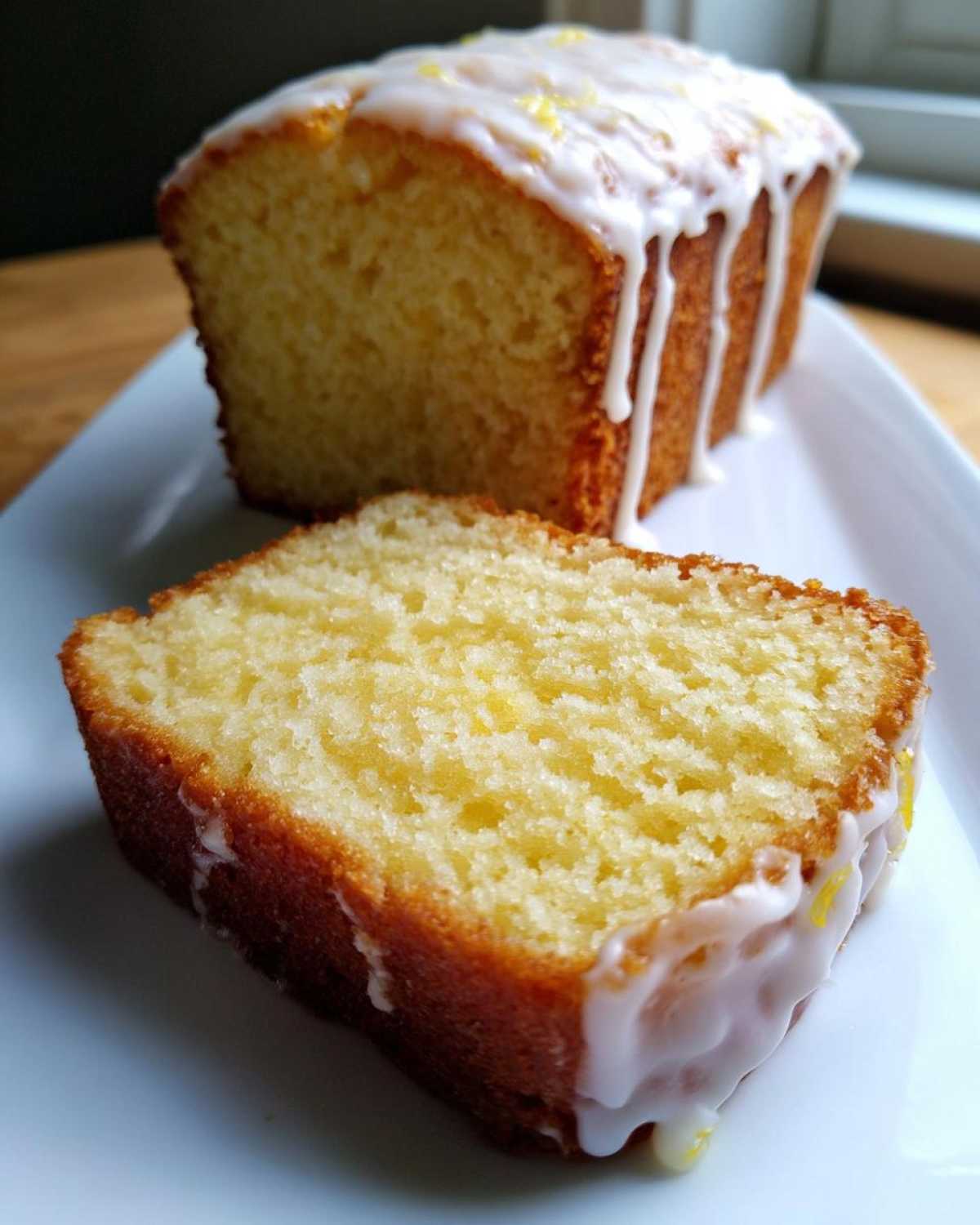
For the Buttery Lemon Cake Batter
These components make up the rich base for our buttery lemon cake. Remember, room temperature ingredients are your best friend here!
- 1 1/2 cups (3 sticks) unsalted butter, softened—make sure it’s soft, not melted!
- 3 cups granulated sugar
- 4 large eggs, all at room temperature
- 1 tablespoon lemon zest (from about 2 bright, fragrant lemons)
- 1/4 cup fresh lemon juice
- 1 teaspoon vanilla extract
- 1/2 cup whole milk
- 1/2 cup sour cream—this is key for that velvety texture!
- 3 cups all-purpose flour
- 1 teaspoon baking powder
- 1/2 teaspoon salt
For the Tangy Lemon Icing
This is the final flourish! Just a few ingredients are needed to create that beautiful, slightly sharp tangy lemon icing that hardens just right on top of the cake.
- 2 cups powdered sugar (sifted, if you want to be extra careful)
- 4 tablespoons fresh lemon juice (or more, depending on how runny you like your glaze)
How to Prepare the Classic Lemon Pound Cake Recipe
Alright, now we get to the actual, joyful making of this incredible lemon pound cake! Don’t feel rushed; baking is a process of love, not a race. We start by getting our oven warm—go ahead and preheat that to 325°F (160°C). Make sure your pan—whether it’s a lovely Bundt or a sturdy loaf—is greased and floured well. I like to sometimes use my homemade pan release mix here, but don’t worry about that now; just get your pan ready!
If you need a great refresher on mixing batters that stay wonderfully moist, maybe take a peek at Amaya’s notes on her coffee cake; the principles are similar! We don’t want cement, we want cake!
Mixing the Lemon Pound Cake Batter
This is where the creamed magic happens. Using your mixer, beat that softened butter with the sugar for a full five minutes until it’s truly lightened up. Then, welcome in the four eggs, one by one, letting each settle in before adding the next. After that, mix in your lemon zest, juice, and vanilla, just until they disappear. Next, we go slow! Alternate adding the dry flour mixture (make sure you whisked that first!) and the wet milk/sour cream mixture. Start and end with the dry ingredients. The absolute most important rule here is to mix only until you no longer see streaks of flour. Overmixing means you develop gluten, and we want a delicate interior, not a chewy one!
Baking and Cooling Your Homemade Lemon Cake
Pour that beautiful batter evenly into your prepared vessel and slide it into the 325°F oven. Now, be patient! Depending on your pan, this homemade lemon cake will take anywhere from 60 to 75 minutes. Start checking around the hour mark with a wooden skewer inserted right into the dead center. When it comes out clean, great! But don’t rush it out yet. Let the cake rest right there in the pan on a wire rack for 15 minutes. This crucial resting period lets the delicate structure set up, making it much less likely to tear when you finally flip it out to cool completely. Trust me on this cooling time, it saves so many headaches!
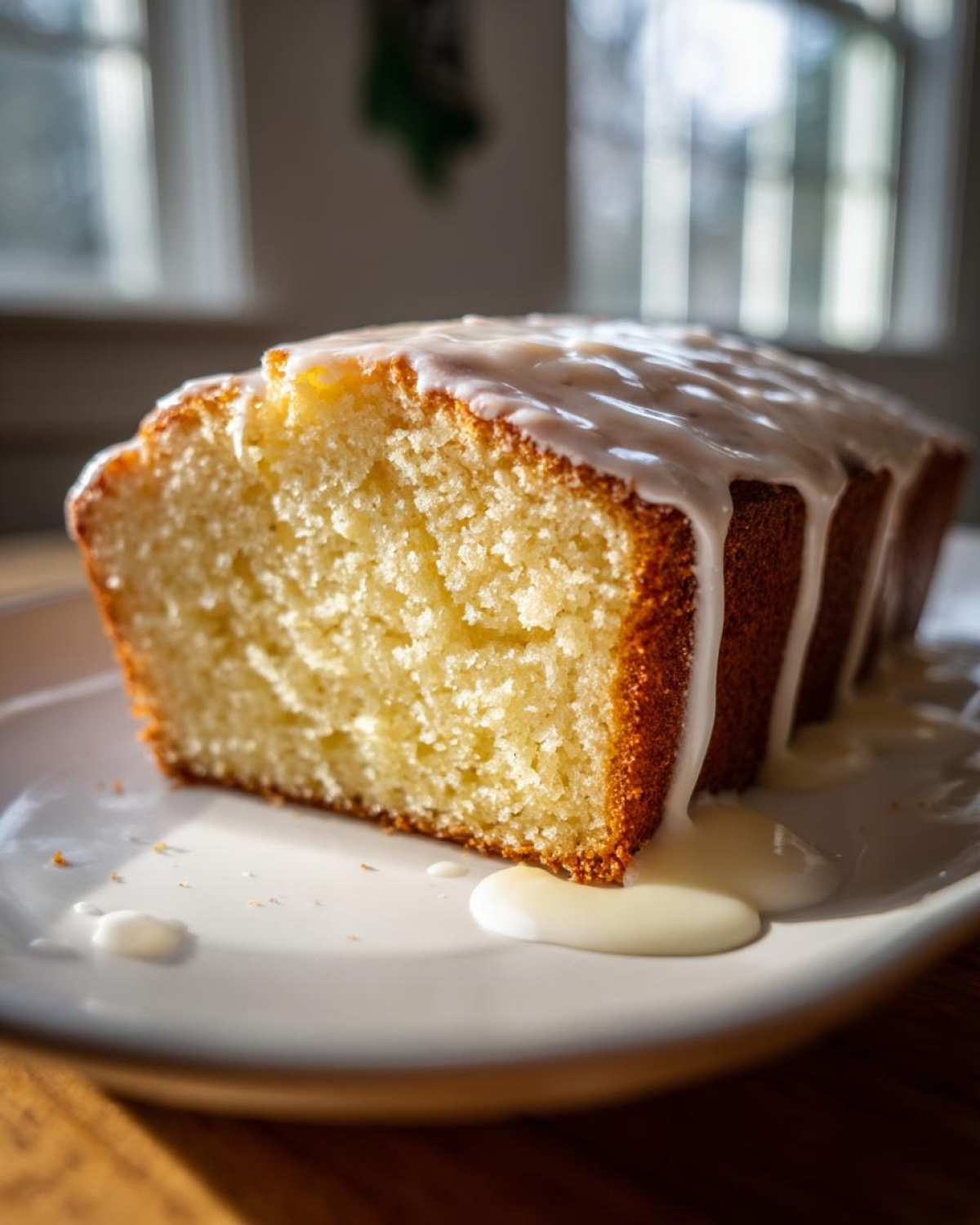
Finishing Your Lemon Pound Cake with Glaze
You’ve done the hard part! Now comes the crowning glory: that sweet-tart drizzle that makes this cake so irresistible. For the lemon pound cake with glaze to look bakery-style perfect, you must, must, *must* wait until the cake is totally cool. If you pour that sugary mix over a warm cake, it just melts right into the crumb and disappears! We’re making a simple icing; just whisk two cups of powdered sugar with about four tablespoons of fresh lemon juice. If it looks too thick to pour, add more juice, just a tiny bit at a time. Once the cake is completely chilled, drizzle it everywhere. It sets up beautifully, giving you that extra bright pop!
If you ever need a nice thick frosting instead of a glaze—maybe for a birthday cake—Amaya has a wonderful recipe for cream cheese frosting you might enjoy looking up! It’s so creamy.
Tips for a Perfect Lemon Pound Cake Every Time
Even with the very best instructions, home baking always has little quirks! Kenji and I have learned over the years that following a few crucial steps elevates any standard recipe—especially something delicate like this rich lemon pound cake. If you want that perfect texture every single time, you need to pay attention to the details. These aren’t rules just because I say so; they are lessons learned after many buttery batches!
We want this to be one of those classic pound cake recipes you turn to again and again, and that comes down to precision at the start. Speaking of learning new things, if you ever want to browse some of our other adventures in the kitchen, check out our general baking tips and recent posts!
Ingredient Temperature Matters for Moist Lemon Pound Cake Recipe
I cannot stress this enough: if you take away only one thing from this whole recipe, let it be this! For this moist lemon pound cake recipe to perform as promised, your butter, eggs, and sour cream must be at room temperature. If you throw cold eggs into your creamed butter, the fat instantly seizes up and contracts. What happens then? You lose all that lovely air we just beat into it! That air is what gives the cake its light lift and tenderness.
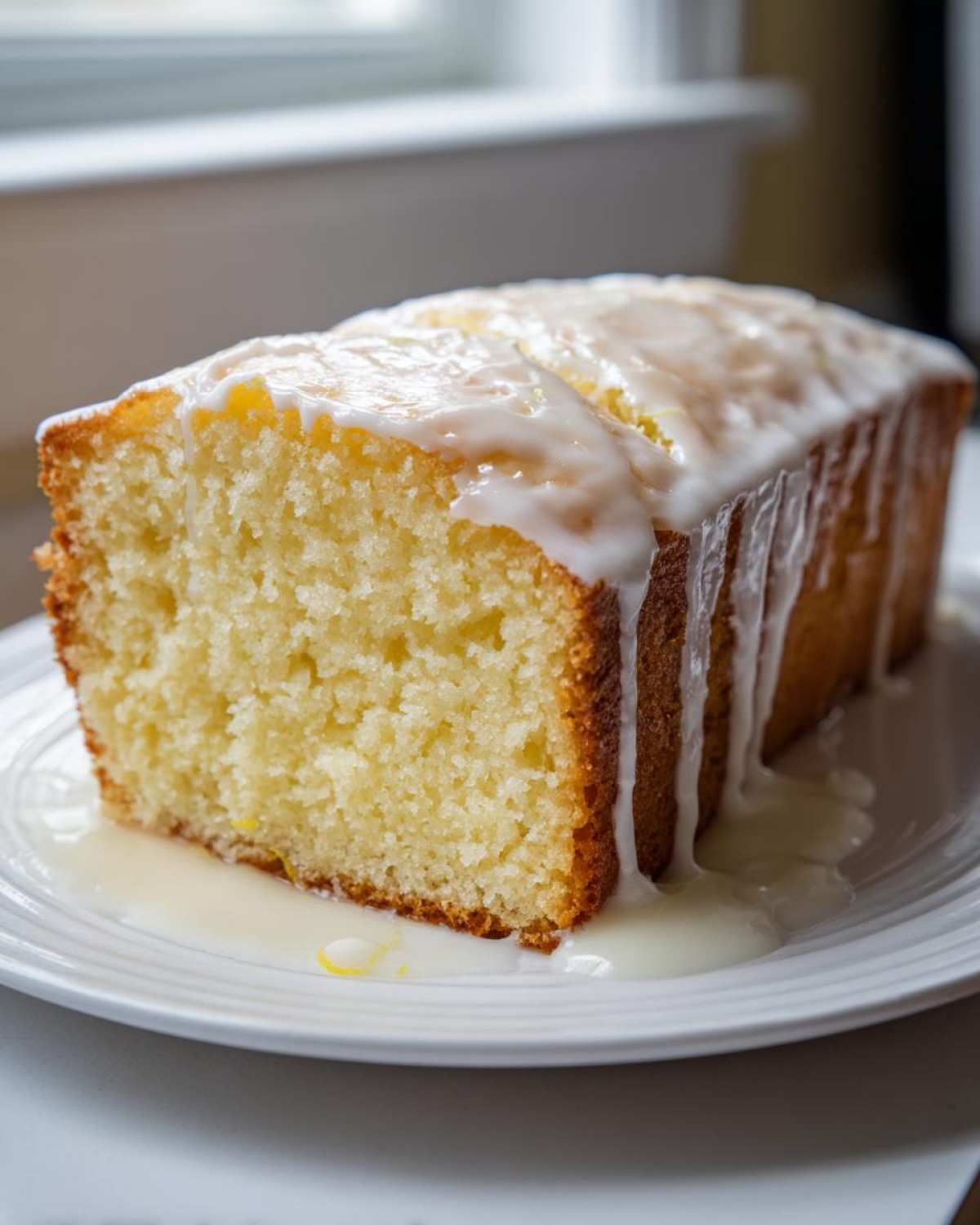
It’s simple physics, really, but it spells the difference between a light, velvety slice and something that feels a bit like an oven brick. Let your butter sit out for at least an hour until you can easily press your finger into it without resistance, and make sure your eggs feel slightly warm when you crack them. That gentle warmth marries perfectly with the butter and sugar, creating an emulsion that traps moisture beautifully. This attention to temperature is a hallmark of any great classic pound cake recipe!
Variations on the Classic Pound Cake Recipes
While I adore our classic loaf cake version—it looks so rustic on the cooling rack—I know many of you prefer the decorative shape of a Bundt pan. And guess what? It bakes up beautifully in that form too! Just know that if you switch to a big lemon bundt cake mold, you might need an extra 10 or 15 minutes in the oven, depending on how deep the design is. Always check that center skewer!
If you are looking to mix things up for an afternoon tea or a weekend brunch, I have a couple of simple swaps that Amaya and I love to play with. Sometimes, when I want a bit more texture, I’ll whisk in about half a cup of poppy seeds right when I mix in the flour. They don’t change the flavor much, but they give you those lovely little black specks that look so elegant.
Now, if you want to take a total trip across the sea, some people love the deeper, almost syrupy texture of an Italian lemon cake recipe. That style usually involves pouring an extra simple syrup soak over the cake right when it comes out of the oven, which keeps it incredibly moist—almost wet! If you are interested in exploring that particular style, I found a lovely recipe from some friends that you might want to check out: their Italian Lemon Pound Cake recipe looks divine and very popular.
The basic structure of this recipe is so strong, though, that even small additions like finely chopped candied ginger or a thin layer of marmalade stirred into the glaze work wonders. It’s truly a wonderful base for your own creative flair!
Storage and Make-Ahead Tips for Your Lemon Pound Cake
Because this is such a wonderful, easy-to-make bake, I always prepare for leftovers! Or, if I know I am busy during the week, I love knowing I can bake this lemon pound cake ahead of time. That’s such a treat, isn’t it? Having a perfect, buttery slice ready whenever the craving strikes!
First, let’s talk about the glaze. If you plan on eating this cake within a day or two, you want that lovely, slightly crisp icing coating. Make sure the cake is totally cool before you ice it, as we discussed, and then you can leave it right on the counter under a cake dome or loosely covered for about two days. The high sugar content in the glaze actually helps preserve it a little bit!
However, if you think it might take you longer than two days to finish your cake, or if your kitchen is very warm, you might want to switch gears. If you use the glaze, cover it tightly with plastic wrap and put it in the refrigerator. Just remember that cold cakes can taste a bit dull, so let it sit on the counter for about 30 minutes before you plan to serve a slice!
Now, for true make-ahead magic: freezing! This lemon pound cake freezes like a dream, which proves how moist this recipe truly is. My best advice is to freeze it unglazed. Wrap the completely cooled cake tightly first in a layer of plastic wrap—really seal those edges, you don’t want freezer burn! Then, wrap it again in heavy-duty foil. You can store it this way for up to three months. When you are ready to enjoy it, just take it out of the freezer, leave it wrapped, and let it thaw slowly overnight on the counter. Once it’s totally thawed, then you can whip up your tangy lemon icing and drizzle it on top. It will taste just as bright and zesty as the day you baked it!
Frequently Asked Questions About This Lemon Pound Cake
It’s always wonderful when you have questions! When Kenji and I first started baking together, we had so many little questions about texture and flavor balance. I’ve gathered a few of the most common ones people ask about this particular recipe. Solving these little mysteries means you get the best lemon cake ever without any guesswork!
Can I make this easy lemon pound cake without sour cream?
Oh, that’s a really common question! The sour cream is in here for a reason—it really helps create that signature, almost velvety texture that makes this an amazing moist lemon pound cake recipe. If you absolutely must skip it, you can substitute it with an equal amount of plain Greek yogurt. Now, be warned: Greek yogurt has a little more tang and a slightly different fat content than sour cream, so the final texture might be a touch less rich, but it will still be absolutely delicious! Just make sure whatever you use is cool, not ice cold, when you add it to the batter.
What is the best pan size for this lemon pound cake?
For this batter volume, we recommend two main options depending on what kind of look you want for your simple lemon dessert. The recipe is perfectly sized for a standard 10-inch tube (Bundt style) pan. If you prefer the rustic look of a loaf, a 9×5 inch loaf pan works beautifully too. The key thing to remember is that if you use a deeper pan, like a loaf pan, it will take longer for the heat to travel to the center. You might need an extra 10 to 15 minutes of baking time for a loaf compared to a Bundt, so you must check it thoroughly with that wooden skewer!
If you are looking to make cupcake versions for an afternoon tea cake, you will get about 20 to 24 standard cupcakes. They bake much faster, usually only about 18 to 22 minutes, so keep a close eye on them!
Sharing Your Zesty Lemon Dessert Experience
Oh, I truly hope you have enjoyed making this lemon pound cake as much as Amaya and I enjoy perfecting it over the years! Baking is a shared joy, isn’t it? When you take that first bite of the finished product—that soft, buttery crumb bursting with citrus—I want to know about it!
Please don’t be shy! If you try this recipe, I would be so grateful if you would take a moment to leave a rating right down in the comments section below. Knowing what you thought helps us know which recipes we should be sharing more often. Did you add anything extra? Did you use the Bundt pan or the loaf pan? I always love hearing the little tweaks people make!
If you made something beautiful and want to share a picture of your drizzled, tangy lemon icing masterpiece, please tag us on social media! Seeing your creations connecting back to our kitchen here in New York, even if you’re baking halfway across the world, is the absolute highlight of my week. We might even feature your beautiful bake in our gallery!
If anything at all confused you during the process—maybe you’re wondering about substitutions or techniques—please don’t hesitate to reach out to us directly through our contact page. We are always here to help you on your baking journey. Happy baking, my friends, and may your kitchen always smell bright and zesty!
PrintClassic Moist Lemon Pound Cake with Tangy Glaze

Make this easy, from-scratch lemon pound cake. It is incredibly moist, bursting with zesty lemon flavor, and finished with a simple, tangy lemon icing.
- Prep Time: 20 min
- Cook Time: 70 min
- Total Time: 90 min
- Yield: 12 servings
- Category: Dessert
- Method: Baking
- Cuisine: American
- Diet: Vegetarian
Ingredients
- 1 1/2 cups (3 sticks) unsalted butter, softened
- 3 cups granulated sugar
- 4 large eggs, room temperature
- 1 tablespoon lemon zest (from about 2 lemons)
- 1/4 cup fresh lemon juice
- 1 teaspoon vanilla extract
- 1/2 cup whole milk
- 1/2 cup sour cream
- 3 cups all-purpose flour
- 1 teaspoon baking powder
- 1/2 teaspoon salt
- For the Glaze: 2 cups powdered sugar
- For the Glaze: 4 tablespoons fresh lemon juice
Instructions
- Preheat your oven to 325°F (160°C). Grease and flour a 10-inch Bundt pan or a 9×5 inch loaf pan.
- In a large bowl, cream together the softened butter and granulated sugar with an electric mixer until the mixture is light and fluffy, about 5 minutes. This step helps create a tender crumb.
- Beat in the eggs one at a time, mixing well after each addition.
- Stir in the lemon zest, lemon juice, and vanilla extract until just combined.
- In a separate medium bowl, whisk together the flour, baking powder, and salt.
- In a small bowl, whisk together the milk and sour cream.
- Gradually add the dry ingredients to the wet ingredients, alternating with the milk and sour cream mixture, beginning and ending with the dry ingredients. Mix only until the batter is smooth; do not overmix.
- Pour the batter evenly into your prepared pan.
- Bake for 60 to 75 minutes, or until a wooden skewer inserted into the center comes out clean. Baking time varies based on your pan type.
- Let the cake cool in the pan on a wire rack for 15 minutes.
- Invert the cake onto the wire rack and let it cool completely before glazing.
- Prepare the glaze: Whisk together the powdered sugar and 4 tablespoons of lemon juice until smooth. Add more lemon juice, one teaspoon at a time, if you prefer a thinner glaze.
- Drizzle the tangy lemon icing generously over the cooled cake. Allow the glaze to set before slicing and serving your homemade lemon cake.
Notes
- For the best texture, make sure your butter, eggs, and sour cream are at room temperature before you start mixing.
- If you want an extra bright citrus baking flavor, use the zest of three lemons instead of two.
- This cake freezes well. Wrap cooled, unglazed cake tightly in plastic wrap and foil for up to three months.
Nutrition
- Serving Size: 1 slice
- Calories: 450
- Sugar: 45g
- Sodium: 250mg
- Fat: 25g
- Saturated Fat: 15g
- Unsaturated Fat: 10g
- Trans Fat: 0.5g
- Carbohydrates: 58g
- Fiber: 1g
- Protein: 5g
- Cholesterol: 90mg