

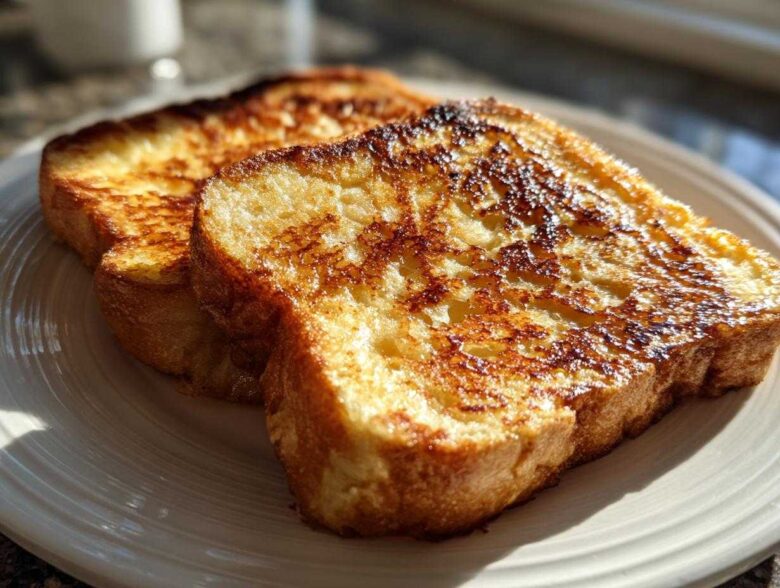
Oh, my friends, is there anything better than smelling cinnamon and butter floating through the kitchen on a Saturday morning? I’m Kenji, and Amaya and I have been exploring food together for decades, but even after all this time, mastering a truly perfect, simple classic like french toast still gives me a thrill. Forget soggy bread and bland flavors! We are going after the dream here: that heavenly combination of crispy, golden edges and an utterly soft, custardy french toast center. It took me many tries, but I finally landed on the absolute best classic french toast recipe that guarantees success every time you pull out that griddle. Trust me, once you try this technique, your weekend breakfasts will never be the same.
Why This Classic french toast Recipe Works Every Time
So many simple recipes are ruined by rushing, and french toast is the perfect example! This method works because we respect the bread and the custard. When you want that perfect marriage of a rich, custardy french toast center and satisfyingly crispy french toast edges, you need the right foundation. That starts with bread—don’t skip using thick slices of Challah or Brioche. They are thirsty enough to soak up the custard but sturdy enough not to fall apart when they hit the heat. We aren’t making something flimsy here; we are making gourmet breakfast!
We’ve learned a few professional secrets over the years that take this beyond what you might find anywhere else, like what we saw in this wonderful guide from Bites Season. They really understand the balance needed for making breakfast feel special. For me, mastering this technique is just as satisfying as making creamy scrambled eggs; they are breakfast core building blocks that everyone needs!
The Secret to Fluffy french toast Centers
To get those beautiful, thick, custardy french toast centers, the soaking time is everything. You are aiming for absorption, not saturation. Dip each side for just 15 to 20 seconds. If you let it sit for a minute, the middle turns gummy! The ratio of eggs to milk in our special custard mixture ensures that the inside bakes up tender and creamy, yielding fluffy french toast every time you try this easy french toast method.
Achieving Perfect Crispy french toast Edges
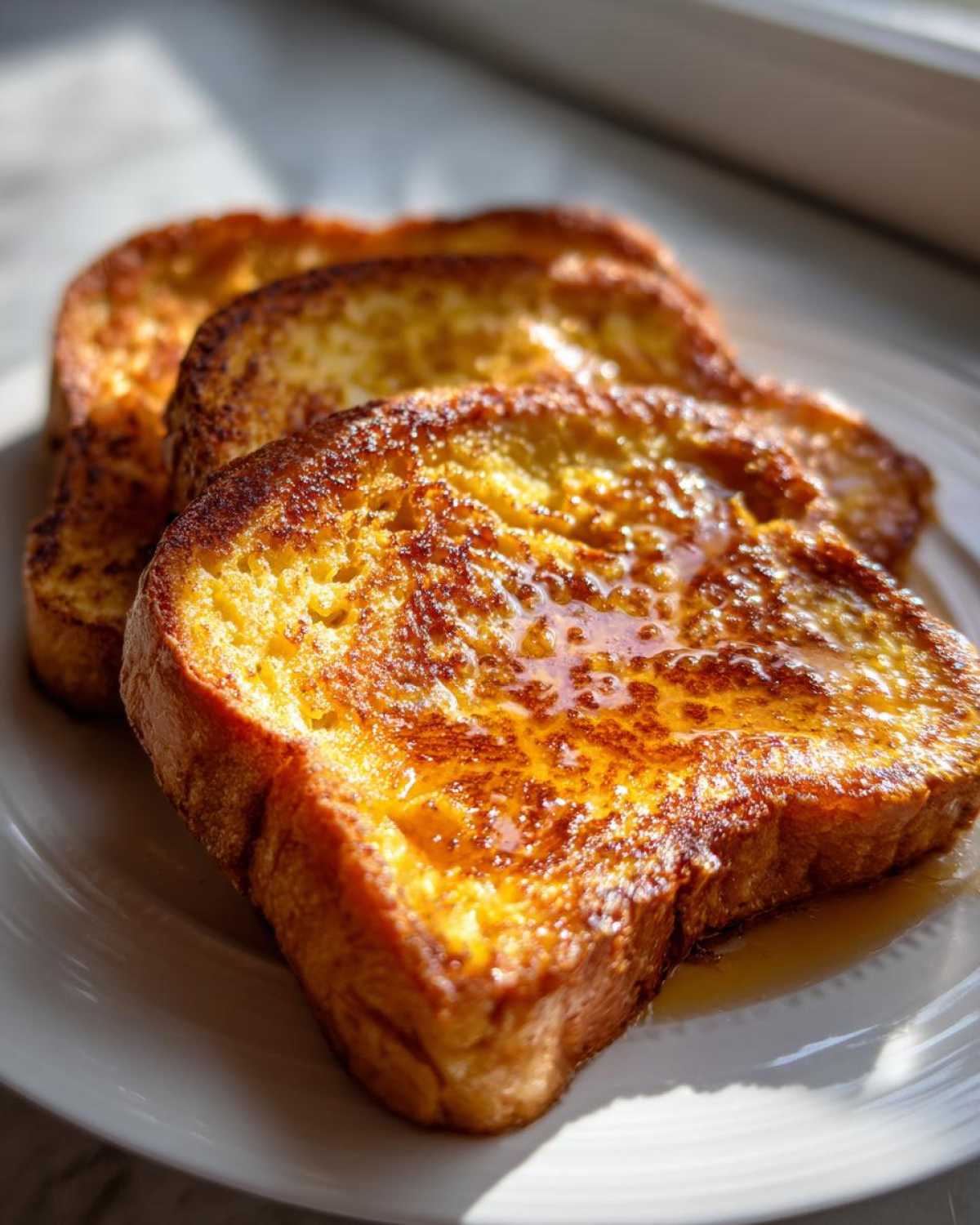
The edges are all about the heat and the fat, my friends. You absolutely must cook this over medium-low. If the pan is too hot, the outside burns while the middle is still raw egg, which is an absolute disaster! Melting a good amount of unsalted butter—don’t skimp here—ensures that beautiful, even golden-brown color and those lovely crispy french toast edges we crave. Patience keeps your edges perfect!
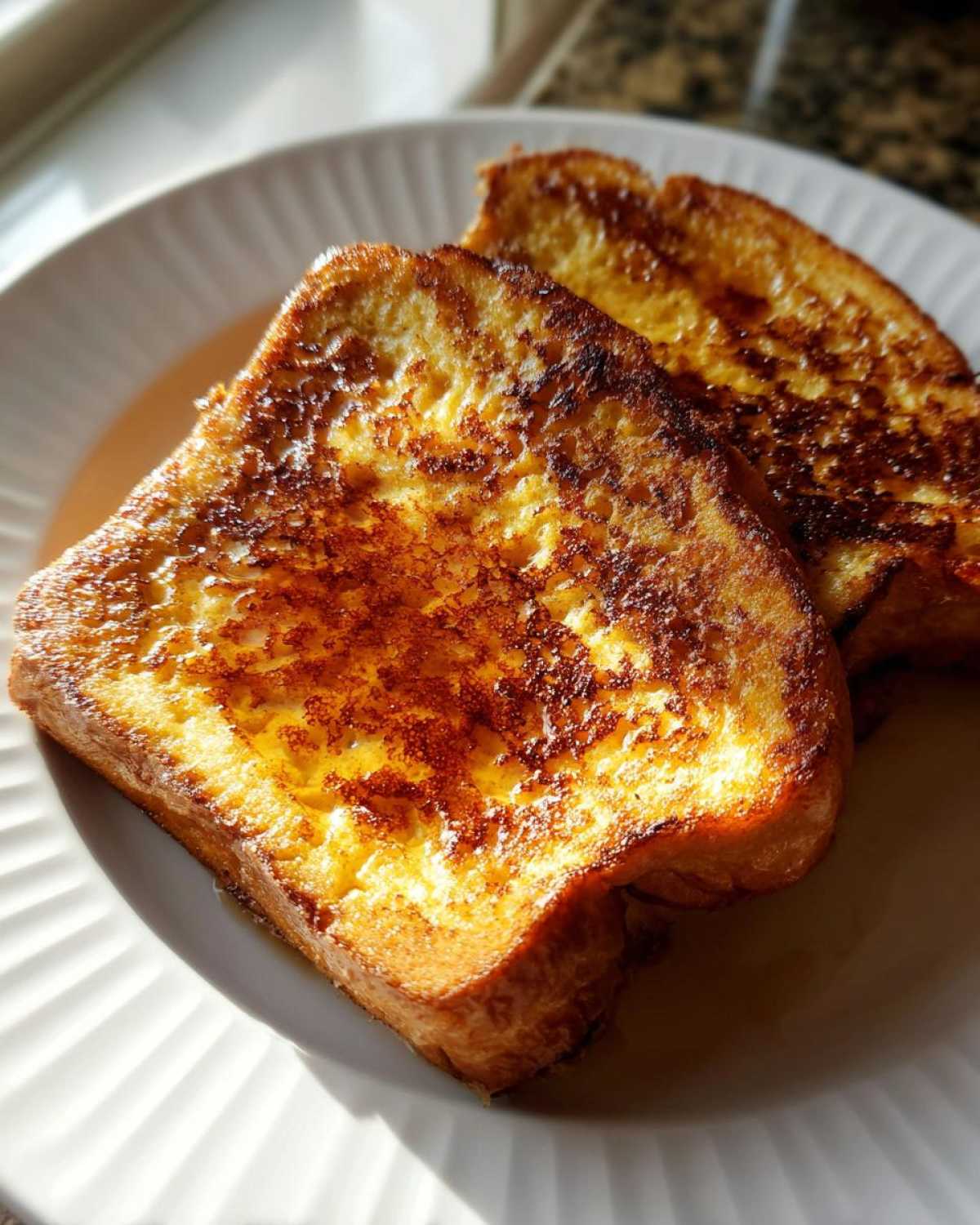
Ingredients for the Best Classic french toast Recipe
You don’t need a huge shopping list to make something truly special for your weekend breakfast ideas! For this recipe, the quality of the bread really sings the loudest. We are looking for 8 thick slices, and I strongly suggest you reach for Challah or Brioche—that’s the key to that delightful texture. The custard base is wonderfully simple: four large eggs, a cup of whole milk (or half-and-half if you want to make it extra rich!), vanilla extract, cinnamon, sugar, and just a tiny pinch of salt to balance it all out. Don’t forget that unsalted butter for the pan; it makes all the difference in achieving those perfect golden-brown tones when you cook your brioche french toast.
Step-by-Step Instructions for Perfect french toast
Now that we’ve talked about why this works, let’s dive right into the method! Remember what I said about older bread? If your bread is fresh from the loaf, just let those slices sit out on the counter for about an hour before you start. Stale bread is hungry bread—it soaks up the custard mixture beautifully instead of just turning immediately into soup. We want that wonderful saturation that leads to a beautifully custardy french toast result when cooked.
Making the Rich Custard Base for french toast
Get your shallow dish ready! Whisk those four large eggs, the whole milk (or the richer half-and-half if you’re feeling indulgent!), that lovely vanilla extract, the cinnamon, sugar, and the pinch of salt. You must whisk this until it is totally, completely combined. There should be no streaks of egg white left hanging around. This thorough whisking creates the uniform, rich custard mixture that is the key to everything.
Soaking and Griddle Preparation for your french toast
This part requires focus! Dip one slice of bread into the custard mix, coating both sides thoroughly. You only need about 15 to 20 seconds per side—don’t fall asleep wondering about life! Once dipped, let it move straight to a griddle or skillet heated to medium-low. Yes, use the lower heat! Melt a tablespoon of unsalted butter until it sizzles gently. Lay your soaked bread down—don’t crowd the pan, please!—and cook for about 3 to 5 minutes per side until you hit that perfect golden brown and your filling has set nicely. If you want to try making something like fluffy naan next, the approach to gentle cooking is similar!
Tips for Success: Mastering your french toast Technique
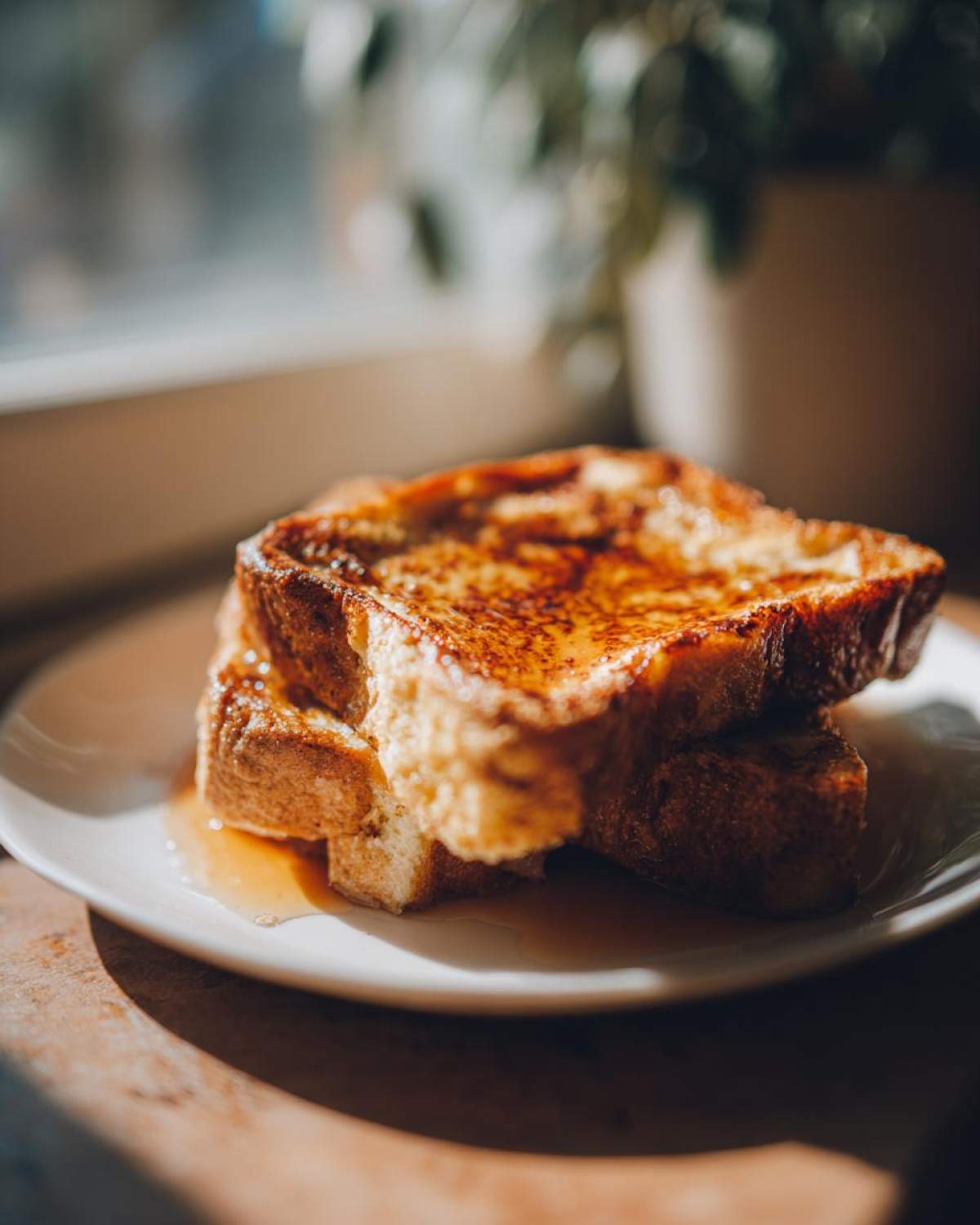
Honestly, getting the best french toast tips means treating this dish with the respect a classic deserves. First, repeat after me: dry bread is your friend! If you didn’t plan ahead, you can even put your loaf in a 200°F oven for maybe five minutes to dry it out just a touch—but be careful not to toast it!
Second, temperature control is crucial for achieving those custardy centers. I cannot stress enough that medium-low heat is your secret weapon. It gives the inside time to set up beautifully while the exterior turns a lovely, rich color. If you are making large batches for the family, don’t just stack them on a plate! Keep the cooked french toast warm on a baking sheet in a slow oven, maybe 200°F, using the method Amaya taught me for resting cornbread. This little trick ensures everyone gets perfectly hot, delicious pieces all at once. If you want more deep dives, Modern Honey has some great reinforcement tips, too! Check out their approach here: the best french toast recipe.
Make Ahead french toast and Storage Instructions
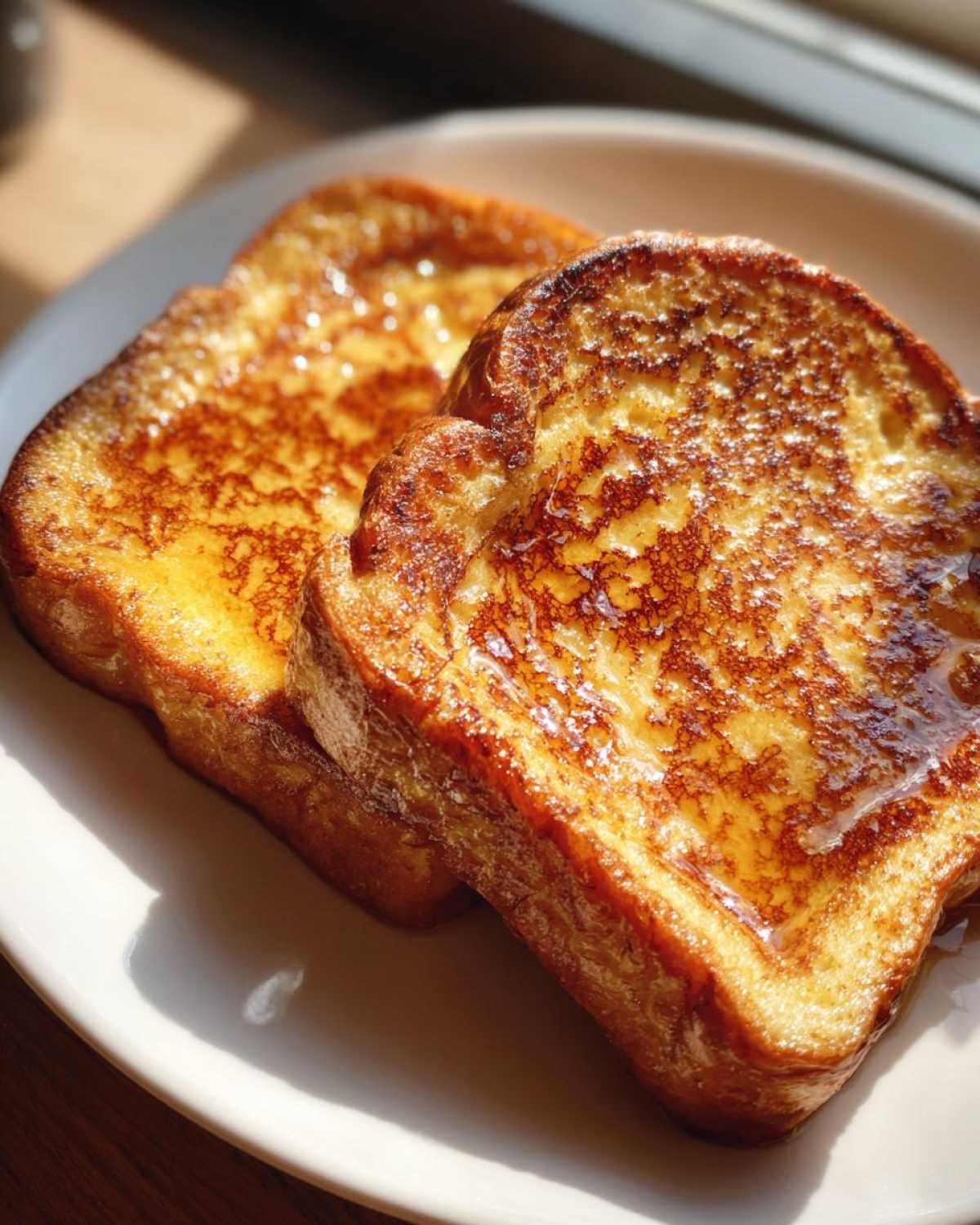
I know we want easy brunch recipes, and sometimes you just can’t stand at the griddle the whole morning! For this classic pan-fried version, the best make ahead french toast tip is prepping the custard mixture. Whisk it up the night before and keep it covered in the fridge; it holds perfectly fine. If you want a full make ahead french toast bake experience, you can assemble the entire casserole base the night before and just pop it in the oven when you wake up—just like making one of our favorite morning bakes.
If you have leftovers, don’t fret! Store cooled french toast slices in an airtight container in the fridge for up to three days. I reheat them in a toaster oven rather than a microwave; that quick blast of dry heat brings back the crispy edges beautifully.
Variations on Classic french toast
You know, the foundation of this classic french toast recipe is so solid that you can really play with it! If you want to elevate your easy brunch recipes beyond the cinnamon standard, try switching up the extracts in that custard base. Just a half teaspoon of pure almond extract added to the mix gives a gorgeous, slightly floral note that feels incredibly gourmet. Or, if you want something warmer, skip the vanilla and add a tiny pinch of freshly grated nutmeg along with that cinnamon—hello, cinnamon french toast upgrade!
My favorite thing to do when we have extra time on a Sunday is turn this into something truly decadent. You can easily adapt this structure for stuffed french toast. Imagine taking two slices, spreading a thin layer of that vanilla-spiked cream cheese mixture right down the center, slapping the other slice on top like a sandwich, and *then* dipping it in the custard! It takes a little more care when soaking—you want to hold it a bit longer so the custard seeps into the center seam—but the payoff is incredible. It’s the perfect indulgence before we dive into trying to figure out how to make a New York bagel! You can find a fantastic guide on making that popular cream cheese stuffed french toast if you want to see that technique in action.
Serving Suggestions for your Weekend breakfast Ideas
Once you have achieved that perfect fluffy french toast with those amazing crispy edges, the presentation really matters, especially when you’re planning those relaxed weekend breakfast ideas! Of course, you absolutely must have high-quality maple syrup. Don’t settle for the stuff made mostly of corn syrup; a real maple syrup drizzle makes all the difference to the flavor profile.
We usually give the top a generous, but light, dusting of powdered sugar—it looks so charming and adds just a touch of extra sweetness without overwhelming the cinnamon flavor. For gourmet breakfast vibes, fresh berries are my go-to; sliced strawberries, blueberries, or even raspberries scattered over the top give you color and welcome acidity to cut through the richness of the custard.
If you’re serving a crowd and need a savory element to balance the sweetness, a little side of crispy bacon or savory sausage patties turns this into a full, satisfying family friendly french toast feast. I even saw a recipe for a creamy seafood salad once that someone paired with French toast—that’s too adventurous for our kitchen, but it proves anything goes for brunch!
Frequently Asked Questions about french toast
When you are setting out to make the perfect breakfast, I know you might have a few nagging questions pop into your head. That’s totally normal! I’ve spent years tinkering with this recipe, so I’m happy to share exactly what I’ve learned about achieving the best results for your weekend breakfast ideas. If you are ever curious about more substantial meals, like a hearty soup to make after your big brunch, you can check out my notes on a good vegetable beef soup.
Can I use regular sandwich bread for french toast?
Look, you can use regular sandwich bread, and it will certainly taste fine if you soak it quickly. However, to get that truly fluffy french toast center that sets up nicely and doesn’t turn soggy, you really want to aim for something thicker. The best results I consistently get come from using thick slices of bread—Challah or that glorious brioche french toast bread. They have the structure to handle our rich custard without collapsing into a sad, soupy mess.
What is the secret to custardy french toast centers?
Ah, this is where the technique really matters! The secret is twofold, really. First, having slightly stale bread is non-negotiable; bread that has dried out a little absorbs the custard mixture perfectly instead of just drowning in it. Second, the soaking time! You want to soak it just long enough for the custard to penetrate deep inside—about 15 to 20 seconds per side—and then get it straight onto that medium-low heat. This combination creates those melt-in-your-mouth custardy french toast centers you’ve always dreamed of.
How do I make this an overnight french toast bake?
This recipe is designed for pan-frying, but the custard base is perfect for an overnight french toast bake! Instead of dipping slices one by one, simply place your bread slices in a lightly greased casserole dish, pour the entire custard mixture over the top evenly, cover it tightly, and let it all sit in the refrigerator overnight. The bread soaks up all that deliciousness while you sleep! The next morning, just pull it out, top it with a sprinkle of cinnamon sugar, and bake it until it’s golden and set through. It’s the ultimate convenience for an impressive holiday breakfast!
Nutritional Estimates for this french toast
Amaya always reminds me that while we cook with love and generous spirit, it’s good to have a general idea of what we are putting into our bodies for our wonderful grandchildren! So, here are the estimates for two slices of this classic french toast recipe. Just remember, this is based on the ingredients listed—if you load yours up with extra butter from the pan or slather on heaps of chocolate sauce, those numbers will certainly change!
These figures are just averages, of course. You know how it is with home cooking; those little bits of egg stuck to the whisk or the extra drizzle of maple syrup make everything taste better, even if it slightly shifts the final count! We are sharing this information so you can plan your weekend breakfast ideas, but please treat these as helpful guidelines rather than strict medical data.
- Serving Size: 2 slices
- Calories: 350
- Sugar: 12g
- Sodium: 350mg
- Fat: 18g
- Saturated Fat: 9g
- Carbohydrates: 35g
- Protein: 14g
The Absolute Best Classic French Toast Recipe

Master the technique for making the best classic French toast with crispy edges and a custardy center. This easy recipe is perfect for weekend breakfast or brunch.
- Prep Time: 10 min
- Cook Time: 15 min
- Total Time: 25 min
- Yield: 4 servings
- Category: Breakfast
- Method: Pan Frying
- Cuisine: American
- Diet: Vegetarian
Ingredients
- 8 thick slices of bread (Challah or Brioche recommended)
- 4 large eggs
- 1 cup whole milk or half-and-half
- 1 teaspoon vanilla extract
- 1 teaspoon ground cinnamon
- 1 tablespoon granulated sugar
- Pinch of salt
- 2 tablespoons unsalted butter, for cooking
Instructions
- Whisk together the eggs, milk, vanilla extract, cinnamon, sugar, and salt in a shallow dish until fully combined. This creates your rich custard base.
- If your bread is fresh, let the slices sit out for about an hour to dry slightly. Stale bread absorbs the custard better without becoming soggy.
- Dip each slice of bread into the egg mixture, ensuring both sides are fully coated. Let the bread soak for about 15 to 20 seconds per side for a custardy center.
- Heat a large griddle or non-stick skillet over medium-low heat. Add half of the butter and let it melt and coat the surface.
- Place the soaked bread slices onto the hot griddle, ensuring they do not touch. Cook for 3 to 5 minutes per side, until golden brown and cooked through. Adjust the heat as needed to prevent burning before the center sets.
- Remove the cooked French toast and keep warm while you cook the remaining slices, adding more butter to the pan as necessary.
- Serve immediately with your favorite toppings like maple syrup and fresh fruit.
Notes
- For the best results, use thick-cut bread like Challah or Brioche. These breads hold up well to the rich custard.
- Cooking low and slow is the secret to achieving a custardy center without burning the outside. Do not rush this step.
- If you are making a large batch, keep the finished French toast warm on a baking sheet in a 200°F oven while you finish cooking the rest.
Nutrition
- Serving Size: 2 slices
- Calories: 350
- Sugar: 12
- Sodium: 350
- Fat: 18
- Saturated Fat: 9
- Unsaturated Fat: 9
- Trans Fat: 0
- Carbohydrates: 35
- Fiber: 2
- Protein: 14
- Cholesterol: 180