


Oh my gosh, let’s be real for a minute. Isn’t it the absolute worst when you spend time zesting those beautiful lemons, waiting patiently for that glorious lemon smell to fill your kitchen, and you pull out a loaf that just… crumbles into dry little sad bits? I’ve been there more times than I care to admit! That frustration led me on a mission to create the ultimate, foolproof recipe. Trust me, after all my sputtering and testing (and probably wasting half a pound of sugar), I finally cracked the code for the perfect Moist Lemon Loaf.
The secret weapon? It’s actually a dynamic duo of oil and sour cream that keeps this bread tender for days. This isn’t just another quick bread; this is the tender, zesty loaf you dream about getting from the fancy bakery down the street. I promise, after you try this method, you’ll never go back to those disappointing, dry loaves again. Get your pans ready!
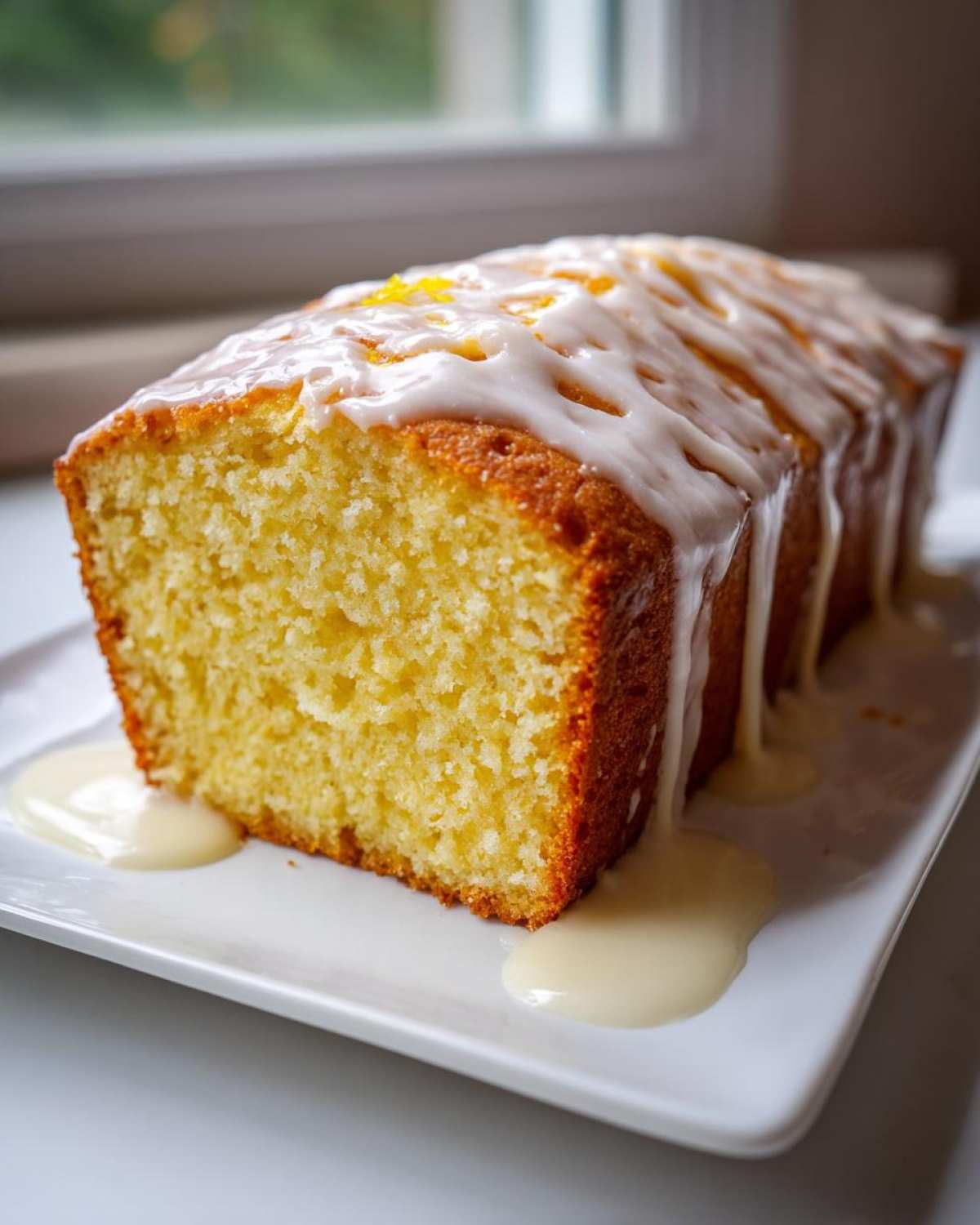
Why This is the Ultimate Moist Lemon Loaf Recipe
I’m not exaggerating when I say this is the one. If you want a truly fantastic, bakery-style lemon treat that tastes better the next day, this is it. We made sure every step contributes to maximum flavor and incredible texture. Seriously, this Moist Lemon Loaf is almost impossible to mess up!
- It uses oil AND sour cream, which is my secret blend for unbelievable moisture that lasts.
- The flavor is intense because we take time to rub the zest right into the sugar—you can taste the difference!
- It’s so easy! It’s truly an easy lemon bread recipe that comes together faster than you think.
Techniques for a Tender Moist Lemon Loaf
The real magic that locks in that moisture happens before you even turn the mixer on. First, you have to aggressively rub that lemon zest right into the granulated sugar with your fingers. You want the sugar to change color and smell incredibly potent—that’s how you know you’re extracting all those natural lemon oils. Wow, the aroma alone is worth it!
Also, make sure you don’t ditch the vegetable oil for butter here. Oil coats the flour differently than butter, and that is key to preventing gluten from forming too much, which keeps your crumb fluffy instead of tough. It’s all about that oil and that rich sour cream working together!
If you love great lemon flavor, you should check out my recipe for fluffy bakery-style lemon scones later!
Ingredients for Your Ultra Moist Lemon Loaf
When we gather ingredients for the best lemon loaf recipe, remember that quality really matters, especially the fresh juice! I always try to squeeze extra juice just in case I need adjustments for the glaze later—you know how lemons can be, sometimes they’re stingy! Getting all this laid out first helps guarantee you don’t overmix later, which is crucial for a tender lemon loaf.
If you’re looking for more zesty citrus goodness, you might want to check out my recipe for easy pitcher lemonade!
Ingredients for the Zesty Lemon Loaf
These are the building blocks for our incredibly moist quick bread. Be mindful that we need the zest of two whole, large lemons—don’t skimp on that part!
- 1 3/4 cups all-purpose flour
- 1 1/2 teaspoons baking powder
- 1/2 teaspoon salt
- 1 cup granulated sugar
- Zest of 2 large lemons
- 2 large eggs
- 1/2 cup vegetable oil (this is our moisture guarantee!)
- 1/2 cup sour cream or plain Greek yogurt (yes, this is key!)
- 1/4 cup fresh lemon juice
- 1 teaspoon vanilla extract
Ingredients for the Tangy Lemon Glaze
This glaze comes together fast, but you need to make sure the loaf is cool before you drizzle it on, or you’ll just end up with a runny, citrusy mess instead of that perfect bakery-style lemon loaf look.
- 1 cup powdered sugar
- 2 tablespoons fresh lemon juice
Step-by-Step Instructions for the Moist Lemon Loaf
Okay, time to put it all together! Since this is a quick bread, our biggest enemy is overmixing. We want a tender lemon loaf, not something you need a steak knife to cut! We’re focusing on gentle incorporation at every step to make sure that sour cream and oil do their job and keep everything wonderfully soft.
Preparing the Pan and Dry Ingredients
First things first, get that oven up to temperature at 350°F (175°C). You want it hot and ready when the batter is mixed. Grease and flour your 9×5 inch loaf pan really well—a dry pan is the first step to a sticking disaster! In a separate bowl, that’s your staging area for the dry stuff. Just whisk the flour, baking powder, and salt together. Set that aside; we aren’t going to touch it again until the very end.
Creating the Flavorful Wet Base for the Moist Lemon Loaf
This step is pure gold for flavor, don’t rush it! Pour your full cup of granulated sugar into your main mixing bowl. Now, dump in the zest from those two beautiful lemons. Take your clean hands and just rub that zest right into the sugar. You’ll feel the sugar turn slightly damp and smell the most amazing burst of lemon. Keep going until it’s totally uniform. That releases the oils! Then, beat in the eggs until you get a mix that’s pale. Beat in the oil, sour cream, lemon juice, and vanilla until it looks like one smooth, slightly runny wet mixture.
Combining Batter and Baking Tips
Now for the careful part. Add the dry ingredients slowly into your wet base. Mix only until you see the flour just disappear. Seriously, stop mixing when you see maybe one or two streaks of flour left behind! Overmixing develops gluten, and gluten makes a tough loaf, which defeats the whole purpose of making a moist lemon loaf. Pour it into your prepared pan.
Bake this beauty for 50 to 60 minutes. But here’s a pro tip: if your loaf starts screaming “I’m burning!” and turning dark golden brown way too early (usually around the 35-minute mark), just loosely drape a piece of foil over the top. That traps the heat gently. You know it’s done when a skewer comes out clean. If you’re feeling nervous about dryness, pull it out when the skewer has just a few *moist crumbs* clinging to it—it will finish setting on the rack. Check out how amazing this technique works in my sour cream coffee cake; same principle!
Making the Sweet Lemon Glaze for Your Moist Lemon Loaf
Alright, the loaf is baked, it smells incredible, and you’ve let it cool for at least 20 minutes—which feels like forever when you are dying to eat it—but resist dipping that glaze on a hot loaf! If you glaze it hot, you just get sweet, lemony soup instead of that gorgeous, slightly cracked top we’re aiming for. We want that contrast between the tender loaf and the sharp, sweet glaze, so cooling is non-negotiable.
Mixing the glaze is frankly one of the easiest things you’ll do all day. Grab your powdered sugar and your two tablespoons of fresh lemon juice. Whisk them together in a small bowl. Now, this is where you control the magic for your moist lemon loaf. If you like a thin, seep-in drizzle, that’s two tablespoons of juice, maybe a tiny bit more sugar. If you want that thick, opaque white coating that looks like it came straight from the professional bakery, you add the juice slowly, one teaspoon at a time, until it’s thick but still pourable off your whisk.
If you accidentally add too much juice, don’t panic! Just start whisking in powdered sugar one tablespoon at a time until you get that perfect consistency. You can see how I nail the consistency on my easy cookie icing recipe—it’s the exact same principle just using lemon instead of vanilla.
Once the loaf is completely cool to the touch, take a spoon and drizzle that glaze back and forth across the top. It sets up nicely within about 30 minutes. Then, slice it up and enjoy the moistest lemon loaf you’ve ever made!

Tips for the Best Lemon Loaf Recipe Success
Having a recipe is one thing, but knowing the little secrets gathered over years of baking—that’s how you become the baking legend! I gathered all my notes on keeping this loaf unbelievably tender. If you follow these few extra pointers, you’re guaranteed success every single time you bake this easy lemon bread recipe.
Don’t forget to check out my guide on making zucchini banana bread if you’re looking for other ultra-moist quick bread ideas!
Moisture Retention Secrets
This is where we truly guarantee that amazing texture for days. You can’t get this level of moistness just by looking at the ingredients list; you have to understand what they’re doing!
- The Dairy Dilemma: Seriously, don’t skip the sour cream or Greek yogurt. The combination of fat and acid doesn’t just tenderize the crumb; it actively fights off staling. This is why this loaf stays soft for days, unlike some others that turn hard overnight.
- The Syrup Soak: If you are making this loaf for a special occasion or know you won’t eat it all within 24 hours, try the lemon syrup trick! Once the loaf has cooled a little (still warm, but not piping hot), take a skewer—a grilling skewer works great—and poke deep holes all over the top and sides. Then, brush or drizzle a simple lemon syrup over it before you glaze it. It absorbs right in and keeps that structure ridiculously nice and moist underneath that sweet lemon glazed bread topping.
Preventing a Dry Lemon Loaf: Baking Time
This might be the most important piece of advice for any quick bread, but especially for something aiming to be the ultimate moist lemon loaf. It’s all about checking early and pulling it *just* before you think it’s done.
- The 50-Minute Check: At 50 minutes, you need to check it, even if the recipe says 60. Stick that wooden skewer in the center. If it comes out wet with raw batter, keep going.
- The Crumby Finish Line: If the skewer comes out coated with just moist, clinging crumbs, pull it out immediately! If it comes out totally clean, you’ve gone too far, honey, and it will be a bit dry. That few minutes it sits in the hot pan after you take it out of the oven is called carryover cooking, and it’s enough time for that center to finish setting perfectly without drying out the edges.
Storage and Reheating Instructions for Your Moist Lemon Loaf
One of the best things about making this specific moist lemon loaf—thanks to that incredible sour cream base—is that it actually gets better after the first day! A lot of quick breads start to dry out overnight, but this one is different. We want to keep that moisture locked in, so you can enjoy that zesty flavor all week long.
The most important rule? Make sure the loaf is totally, completely cool before you wrap it up. Glazing it earlier helps because the sugar crust acts as a bit of a sealant, but if you wrap it while it’s even slightly warm, you generate steam, and that leads to a soggy bottom, which is just tragic.
Once it’s room temperature, wrap it TIGHTLY. I usually wrap mine first in plastic wrap—don’t be shy with the layers—and then slide the whole package into a large zip-top bag or an airtight container. Store it on the counter at room temperature. It should stay perfectly soft and ready to eat for a solid four or five days this way. Freezing works great too; just wrap it well and it’ll be good for up to three months!
If you do plan on slicing off a piece a few days later, and you want that melt-in-your-mouth feeling again, just give the slice about 10 seconds in the microwave. It brings back the softness instantly without drying out the rest of the loaf you have stored away!
Variations on the Classic Moist Lemon Loaf
While this recipe is absolute perfection as written—seriously, the ultimate moist lemon loaf standard—sometimes a cook just needs to switch things up a little, right? It’s fun to play with flavor combinations without messing with that perfect crumb structure we worked so hard to achieve! The beauty of this quick bread base is that it’s sturdy enough to handle mix-ins without turning into heavy bricks.
My family loves when I add poppy seeds. It gives it that classic bakery look and adds a lovely little textural crunch. If you want to add them, just stir about 2 teaspoons of poppy seeds in right at the very end when you mix your dry ingredients into the wet. Don’t add them with the dry ingredients, trust me, they just clump!
If you’re looking for a little more drama on top, try making a quick streusel! Mix about 1/2 cup of flour, 1/4 cup of brown sugar, a couple tablespoons of cold, cubed butter, and maybe a tiny pinch of cinnamon. If you toss that mixture over the batter right before it goes into the oven, you’ll get this wonderfully crunchy topping over your sweet lemon glazed bread. It’s a total game-changer for bake sales!
Also, don’t feel locked into just lemons! This recipe sings with other citrus too. Try swapping out the lemon juice and zest for equal parts orange zest and juice if you’re feeling like a change. The recipe works wonderfully as a pistachio bread base too, if you replace five tablespoons of the oil with a little almond extract and add chopped pistachios!
Frequently Asked Questions About This Easy Lemon Bread Recipe
I know you’ve got questions! Whenever I bake something I consider the absolute best lemon loaf recipe, I always have a few things I need to double-check before I start pouring things into bowls. Having these answers handy makes whipping up this tender lemon loaf tutorial super smooth!
Can I substitute the oil in this Moist Lemon Loaf?
That oil is doing heavy lifting for moisture, so I approach substitutions cautiously! You can use melted butter instead, but know this: it changes the texture slightly. Butter adds flavor, sure, but oil keeps the crumb softer for longer. You could also try applesauce if you want to cut fat, but you’ll lose a little bit of that signature richness. If you do swap the oil for melted butter, use the exact same quantity. It’s a dependable switch for this easy lemon bread recipe.
How do I get the bakery style lemon loaf look?
This is all in the timing and the glaze, honestly! For that perfect crackle and opaque white coat, you *must* wait until the loaf is 100% cool before glazing. If you glaze it warm, the sugar melts right into the cake. Also, when drizzling, use a whisk or a fork to create those pretty lines, rather than just pouring it all over the top at once. A good heavy coating of glaze makes it look so professional when it sets up!
If you want to see how I approach the texture on a full cake, check out my guide on making a full moist and zesty lemon pound cake!
Nutrition Estimate for the Tender Lemon Loaf Tutorial
Now, I’m not going to pretend this is a salad—it’s a decadent, sweet treat! But for those of you who like to keep track, I ran the numbers on this incredibly moist lemon loaf recipe just to give you a general idea of what you’re looking at per slice. These figures are based on the recipe yielding exactly 10 satisfying slices, including all the delicious, tangy glaze.
Remember, this is just an estimate based on standard assumptions for the ingredients. If you use, say, full-fat Greek yogurt instead of sour cream, or swap out the flour brand, the numbers will shift a bit. That’s just the reality of baking from scratch!
- Serving Size: 1 slice
- Calories: 310
- Sugar: 35g (Yes, it’s sweet! That’s the glaze talking!)
- Fat: 15g
- Saturated Fat: 2g
- Carbohydrates: 42g
- Protein: 4g
- Cholesterol: 45mg
Just bake this because it tastes amazing, not because the nutrition label reads like a diet plan. This is comfort food at its very best, and trust me, that wonderful burst of lemon flavor makes it worth every bit of that sugar!
PrintUltra Moist Lemon Loaf with Tangy Glaze

Follow this guide to bake a tender, zesty lemon loaf that stays moist. This recipe uses sour cream for a rich texture and includes a simple lemon glaze.
- Prep Time: 15 min
- Cook Time: 55 min
- Total Time: 70 min
- Yield: 1 loaf (about 10 slices)
- Category: Dessert
- Method: Baking
- Cuisine: American
- Diet: Vegetarian
Ingredients
- 1 3/4 cups all-purpose flour
- 1 1/2 teaspoons baking powder
- 1/2 teaspoon salt
- 1 cup granulated sugar
- Zest of 2 large lemons
- 2 large eggs
- 1/2 cup vegetable oil
- 1/2 cup sour cream or plain Greek yogurt
- 1/4 cup fresh lemon juice
- 1 teaspoon vanilla extract
- For the Glaze: 1 cup powdered sugar
- For the Glaze: 2 tablespoons fresh lemon juice
Instructions
- Preheat your oven to 350°F (175°C). Grease and flour a standard 9×5 inch loaf pan.
- In a medium bowl, whisk together the flour, baking powder, and salt. Set aside.
- In a large bowl, combine the granulated sugar and lemon zest. Rub the zest into the sugar with your fingers until the sugar is fragrant and moist. This releases the oils and adds flavor.
- Add the eggs to the sugar mixture and beat until pale and slightly fluffy, about 2 minutes.
- Beat in the vegetable oil, sour cream, lemon juice, and vanilla extract until just combined. Do not overmix.
- Gradually add the dry ingredients to the wet ingredients, mixing on low speed or by hand until just incorporated. A few small lumps are acceptable; overmixing develops gluten and makes the loaf tough.
- Pour the batter into the prepared loaf pan.
- Bake for 50 to 60 minutes, or until a wooden skewer inserted into the center comes out clean. If the top browns too quickly, loosely tent it with foil after 35 minutes.
- Let the loaf cool in the pan for 15 minutes before inverting it onto a wire rack to cool completely.
- While the loaf cools, prepare the glaze: Whisk together the powdered sugar and 2 tablespoons of lemon juice until smooth. Add more powdered sugar or lemon juice, one teaspoon at a time, to reach a thick but pourable consistency.
- Drizzle the glaze over the cooled loaf. Allow the glaze to set before slicing and serving.
Notes
- Using sour cream or Greek yogurt adds fat and acid, which keeps the crumb tender and moist for days.
- Do not overbake. Check the loaf at 50 minutes; a slightly underdone center will finish setting as it cools.
- For extra moisture retention, you can poke holes in the warm loaf and pour a simple lemon syrup (1/4 cup sugar dissolved in 1/4 cup hot water and 1 tablespoon lemon juice) over it before glazing.
Nutrition
- Serving Size: 1 slice
- Calories: 310
- Sugar: 35
- Sodium: 180
- Fat: 15
- Saturated Fat: 2
- Unsaturated Fat: 13
- Trans Fat: 0
- Carbohydrates: 42
- Fiber: 1
- Protein: 4
- Cholesterol: 45